Library
Browse and search books
1 novel found
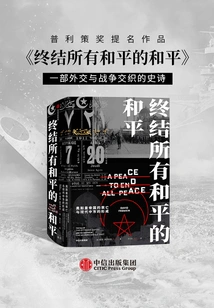
The Peace to End All Peaces: the Fall of the Ottoman Empire and the Making of the Modern Middle East
History终结所有和平的和平:奥斯曼帝国的衰亡与现代中东的形成
(us) David Fromkin
The Middle East, a strategic location in today's world, is also a place of dispute. Wars, religious conflicts, terrorism, intervention by major powers, and ethnic confrontations... Have been taking place on this land in turn over the past 100 years. All of these can be traced back to a series of arrangements and decisions made by major powers such as Britain, France and Russia during and after World War I. Before the outbreak of the First World War, the Ottoman Empire, a great empire that once pointed its troops directly at Vienna, had declined. Most of its territory in Europe was lost, and Egypt, which was nominally part of the empire, became a British vassal. The ambitious British Consul General in Egypt, the Earl of Kitchener, has set out to seek more interests in the Middle East. After the war broke out, the Ottoman Empire joined the Allied Powers led by Germany and fought against the Allied Powers such as Britain, France, and Russia. The Allies did not take this old empire seriously and thought they could defeat it quickly. In 1915, Britain and France launched the Gallipoli Campaign in an attempt to directly capture the Ottoman capital Istanbul. However, the entire war turned into a trench battle that lasted for more than 250 days, and finally ended with the withdrawal of British and French troops. During the war, the British government, seeing no hope of victory, adjusted its Middle East policy. The War Secretary, Earl Kitchener, who led British Middle East policy, sent his subordinate Mark Sykes to negotiate with France and Russia. The three parties secretly reached the "Sykes-Picot Agreement", which roughly divided the three countries' spheres of influence in the Middle East. At the same time, the British government actively supported the rulers of Mecca in launching the Arab Revolt in an attempt to disintegrate the Ottoman Empire from within. At the end of 1916, Lloyd George became the new British Prime Minister. He adopted a more active offensive policy in the Middle East. In less than two years, the British army successively captured Baghdad, Jerusalem and Damascus. In October 1918, the Ottoman Empire was defeated and surrendered. After the First World War, Winston Churchill became the "chief architect" of solutions to the Middle East problem. However, the solution to the Middle East issue is fraught with difficulties. Unrest against British and French rule broke out in many places, and the contradictions between Britain, France, and Russia emerged again. The United States, Italy, Greece and other countries also had to get involved. More importantly, after experiencing the bloody "World War I", the people of Western countries were more eager to recuperate and had no interest in imperialist expansion. In 1922, a series of solutions to the Middle East issue were difficult to come up with. Britain and France forcibly transplanted the Western political system to the Middle East and delineated the borders for the countries in the Middle East without taking into account the local political realities and the demands of the people. The seeds of strife have been sown. The solution that the great powers claimed would bring peace to the Middle East became "the peace to end all peaces."
The Middle East, a strategic location in today's world, is also a place of dispute. Wars, religious conflicts, terrorism, intervention by major powers, and ethnic confrontations... Have been taking place on this land in turn over the past 100 years. All of these can be traced back to a series of arrangements and decisions made by major powers such as Britain, France and Russia during and after World War I. Before the outbreak of the First World War, the Ottoman Empire, a great empire that once pointed its troops directly at Vienna, had declined. Most of its territory in Europe was lost, and Egypt, which was nominally part of the empire, became a British vassal. The ambitious British Consul General in Egypt, the Earl of Kitchener, has set out to seek more interests in the Middle East. After the war broke out, the Ottoman Empire joined the Allied Powers led by Germany and fought against the Allied Powers such as Britain, France, and Russia. The Allies did not take this old empire seriously and thought they could defeat it quickly. In 1915, Britain and France launched the Gallipoli Campaign in an attempt to directly capture the Ottoman capital Istanbul. However, the entire war turned into a trench battle that lasted for more than 250 days, and finally ended with the withdrawal of British and French troops. During the war, the British government, seeing no hope of victory, adjusted its Middle East policy. The War Secretary, Earl Kitchener, who led British Middle East policy, sent his subordinate Mark Sykes to negotiate with France and Russia. The three parties secretly reached the "Sykes-Picot Agreement", which roughly divided the three countries' spheres of influence in the Middle East. At the same time, the British government actively supported the rulers of Mecca in launching the Arab Revolt in an attempt to disintegrate the Ottoman Empire from within. At the end of 1916, Lloyd George became the new British Prime Minister. He adopted a more active offensive policy in the Middle East. In less than two years, the British army successively captured Baghdad, Jerusalem and Damascus. In October 1918, the Ottoman Empire was defeated and surrendered. After the First World War, Winston Churchill became the "chief architect" of solutions to the Middle East problem. However, the solution to the Middle East issue is fraught with difficulties. Unrest against British and French rule broke out in many places, and the contradictions between Britain, France, and Russia emerged again. The United States, Italy, Greece and other countries also had to get involved. More importantly, after experiencing the bloody "World War I", the people of Western countries were more eager to recuperate and had no interest in imperialist expansion. In 1922, a series of solutions to the Middle East issue were difficult to come up with. Britain and France forcibly transplanted the Western political system to the Middle East and delineated the borders for the countries in the Middle East without taking into account the local political realities and the demands of the people. The seeds of strife have been sown. The solution that the great powers claimed would bring peace to the Middle East became "the peace to end all peaces."