Library
Browse and search books
1 novel found
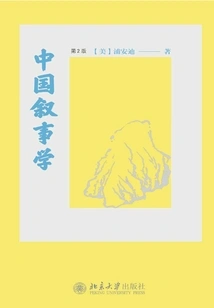
Chinese Narratology (2nd Edition)
Literature中国叙事学(第2版)
(us) Andy Pu
In 1989, at the invitation of Professor Le Daiyun, Professor Pu Andi opened a course titled "Chinese Classical Literature and Narrative Literature Theory" for young teachers and graduate students in the Department of Chinese and the Institute of Comparative Literature at Peking University. The goal of this course is to explore the narrative style of Chinese classical novels from the perspective of comparative literary theory, and to further explain its relationship with narrative literature in other countries around the world. This book is a collection of lecture notes for this course. It was included in the "Peking University Academic Speech Series" and published by our publisher in 1996. Until now, the citation rate and evaluation of this book are relatively high. True to its course objectives, this book considers China's narrative tradition within the context of world literature, and uses this as the entry point for the course, then slowly introduces the representative style of Chinese narrative literature - the "Qishu style" of the Ming and Qing Dynasties, and then conducts a close reading and analysis of representative works of the Qishu style. Readers who are interested in narratology and comparative literature, or who have doubts about the interpretation of works such as "Jin Ping Mei", "Journey to the West", "Water Margin", "Romance of the Three Kingdoms" and "Dream of Red Mansions", I believe they can get wisdom inspiration from this little book, find a way to get started, and do more in-depth exploration.
In 1989, at the invitation of Professor Le Daiyun, Professor Pu Andi opened a course titled "Chinese Classical Literature and Narrative Literature Theory" for young teachers and graduate students in the Department of Chinese and the Institute of Comparative Literature at Peking University. The goal of this course is to explore the narrative style of Chinese classical novels from the perspective of comparative literary theory, and to further explain its relationship with narrative literature in other countries around the world. This book is a collection of lecture notes for this course. It was included in the "Peking University Academic Speech Series" and published by our publisher in 1996. Until now, the citation rate and evaluation of this book are relatively high. True to its course objectives, this book considers China's narrative tradition within the context of world literature, and uses this as the entry point for the course, then slowly introduces the representative style of Chinese narrative literature - the "Qishu style" of the Ming and Qing Dynasties, and then conducts a close reading and analysis of representative works of the Qishu style. Readers who are interested in narratology and comparative literature, or who have doubts about the interpretation of works such as "Jin Ping Mei", "Journey to the West", "Water Margin", "Romance of the Three Kingdoms" and "Dream of Red Mansions", I believe they can get wisdom inspiration from this little book, find a way to get started, and do more in-depth exploration.