Library
Browse and search books
1 novel found
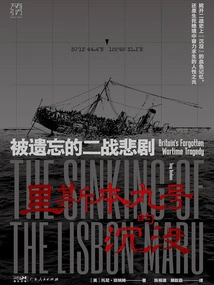
里斯本丸号的沉没
(uk)tony Banham
In October 1942, the Japanese freighter "Lisbon Maru" set sail from Hong Kong carrying nearly 2,000 British prisoners of war and headed for the Japanese military factory. On October 1, the U. S. Submarine USS "Perch" accidentally attacked the ship. The Japanese crew closed the hatch and evacuated, allowing seawater to pour in. In the darkness, the prisoners of war conveyed the news of death in Morse code, and the artillerymen at the stern sang "Tipperary in the Distance" until they were engulfed by the sea water. In the end, more than 800 people were buried in the East China Sea, becoming the most tragic "friendly fire" tragedy in World War II. After the incident, Zhoushan fishermen Shen Agui, Guo Ade and others rescued more than 200 prisoners of war. However, soon after, the survivors were imprisoned again by the Japanese army. The truth of the incident was also covered up for a long time due to the Japanese army's blockade. It was not until the military court tried the captain of the "Lisbon Maru" Shigeru Sueda in 1946 that the truth gradually became known. This book uses survivors' diaries, family letters and fishermen's testimonies to salvage this history that was buried by the war, allowing the struggle and watchfulness of human nature in the waves of the East China Sea to penetrate the fog of time for more than 70 years.
In October 1942, the Japanese freighter "Lisbon Maru" set sail from Hong Kong carrying nearly 2,000 British prisoners of war and headed for the Japanese military factory. On October 1, the U. S. Submarine USS "Perch" accidentally attacked the ship. The Japanese crew closed the hatch and evacuated, allowing seawater to pour in. In the darkness, the prisoners of war conveyed the news of death in Morse code, and the artillerymen at the stern sang "Tipperary in the Distance" until they were engulfed by the sea water. In the end, more than 800 people were buried in the East China Sea, becoming the most tragic "friendly fire" tragedy in World War II. After the incident, Zhoushan fishermen Shen Agui, Guo Ade and others rescued more than 200 prisoners of war. However, soon after, the survivors were imprisoned again by the Japanese army. The truth of the incident was also covered up for a long time due to the Japanese army's blockade. It was not until the military court tried the captain of the "Lisbon Maru" Shigeru Sueda in 1946 that the truth gradually became known. This book uses survivors' diaries, family letters and fishermen's testimonies to salvage this history that was buried by the war, allowing the struggle and watchfulness of human nature in the waves of the East China Sea to penetrate the fog of time for more than 70 years.