Library
Browse and search books
1 novel found
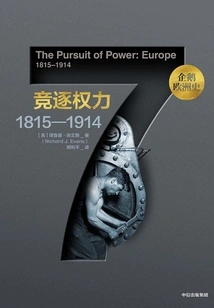
企鹅欧洲史·竞逐权力:1815—1914
(uk)richard Evans
In 1815, Napoleon defeated Waterloo, the Congress of Vienna calmed the situation, and the turbulent years temporarily came to an end until disaster struck in 1914. This was a century of surging waves and bursts of creativity in Europe, and a century of competition for power. For most of the time before 1815, people valued glory and honor. In the 19th century, people valued power more and more. After the collapse of the old system, various forces are eager to acquire and exercise power in order to put their views into practice. Nations compete for world power, governments pursue imperial power, revolutionaries plot to seize power, political parties compete for governing power, financiers and industrialists seek economic power, civilians long for democracy, women advocate for women's rights, the working class strives for political power, nations long for autonomy, artists challenge the authority of the academy, psychiatrists want to use the power of science to control human nature, and engineers want to prove that humans have power over nature. Country and country, people and people, people and nature... Everything is no longer what it used to be. The competition for power brought Europeans to the top of civilization and looked down upon the world, which also led to a war that destroyed Europe. In 1914, lights across Europe were going out one by one, and it would still take time to light them up.
In 1815, Napoleon defeated Waterloo, the Congress of Vienna calmed the situation, and the turbulent years temporarily came to an end until disaster struck in 1914. This was a century of surging waves and bursts of creativity in Europe, and a century of competition for power. For most of the time before 1815, people valued glory and honor. In the 19th century, people valued power more and more. After the collapse of the old system, various forces are eager to acquire and exercise power in order to put their views into practice. Nations compete for world power, governments pursue imperial power, revolutionaries plot to seize power, political parties compete for governing power, financiers and industrialists seek economic power, civilians long for democracy, women advocate for women's rights, the working class strives for political power, nations long for autonomy, artists challenge the authority of the academy, psychiatrists want to use the power of science to control human nature, and engineers want to prove that humans have power over nature. Country and country, people and people, people and nature... Everything is no longer what it used to be. The competition for power brought Europeans to the top of civilization and looked down upon the world, which also led to a war that destroyed Europe. In 1914, lights across Europe were going out one by one, and it would still take time to light them up.