Library
Browse and search books
1 novel found
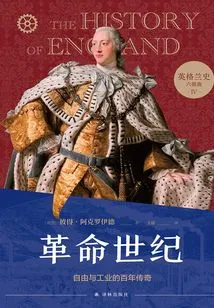
革命世纪:自由与工业的百年传奇(英格兰史六部曲4)
(uk) Peter Ackroyd
"The Six-Part History of England" is the representative work of the historical writer Peter Ackroyd, which includes six volumes: "The Founding of the Empire", "The Tudor Dynasty", "The Age of Rebellion", "The Revolutionary Century", "The King of the World" and "Revolution". It writes the historical process of this legendary country in a magnificent way: how this once closed island country gradually turned into an empire with territories all over the world through religious reform, parliamentary system, technological and ideological revolution, as well as trade and colonial expansion; and how it repositioned itself in the new post-war order as the empire declined today and continued to influence the world. Ackroyd's writing conveys his deep attachment to this country that once stood at the apex of human civilization. It not only creates a history of struggle and innovation for the rise of a great power, but also creates a glorious national epic. "The Revolutionary Century" is the fourth volume of Ackroyd's "Six Parts of History of England", covering the historical period starting from the accession of William of Orange to the endless war between Britain and France and ending with Napoleon's defeat at Waterloo. This volume focuses on the century-old revolutionary saga that fundamentally changed England. During this period, England had banks and stock exchanges, Parliament replaced the king as the real governing body, newspapers and novels began to flourish, and unprecedented industrial and technological innovations irreversibly transformed England into a country full of soot, steel, and coal.
"The Six-Part History of England" is the representative work of the historical writer Peter Ackroyd, which includes six volumes: "The Founding of the Empire", "The Tudor Dynasty", "The Age of Rebellion", "The Revolutionary Century", "The King of the World" and "Revolution". It writes the historical process of this legendary country in a magnificent way: how this once closed island country gradually turned into an empire with territories all over the world through religious reform, parliamentary system, technological and ideological revolution, as well as trade and colonial expansion; and how it repositioned itself in the new post-war order as the empire declined today and continued to influence the world. Ackroyd's writing conveys his deep attachment to this country that once stood at the apex of human civilization. It not only creates a history of struggle and innovation for the rise of a great power, but also creates a glorious national epic. "The Revolutionary Century" is the fourth volume of Ackroyd's "Six Parts of History of England", covering the historical period starting from the accession of William of Orange to the endless war between Britain and France and ending with Napoleon's defeat at Waterloo. This volume focuses on the century-old revolutionary saga that fundamentally changed England. During this period, England had banks and stock exchanges, Parliament replaced the king as the real governing body, newspapers and novels began to flourish, and unprecedented industrial and technological innovations irreversibly transformed England into a country full of soot, steel, and coal.