Library
Browse and search books
5 novels found
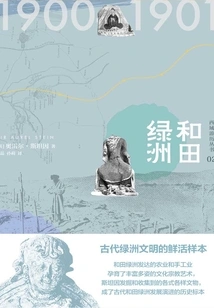
西域游历丛书02:和田绿洲(知新)
(uk) Orel Stein
From 1900 to 1901, 1906 to 1908, and 1913 to 1916, Aurel Stein, a British Hungarian, successively went to my country's Xinjiang and Hexi regions to conduct archaeological expeditions and published archaeological reports on these three expeditions: "Ancient Hotan - A Detailed Report on Archaeological Excavations in Xinjiang, China", "Archaeological Map of the Western Regions", and "Archaeological Map of the Heart of Asia". These three works are Stein's masterpieces. They comprehensively describe the ruins and relics of the Han and Tang Dynasties in Xinjiang, my country, as well as the treasures of the Dunhuang Grottoes and the Buddhist art of the Thousand Buddha Caves. They reveal the mystery of the ancient civilization in the region and the exchange and integration of Chinese and Western civilizations. The Travels in the Western Regions series integrates the archaeological data of Stein's three expeditions to western China and integrates and revise the above-mentioned archaeological reports so that the public can more easily understand the process and results. There are 15 volumes in the series. This volume is from "Ancient Hotan - A Detailed Report on Archaeological Excavations in Xinjiang, China": The developed agriculture and handicraft industry in the Hotan Oasis gave birth to rich and colorful culture, religion and art. The various cultural relics excavated and collected by Stein have become historical specimens of the development and evolution of the ancient Hotan Oasis.
From 1900 to 1901, 1906 to 1908, and 1913 to 1916, Aurel Stein, a British Hungarian, successively went to my country's Xinjiang and Hexi regions to conduct archaeological expeditions and published archaeological reports on these three expeditions: "Ancient Hotan - A Detailed Report on Archaeological Excavations in Xinjiang, China", "Archaeological Map of the Western Regions", and "Archaeological Map of the Heart of Asia". These three works are Stein's masterpieces. They comprehensively describe the ruins and relics of the Han and Tang Dynasties in Xinjiang, my country, as well as the treasures of the Dunhuang Grottoes and the Buddhist art of the Thousand Buddha Caves. They reveal the mystery of the ancient civilization in the region and the exchange and integration of Chinese and Western civilizations. The Travels in the Western Regions series integrates the archaeological data of Stein's three expeditions to western China and integrates and revise the above-mentioned archaeological reports so that the public can more easily understand the process and results. There are 15 volumes in the series. This volume is from "Ancient Hotan - A Detailed Report on Archaeological Excavations in Xinjiang, China": The developed agriculture and handicraft industry in the Hotan Oasis gave birth to rich and colorful culture, religion and art. The various cultural relics excavated and collected by Stein have become historical specimens of the development and evolution of the ancient Hotan Oasis.
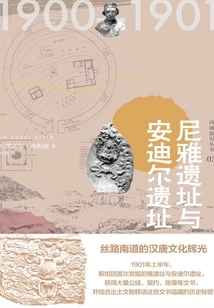
西域游历丛书03:尼雅遗址与安迪尔遗址(知新)
(uk) Orel Stein
From 1900 to 1901, 1906 to 1908, and 1913 to 1916, Aurel Stein, a British Hungarian, successively went to my country's Xinjiang and Hexi regions to conduct archaeological expeditions and published archaeological reports on these three expeditions: "Ancient Hotan - A Detailed Report on Archaeological Excavations in Xinjiang, China", "Archaeological Map of the Western Regions", and "Archaeological Map of the Heart of Asia". These three works are Stein's masterpieces. They comprehensively describe the ruins and relics of the Han and Tang Dynasties in Xinjiang, my country, as well as the treasures of the Dunhuang Grottoes and the Buddhist art of the Thousand Buddha Caves. They reveal the mystery of the ancient civilization in the region and the exchange and integration of Chinese and Western civilizations. The Travels in the Western Regions series integrates the archaeological data of Stein's three expeditions to western China and integrates and revise the above-mentioned archaeological reports so that the public can more easily understand the process and results. There are 15 volumes in the series. This volume is from "Ancient Hotan - A Detailed Report on Archaeological Excavations in Xinjiang, China": In the first half of 1901, Stein excavated the Niya and Andil ruins for the first time and obtained a large number of documents in Khalur, Chinese and Brahmi, and combined the unearthed cultural relics to interpret the historical secrets contained in these documents.
From 1900 to 1901, 1906 to 1908, and 1913 to 1916, Aurel Stein, a British Hungarian, successively went to my country's Xinjiang and Hexi regions to conduct archaeological expeditions and published archaeological reports on these three expeditions: "Ancient Hotan - A Detailed Report on Archaeological Excavations in Xinjiang, China", "Archaeological Map of the Western Regions", and "Archaeological Map of the Heart of Asia". These three works are Stein's masterpieces. They comprehensively describe the ruins and relics of the Han and Tang Dynasties in Xinjiang, my country, as well as the treasures of the Dunhuang Grottoes and the Buddhist art of the Thousand Buddha Caves. They reveal the mystery of the ancient civilization in the region and the exchange and integration of Chinese and Western civilizations. The Travels in the Western Regions series integrates the archaeological data of Stein's three expeditions to western China and integrates and revise the above-mentioned archaeological reports so that the public can more easily understand the process and results. There are 15 volumes in the series. This volume is from "Ancient Hotan - A Detailed Report on Archaeological Excavations in Xinjiang, China": In the first half of 1901, Stein excavated the Niya and Andil ruins for the first time and obtained a large number of documents in Khalur, Chinese and Brahmi, and combined the unearthed cultural relics to interpret the historical secrets contained in these documents.
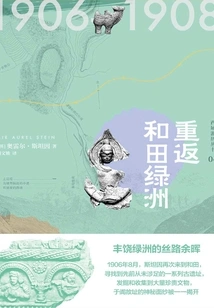
西域游历丛书04:重返和田绿洲(知新)
(uk) Orel Stein
From 1900 to 1901, 1906 to 1908, and 1913 to 1916, Aurel Stein, a British Hungarian, successively went to my country's Xinjiang and Hexi regions to conduct archaeological expeditions and published archaeological reports on these three expeditions: "Ancient Hotan - A Detailed Report on Archaeological Excavations in Xinjiang, China", "Archaeological Map of the Western Regions", and "Archaeological Map of the Heart of Asia". These three works are Stein's masterpieces. They comprehensively describe the ruins and relics of the Han and Tang Dynasties in Xinjiang, my country, as well as the treasures of the Dunhuang Grottoes and the Buddhist art of the Thousand Buddha Caves. They reveal the mystery of the ancient civilization in the region and the exchange and integration of Chinese and Western civilizations. The Travels in the Western Regions series integrates the archaeological data of Stein's three expeditions to western China and integrates and revise the above-mentioned archaeological reports so that the public can more easily understand the process and results. There are 15 volumes in the series. This volume is from "Illustrated Archeology of the Western Regions": In August 1906, Stein came to Hotan again and found a series of ancient ruins that he had never set foot in before. He excavated and collected a large number of precious cultural relics, and the mysterious veil of the former Khotan site was unveiled one by one.
From 1900 to 1901, 1906 to 1908, and 1913 to 1916, Aurel Stein, a British Hungarian, successively went to my country's Xinjiang and Hexi regions to conduct archaeological expeditions and published archaeological reports on these three expeditions: "Ancient Hotan - A Detailed Report on Archaeological Excavations in Xinjiang, China", "Archaeological Map of the Western Regions", and "Archaeological Map of the Heart of Asia". These three works are Stein's masterpieces. They comprehensively describe the ruins and relics of the Han and Tang Dynasties in Xinjiang, my country, as well as the treasures of the Dunhuang Grottoes and the Buddhist art of the Thousand Buddha Caves. They reveal the mystery of the ancient civilization in the region and the exchange and integration of Chinese and Western civilizations. The Travels in the Western Regions series integrates the archaeological data of Stein's three expeditions to western China and integrates and revise the above-mentioned archaeological reports so that the public can more easily understand the process and results. There are 15 volumes in the series. This volume is from "Illustrated Archeology of the Western Regions": In August 1906, Stein came to Hotan again and found a series of ancient ruins that he had never set foot in before. He excavated and collected a large number of precious cultural relics, and the mysterious veil of the former Khotan site was unveiled one by one.
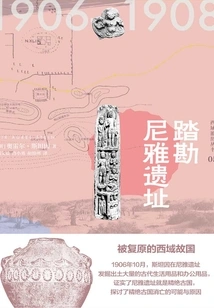
西域游历丛书05:踏勘尼雅遗址(知新)
(uk) Orel Stein
From 1900 to 1901, 1906 to 1908, and 1913 to 1916, Aurel Stein, a British Hungarian, successively went to my country's Xinjiang and Hexi regions to conduct archaeological expeditions and published archaeological reports on these three expeditions: "Ancient Hotan - A Detailed Report on Archaeological Excavations in Xinjiang, China", "Archaeological Map of the Western Regions", and "Archaeological Map of the Heart of Asia". These three works are Stein's masterpieces. They comprehensively describe the ruins and relics of the Han and Tang Dynasties in Xinjiang, my country, as well as the treasures of the Dunhuang Grottoes and the Buddhist art of the Thousand Buddha Caves. They reveal the mystery of the ancient civilization in the region and the exchange and integration of Chinese and Western civilizations. The Travels in the Western Regions series integrates the archaeological data of Stein's three expeditions to western China and integrates and revise the above-mentioned archaeological reports so that the public can more easily understand the process and results. There are 15 volumes in the series. This volume is from "Archaeological Records of the Western Regions": In October 1906, Stein unearthed a large number of ancient daily necessities and office supplies at the Niya ruins. He accidentally unearthed documents in Khalur script, which confirmed that the Niya ruins were the ancient country of Jingjue and explored the possibility and reasons for the demise of the ancient country of Jingjue.
From 1900 to 1901, 1906 to 1908, and 1913 to 1916, Aurel Stein, a British Hungarian, successively went to my country's Xinjiang and Hexi regions to conduct archaeological expeditions and published archaeological reports on these three expeditions: "Ancient Hotan - A Detailed Report on Archaeological Excavations in Xinjiang, China", "Archaeological Map of the Western Regions", and "Archaeological Map of the Heart of Asia". These three works are Stein's masterpieces. They comprehensively describe the ruins and relics of the Han and Tang Dynasties in Xinjiang, my country, as well as the treasures of the Dunhuang Grottoes and the Buddhist art of the Thousand Buddha Caves. They reveal the mystery of the ancient civilization in the region and the exchange and integration of Chinese and Western civilizations. The Travels in the Western Regions series integrates the archaeological data of Stein's three expeditions to western China and integrates and revise the above-mentioned archaeological reports so that the public can more easily understand the process and results. There are 15 volumes in the series. This volume is from "Archaeological Records of the Western Regions": In October 1906, Stein unearthed a large number of ancient daily necessities and office supplies at the Niya ruins. He accidentally unearthed documents in Khalur script, which confirmed that the Niya ruins were the ancient country of Jingjue and explored the possibility and reasons for the demise of the ancient country of Jingjue.
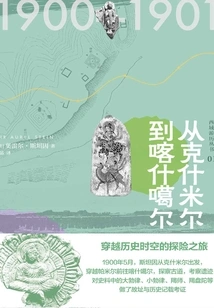
西域游历丛书01:从克什米尔到喀什噶尔(知新)
(uk) Orel Stein
From 1900 to 1901, 1906 to 1908, and 1913 to 1916, Aurel Stein, a British Hungarian, successively went to my country's Xinjiang and Hexi regions to conduct archaeological expeditions and published archaeological reports on these three expeditions: "Ancient Hotan - A Detailed Report on Archaeological Excavations in Xinjiang, China", "Archaeological Map of the Western Regions", and "Archaeological Map of the Heart of Asia". These three works are Stein's masterpieces. They comprehensively describe the ruins and relics of the Han and Tang Dynasties in Xinjiang, my country, as well as the treasures of the Dunhuang Grottoes and the Buddhist art of the Thousand Buddha Caves. They reveal the mystery of the ancient civilization in the region and the exchange and integration of Chinese and Western civilizations. The Travels in the Western Regions series integrates the archaeological data of Stein's three expeditions to western China and integrates and revise the above-mentioned archaeological reports so that the public can more easily understand the process and results. There are 15 volumes in the series. This volume is from "Ancient Hotan - A Detailed Report on Archaeological Excavations in Xinjiang, China": In May 1900, Stein set out from Kashmir and crossed the Pamirs to Kashgar. He explored ancient roads and relics, and made research on the historical sites and historical records of Da Bolu, Xiao Bolu, Jie Shi, Jiepan Tuo, etc. In historical materials.
From 1900 to 1901, 1906 to 1908, and 1913 to 1916, Aurel Stein, a British Hungarian, successively went to my country's Xinjiang and Hexi regions to conduct archaeological expeditions and published archaeological reports on these three expeditions: "Ancient Hotan - A Detailed Report on Archaeological Excavations in Xinjiang, China", "Archaeological Map of the Western Regions", and "Archaeological Map of the Heart of Asia". These three works are Stein's masterpieces. They comprehensively describe the ruins and relics of the Han and Tang Dynasties in Xinjiang, my country, as well as the treasures of the Dunhuang Grottoes and the Buddhist art of the Thousand Buddha Caves. They reveal the mystery of the ancient civilization in the region and the exchange and integration of Chinese and Western civilizations. The Travels in the Western Regions series integrates the archaeological data of Stein's three expeditions to western China and integrates and revise the above-mentioned archaeological reports so that the public can more easily understand the process and results. There are 15 volumes in the series. This volume is from "Ancient Hotan - A Detailed Report on Archaeological Excavations in Xinjiang, China": In May 1900, Stein set out from Kashmir and crossed the Pamirs to Kashgar. He explored ancient roads and relics, and made research on the historical sites and historical records of Da Bolu, Xiao Bolu, Jie Shi, Jiepan Tuo, etc. In historical materials.