Library
Browse and search books
1 novel found
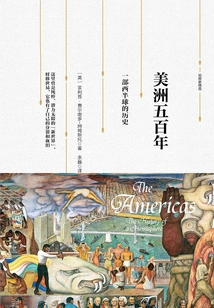
美洲五百年:一部西半球的历史
(uk) Felipe Fernando-armesto
In the author's opinion, the American independence wave from the late 18th to the 19th century brought about the original "split" of the Americas. The American Revolution of Independence was successful, and it quickly established a unified and democratic national system and began to expand into its western interior. However, many Latin American countries fell into dictatorship, secession, civil war, or economic stagnation after independence. When the United States gradually rose in the 19th century, it began to seek hegemony in the Americas, and then became the world's leading force in the 20th century. Regrettably, Latin America has rarely been able to enjoy the righteous deeds of the United States on the world stage since World War I. The general background behind the revolutionary causes of Che Guevara and Castro and Colombia's drug war that we are familiar with is the 20th century America where the hegemony of the United States and the struggle of Latin America went hand in hand.
In the author's opinion, the American independence wave from the late 18th to the 19th century brought about the original "split" of the Americas. The American Revolution of Independence was successful, and it quickly established a unified and democratic national system and began to expand into its western interior. However, many Latin American countries fell into dictatorship, secession, civil war, or economic stagnation after independence. When the United States gradually rose in the 19th century, it began to seek hegemony in the Americas, and then became the world's leading force in the 20th century. Regrettably, Latin America has rarely been able to enjoy the righteous deeds of the United States on the world stage since World War I. The general background behind the revolutionary causes of Che Guevara and Castro and Colombia's drug war that we are familiar with is the 20th century America where the hegemony of the United States and the struggle of Latin America went hand in hand.