Library
Browse and search novels
2 novels found

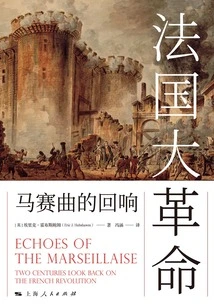
法国大革命:马赛曲的回响
(uk) Eric Hobsbawm
This book was written on the occasion of the bicentenary of the French Revolution and was first published in 1990. Huo explores the references and interpretations of the Revolution by different people over two centuries, from bourgeois liberals to communists, explaining how they applied the Revolution model to their own times and causes, and guiding readers out of the fog of "revisionist" historiography. No matter how historians explain it, it is undeniable that the French Revolution made the people realize that they could truly change the course of history through their own participation. It has profoundly changed the world, and continues to influence the present and future of mankind.

资本的年代:1848—1875
(uk) Eric Hobsbawm
The age of capital is a progressive drama starring the bourgeoisie. New technologies such as trains and steamships have brought the scene from Europe to the world. The protagonists in simple clothes confidently and calmly performed this era of victory that ignored the ups and downs but witnessed the grandeur. After a short and exciting prelude to revolution, the peaceful and steady triumph of capitalism echoed around the world. In an era of great economic prosperity, the winners who controlled capital and technology dominated the losers who clung to tradition. A large number of farmers moved away from the land that had been reduced to commodities and moved to cities and industries, slowly condensing their worker consciousness in the boundless environment; the respected bourgeoisie, in its solid family fortress, created an immortal legend of liberalism. The theory of evolution leads scientific advancement, while realism suppresses artistic creativity... In 1875, an unprecedentedly long Great Depression quietly slipped into the age of empire.