Library
Browse and search books
3 novels found

黑暗年代:阿尔弗雷德大帝与公元5~10世纪的早期英格兰
(uk) Ed West
The history of civilization in ancient Britain can be traced back thousands of years. Since the beginning of its discovery, the British Isles has attracted migration from various ethnic groups. Before the Romans, there were about nine waves of immigrants who crossed the sea to reach the British Isles. In the mid-1st century AD, the Romans occupied most of the island of Britain and established the province of Britannia. In 410 AD, the barbarians invaded and the Roman army withdrew from Britain. The Anglo-Saxons from Germany immigrated here and established many kingdoms. Since then, they have continued to conquer. In 871 AD, three of the four kingdoms in England were occupied by the Vikings. This was a group of invaders from Scandinavia. They were brutal, rude and invincible, bringing panic to all European countries in the early Middle Ages. At this time, the future of the remaining kingdom of Wessex was already very slim. However, in less than 10 years, Alfred - the only great emperor in English history - expelled the Vikings from half of England, and his descendants completed the unification of England in the following years. It was also during this period that Alfred promulgated England's first national code of law, established an education system, and built many cities. England began to take shape as a nation-state.
The history of civilization in ancient Britain can be traced back thousands of years. Since the beginning of its discovery, the British Isles has attracted migration from various ethnic groups. Before the Romans, there were about nine waves of immigrants who crossed the sea to reach the British Isles. In the mid-1st century AD, the Romans occupied most of the island of Britain and established the province of Britannia. In 410 AD, the barbarians invaded and the Roman army withdrew from Britain. The Anglo-Saxons from Germany immigrated here and established many kingdoms. Since then, they have continued to conquer. In 871 AD, three of the four kingdoms in England were occupied by the Vikings. This was a group of invaders from Scandinavia. They were brutal, rude and invincible, bringing panic to all European countries in the early Middle Ages. At this time, the future of the remaining kingdom of Wessex was already very slim. However, in less than 10 years, Alfred - the only great emperor in English history - expelled the Vikings from half of England, and his descendants completed the unification of England in the following years. It was also during this period that Alfred promulgated England's first national code of law, established an education system, and built many cities. England began to take shape as a nation-state.
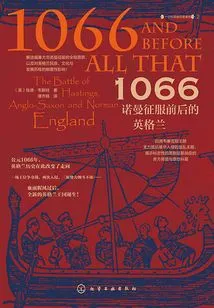
1066:诺曼征服前后的英格兰
(uk) Ed West
This book traces the origin of this disaster through the famous Battle of Hastings in 1066: from Æthelred II to Swayne the Bearded and then to Canute the Great, due to repeated invasions by the Vikings, the throne of England has always been in a state of contention. However, Edward the Confessor died without heirs, triggering a war for the throne among the Anglo-Saxons, Norwegians, and Normans. The result was a bloody end to the House of Wessex at Hastings by Duke William of Normandy, bringing about the Norman Conquest. This book also focuses on the various actions of the Normans, as outsiders, on the British soil after the change of dynasty and the impact they had on later generations, explaining how they permanently changed the history and language of England.
This book traces the origin of this disaster through the famous Battle of Hastings in 1066: from Æthelred II to Swayne the Bearded and then to Canute the Great, due to repeated invasions by the Vikings, the throne of England has always been in a state of contention. However, Edward the Confessor died without heirs, triggering a war for the throne among the Anglo-Saxons, Norwegians, and Normans. The result was a bloody end to the House of Wessex at Hastings by Duke William of Normandy, bringing about the Norman Conquest. This book also focuses on the various actions of the Normans, as outsiders, on the British soil after the change of dynasty and the impact they had on later generations, explaining how they permanently changed the history and language of England.
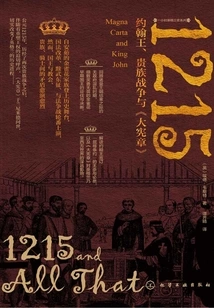
1215:约翰王、贵族战争与《大宪章》
(uk) Ed West
This book reviews the century-old tumultuous history of the early Plantagenet Dynasty by tracing the background, key factors, and main characters of the signing of the Magna Carta. From Henry II and the Lionheart to King John and Henry III, in addition to introducing the lives and major events of each king, it also analyzes their different ruling styles and relationships with the church, thereby illustrating how the conflicts between the king and the nobles developed, intensified, and finally broke out. This book also explains the later influence of Magna Carta, aiming to emphasize why Magna Carta became the pioneer of the Western constitutional system and fundamentally changed the history of England and the English-speaking nation.
This book reviews the century-old tumultuous history of the early Plantagenet Dynasty by tracing the background, key factors, and main characters of the signing of the Magna Carta. From Henry II and the Lionheart to King John and Henry III, in addition to introducing the lives and major events of each king, it also analyzes their different ruling styles and relationships with the church, thereby illustrating how the conflicts between the king and the nobles developed, intensified, and finally broke out. This book also explains the later influence of Magna Carta, aiming to emphasize why Magna Carta became the pioneer of the Western constitutional system and fundamentally changed the history of England and the English-speaking nation.