Library
Browse and search books
1 novel found
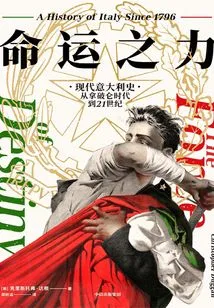
命运之力:现代意大利史,从拿破仑时代到21世纪
(uk) Christopher Duggan
In 1789, the French Revolution brought modern nationalism to the world. The Italian peninsula, which is close to France, immediately felt this trend. In 1796, in order to deal with Austria's allies in Italy, Napoleon led his army into the peninsula. Since then, the construction of the Italian nation-state has become a priority issue for the Italian intellectual and political elites. In 1802, Napoleon established the Italian Republic in the northern part of the peninsula. But France's real purpose was not to help Italy build a nation, but to plunder Italy's wealth. After the fall of Napoleon in 1815, Italy returned to its fragmented state. However, the restoration of the old forces could not stop the popularity of Italian nationalism. The Italian elite ultimately chose the Kingdom of Piedmont-Sardinia to lead the movement for Italian unification. In 1861, with the help of Napoleon III and after a series of wars, the Kingdom of Italy was proclaimed. However, Italy only achieved political unity, not spiritual unity. After World War II, Italy made an economic leap by joining the European Community. Today, it is a member of the G7 club of developed countries and owns a number of internationally renowned companies such as Fiat. But at the same time, the Mafia is still active in the south, the Northern League, a political party that advocates secession, is gaining momentum, people are beginning to question unification, and Italy is still an unfinished nation-state.
In 1789, the French Revolution brought modern nationalism to the world. The Italian peninsula, which is close to France, immediately felt this trend. In 1796, in order to deal with Austria's allies in Italy, Napoleon led his army into the peninsula. Since then, the construction of the Italian nation-state has become a priority issue for the Italian intellectual and political elites. In 1802, Napoleon established the Italian Republic in the northern part of the peninsula. But France's real purpose was not to help Italy build a nation, but to plunder Italy's wealth. After the fall of Napoleon in 1815, Italy returned to its fragmented state. However, the restoration of the old forces could not stop the popularity of Italian nationalism. The Italian elite ultimately chose the Kingdom of Piedmont-Sardinia to lead the movement for Italian unification. In 1861, with the help of Napoleon III and after a series of wars, the Kingdom of Italy was proclaimed. However, Italy only achieved political unity, not spiritual unity. After World War II, Italy made an economic leap by joining the European Community. Today, it is a member of the G7 club of developed countries and owns a number of internationally renowned companies such as Fiat. But at the same time, the Mafia is still active in the south, the Northern League, a political party that advocates secession, is gaining momentum, people are beginning to question unification, and Italy is still an unfinished nation-state.