Library
Browse and search books
1 novel found
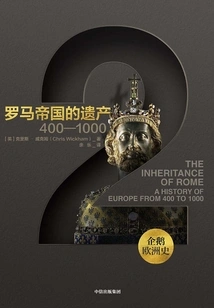
企鹅欧洲史·罗马帝国的遗产:400—1000
(uk) Chris Wickham
Some people say that the years 400 to 1000 AD were like a barbaric sea of darkness. The achievements of the ancient world were just a glimmer of light on the other side of the sea, and the fall of the Western Roman Empire in the 5th century was a fundamental failure. However, it is time to revisit the early Middle Ages, which has been shrouded in misunderstanding and myth. In 400 AD, the Roman Empire ruled western and southern Europe, as well as the Mediterranean region, and had no rivals in the north. No one thought at the time that in less than a hundred years, this situation would end in the West. In the 5th century, the Western Roman Empire disintegrated, but the Roman model and spirit continued to operate in the kingdom. In the 7th century, the Eastern Roman Empire struggled to survive in the face of Arab conquests and embarked on a more militarized track than the West. In the 8th and 9th centuries, Charlemagne and his successors brought morality into politics. In the 10th century, the Carolingian world in the West came to an end, the Caliphate in the East collapsed, and the Byzantine Empire began a century of military glory. At the same time, in the north, the Danish, Polish, Bohemian, and Russian regimes arose. From Ireland to Constantinople, from the Baltic to the Mediterranean, Goths, Franks, Vandals, Arabs, Saxons, and Vikings responded to the legacy of the Roman Empire in disparate communities. These six centuries of change and turmoil created a Europe that was completely different from the classical period.
Some people say that the years 400 to 1000 AD were like a barbaric sea of darkness. The achievements of the ancient world were just a glimmer of light on the other side of the sea, and the fall of the Western Roman Empire in the 5th century was a fundamental failure. However, it is time to revisit the early Middle Ages, which has been shrouded in misunderstanding and myth. In 400 AD, the Roman Empire ruled western and southern Europe, as well as the Mediterranean region, and had no rivals in the north. No one thought at the time that in less than a hundred years, this situation would end in the West. In the 5th century, the Western Roman Empire disintegrated, but the Roman model and spirit continued to operate in the kingdom. In the 7th century, the Eastern Roman Empire struggled to survive in the face of Arab conquests and embarked on a more militarized track than the West. In the 8th and 9th centuries, Charlemagne and his successors brought morality into politics. In the 10th century, the Carolingian world in the West came to an end, the Caliphate in the East collapsed, and the Byzantine Empire began a century of military glory. At the same time, in the north, the Danish, Polish, Bohemian, and Russian regimes arose. From Ireland to Constantinople, from the Baltic to the Mediterranean, Goths, Franks, Vandals, Arabs, Saxons, and Vikings responded to the legacy of the Roman Empire in disparate communities. These six centuries of change and turmoil created a Europe that was completely different from the classical period.