Library
Browse and search books
7 novels found
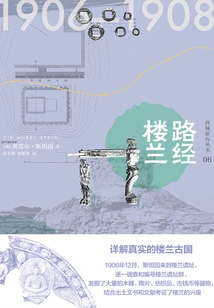
西域游历丛书06:路经楼兰(知新)
(uk) Aurel Stein
From 1900 to 1901, 1906 to 1908, and 1913 to 1916, Aurel Stein, a British Hungarian, successively went to my country's Xinjiang and Hexi regions to conduct archaeological expeditions and published archaeological reports on these three expeditions: "Ancient Hotan - A Detailed Report on Archaeological Excavations in Xinjiang, China", "Archaeological Map of the Western Regions", and "Archaeological Map of the Heart of Asia". These three works are Stein's masterpieces. They comprehensively describe the ruins and relics of the Han and Tang Dynasties in Xinjiang, my country, as well as the treasures of the Dunhuang Grottoes and the Buddhist art of the Thousand Buddha Caves. They reveal the mystery of the ancient civilization in the region and the exchange and integration of Chinese and Western civilizations. The Travels in the Western Regions series integrates the archaeological data of Stein's three expeditions to western China and integrates and revise the above-mentioned archaeological reports so that the public can more easily understand the process and results. There are 15 volumes in the series. This volume is from "Illustrated Archaeological Records of the Western Regions": In December 1906, Stein came to the Loulan ruins, investigated and numbered the Loulan ruins one by one, and unearthed a large number of wood carvings, pottery pieces, textiles, ancient coins and other artifacts. He combined the large number of unearthed documents and documents to verify the rise and fall of Loulan.
From 1900 to 1901, 1906 to 1908, and 1913 to 1916, Aurel Stein, a British Hungarian, successively went to my country's Xinjiang and Hexi regions to conduct archaeological expeditions and published archaeological reports on these three expeditions: "Ancient Hotan - A Detailed Report on Archaeological Excavations in Xinjiang, China", "Archaeological Map of the Western Regions", and "Archaeological Map of the Heart of Asia". These three works are Stein's masterpieces. They comprehensively describe the ruins and relics of the Han and Tang Dynasties in Xinjiang, my country, as well as the treasures of the Dunhuang Grottoes and the Buddhist art of the Thousand Buddha Caves. They reveal the mystery of the ancient civilization in the region and the exchange and integration of Chinese and Western civilizations. The Travels in the Western Regions series integrates the archaeological data of Stein's three expeditions to western China and integrates and revise the above-mentioned archaeological reports so that the public can more easily understand the process and results. There are 15 volumes in the series. This volume is from "Illustrated Archaeological Records of the Western Regions": In December 1906, Stein came to the Loulan ruins, investigated and numbered the Loulan ruins one by one, and unearthed a large number of wood carvings, pottery pieces, textiles, ancient coins and other artifacts. He combined the large number of unearthed documents and documents to verify the rise and fall of Loulan.
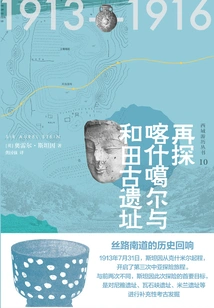
Western Region Travel Series 10: Re-exploring the Ancient Ruins of Kashgar and Hotan (new Knowledge)
History西域游历丛书10:再探喀什噶尔与和田古遗址(知新)
(uk) Aurel Stein
From 1900 to 1901, 1906 to 1908, and 1913 to 1916, Aurel Stein, a British Hungarian, successively went to my country's Xinjiang and Hexi regions to conduct archaeological expeditions and published archaeological reports on these three expeditions: "Ancient Hotan - A Detailed Report on Archaeological Excavations in Xinjiang, China", "Archaeological Map of the Western Regions", and "Archaeological Map of the Heart of Asia". These three works are Stein's masterpieces. They comprehensively describe the ruins and relics of the Han and Tang Dynasties in Xinjiang, my country, as well as the treasures of the Dunhuang Grottoes and the Buddhist art of the Thousand Buddha Caves. They reveal the mystery of the ancient civilization in the region and the exchange and integration of Chinese and Western civilizations. The Travels in the Western Regions series integrates the archaeological data of Stein's three expeditions to western China and integrates and revise the above-mentioned archaeological reports so that the public can more easily understand the process and results. There are 15 volumes in the series. This volume is from "Archaeological Records of the Heart of Asia": On July 31, 1913, Stein set off from Kashmir and embarked on his third expedition to Central Asia. Different from the previous two times, Stein's primary goal of this expedition is to conduct supplementary archaeological excavations at the Niya ruins, Washixia ruins, Milan ruins, etc.
From 1900 to 1901, 1906 to 1908, and 1913 to 1916, Aurel Stein, a British Hungarian, successively went to my country's Xinjiang and Hexi regions to conduct archaeological expeditions and published archaeological reports on these three expeditions: "Ancient Hotan - A Detailed Report on Archaeological Excavations in Xinjiang, China", "Archaeological Map of the Western Regions", and "Archaeological Map of the Heart of Asia". These three works are Stein's masterpieces. They comprehensively describe the ruins and relics of the Han and Tang Dynasties in Xinjiang, my country, as well as the treasures of the Dunhuang Grottoes and the Buddhist art of the Thousand Buddha Caves. They reveal the mystery of the ancient civilization in the region and the exchange and integration of Chinese and Western civilizations. The Travels in the Western Regions series integrates the archaeological data of Stein's three expeditions to western China and integrates and revise the above-mentioned archaeological reports so that the public can more easily understand the process and results. There are 15 volumes in the series. This volume is from "Archaeological Records of the Heart of Asia": On July 31, 1913, Stein set off from Kashmir and embarked on his third expedition to Central Asia. Different from the previous two times, Stein's primary goal of this expedition is to conduct supplementary archaeological excavations at the Niya ruins, Washixia ruins, Milan ruins, etc.
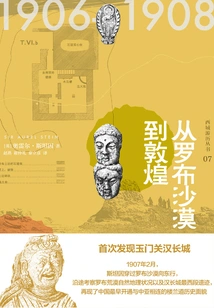
西域游历丛书07:从罗布沙漠到敦煌(知新)
(uk) Aurel Stein
From 1900 to 1901, 1906 to 1908, and 1913 to 1916, Aurel Stein, a British Hungarian, successively went to my country's Xinjiang and Hexi regions to conduct archaeological expeditions and published archaeological reports on these three expeditions: "Ancient Hotan - A Detailed Report on Archaeological Excavations in Xinjiang, China", "Archaeological Map of the Western Regions", and "Archaeological Map of the Heart of Asia". These three works are Stein's masterpieces. They comprehensively describe the ruins and relics of the Han and Tang Dynasties in Xinjiang, my country, as well as the treasures of the Dunhuang Grottoes and the Buddhist art of the Thousand Buddha Caves. They reveal the mystery of the ancient civilization in the region and the exchange and integration of Chinese and Western civilizations. The Travels in the Western Regions series integrates the archaeological data of Stein's three expeditions to western China and integrates and revise the above-mentioned archaeological reports so that the public can more easily understand the process and results. There are 15 volumes in the series. This volume is from "Illustrated Archeology of the Western Regions": In February 1907, Stein traveled eastward through the Lobu Desert. Along the way, he inspected the natural geographical conditions of the Lobu Desert that separates the Tarim Basin from the Shule River and the remains of the westernmost section of the Great Wall of the Han Dynasty, recreating the historical appearance of China's earliest Loulan Road connecting to Central Asia.
From 1900 to 1901, 1906 to 1908, and 1913 to 1916, Aurel Stein, a British Hungarian, successively went to my country's Xinjiang and Hexi regions to conduct archaeological expeditions and published archaeological reports on these three expeditions: "Ancient Hotan - A Detailed Report on Archaeological Excavations in Xinjiang, China", "Archaeological Map of the Western Regions", and "Archaeological Map of the Heart of Asia". These three works are Stein's masterpieces. They comprehensively describe the ruins and relics of the Han and Tang Dynasties in Xinjiang, my country, as well as the treasures of the Dunhuang Grottoes and the Buddhist art of the Thousand Buddha Caves. They reveal the mystery of the ancient civilization in the region and the exchange and integration of Chinese and Western civilizations. The Travels in the Western Regions series integrates the archaeological data of Stein's three expeditions to western China and integrates and revise the above-mentioned archaeological reports so that the public can more easily understand the process and results. There are 15 volumes in the series. This volume is from "Illustrated Archeology of the Western Regions": In February 1907, Stein traveled eastward through the Lobu Desert. Along the way, he inspected the natural geographical conditions of the Lobu Desert that separates the Tarim Basin from the Shule River and the remains of the westernmost section of the Great Wall of the Han Dynasty, recreating the historical appearance of China's earliest Loulan Road connecting to Central Asia.
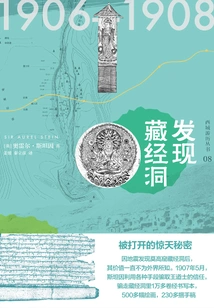
西域游历丛书08:发现藏经洞(知新)
(uk) Aurel Stein
From 1900 to 1901, 1906 to 1908, and 1913 to 1916, Aurel Stein, a British Hungarian, successively went to my country's Xinjiang and Hexi regions to conduct archaeological expeditions and published archaeological reports on these three expeditions: "Ancient Hotan - A Detailed Report on Archaeological Excavations in Xinjiang, China", "Archaeological Map of the Western Regions", and "Archaeological Map of the Heart of Asia". These three works are Stein's masterpieces. They comprehensively describe the ruins and relics of the Han and Tang Dynasties in Xinjiang, my country, as well as the treasures of the Dunhuang Grottoes and the Buddhist art of the Thousand Buddha Caves. They reveal the mystery of the ancient civilization in the region and the exchange and integration of Chinese and Western civilizations. The Travels in the Western Regions series integrates the archaeological data of Stein's three expeditions to western China and integrates and revise the above-mentioned archaeological reports so that the public can more easily understand the process and results. There are 15 volumes in the series. This volume is from "Illustrated Archeology of the Western Regions": After the Mogao Grottoes scripture cave was discovered due to an earthquake, its value has not been known to the outside world. In May 1907, Stein used various means to defraud Taoist Wang's trust and defrauded more than 10,000 volumes of scriptures, more than 500 paintings, and more than 230 bundles of manuscripts from the Sutra Cave.
From 1900 to 1901, 1906 to 1908, and 1913 to 1916, Aurel Stein, a British Hungarian, successively went to my country's Xinjiang and Hexi regions to conduct archaeological expeditions and published archaeological reports on these three expeditions: "Ancient Hotan - A Detailed Report on Archaeological Excavations in Xinjiang, China", "Archaeological Map of the Western Regions", and "Archaeological Map of the Heart of Asia". These three works are Stein's masterpieces. They comprehensively describe the ruins and relics of the Han and Tang Dynasties in Xinjiang, my country, as well as the treasures of the Dunhuang Grottoes and the Buddhist art of the Thousand Buddha Caves. They reveal the mystery of the ancient civilization in the region and the exchange and integration of Chinese and Western civilizations. The Travels in the Western Regions series integrates the archaeological data of Stein's three expeditions to western China and integrates and revise the above-mentioned archaeological reports so that the public can more easily understand the process and results. There are 15 volumes in the series. This volume is from "Illustrated Archeology of the Western Regions": After the Mogao Grottoes scripture cave was discovered due to an earthquake, its value has not been known to the outside world. In May 1907, Stein used various means to defraud Taoist Wang's trust and defrauded more than 10,000 volumes of scriptures, more than 500 paintings, and more than 230 bundles of manuscripts from the Sutra Cave.
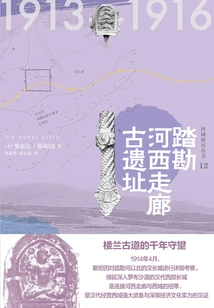
Western Region Travel Series 12: Exploring the Ancient Sites of the Hexi Corridor (new Knowledge)
History西域游历丛书12:踏勘河西走廊古遗址(知新)
(uk) Aurel Stein
From 1900 to 1901, 1906 to 1908, and 1913 to 1916, Aurel Stein, a British Hungarian, successively went to my country's Xinjiang and Hexi regions to conduct archaeological expeditions and published archaeological reports on these three expeditions: "Ancient Hotan - A Detailed Report on Archaeological Excavations in Xinjiang, China", "Archaeological Map of the Western Regions", and "Archaeological Map of the Heart of Asia". These three works are Stein's masterpieces. They comprehensively describe the ruins and relics of the Han and Tang Dynasties in Xinjiang, my country, as well as the treasures of the Dunhuang Grottoes and the Buddhist art of the Thousand Buddha Caves. They reveal the mystery of the ancient civilization in the region and the exchange and integration of Chinese and Western civilizations. The Travels in the Western Regions series integrates the archaeological data of Stein's three expeditions to western China and integrates and revise the above-mentioned archaeological reports so that the public can more easily understand the process and results. There are 15 volumes in the series. This volume comes from "Archaeological Records of the Heart of Asia": In April 1914, Stein conducted a detailed inspection of the Han Dynasty Great Wall north of the Shule River. The Western Great Wall of the Han Dynasty, which stretches deep into the Luobu Desert, is the link connecting the Hexi Corridor and the Western Regions. It is a testimony to the strong military equipment and profound economic and cultural strength of the Han Dynasty in managing the Western Regions.
From 1900 to 1901, 1906 to 1908, and 1913 to 1916, Aurel Stein, a British Hungarian, successively went to my country's Xinjiang and Hexi regions to conduct archaeological expeditions and published archaeological reports on these three expeditions: "Ancient Hotan - A Detailed Report on Archaeological Excavations in Xinjiang, China", "Archaeological Map of the Western Regions", and "Archaeological Map of the Heart of Asia". These three works are Stein's masterpieces. They comprehensively describe the ruins and relics of the Han and Tang Dynasties in Xinjiang, my country, as well as the treasures of the Dunhuang Grottoes and the Buddhist art of the Thousand Buddha Caves. They reveal the mystery of the ancient civilization in the region and the exchange and integration of Chinese and Western civilizations. The Travels in the Western Regions series integrates the archaeological data of Stein's three expeditions to western China and integrates and revise the above-mentioned archaeological reports so that the public can more easily understand the process and results. There are 15 volumes in the series. This volume comes from "Archaeological Records of the Heart of Asia": In April 1914, Stein conducted a detailed inspection of the Han Dynasty Great Wall north of the Shule River. The Western Great Wall of the Han Dynasty, which stretches deep into the Luobu Desert, is the link connecting the Hexi Corridor and the Western Regions. It is a testimony to the strong military equipment and profound economic and cultural strength of the Han Dynasty in managing the Western Regions.
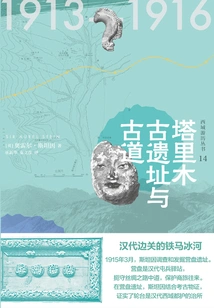
西域游历丛书14:塔里木古遗址与古道(知新)
(uk) Aurel Stein
From 1900 to 1901, 1906 to 1908, and 1913 to 1916, Aurel Stein, a British Hungarian, successively went to my country's Xinjiang and Hexi regions to conduct archaeological expeditions and published archaeological reports on these three expeditions: "Ancient Hotan - A Detailed Report on Archaeological Excavations in Xinjiang, China", "Archaeological Map of the Western Regions", and "Archaeological Map of the Heart of Asia". These three works are Stein's masterpieces. They comprehensively describe the ruins and relics of the Han and Tang Dynasties in Xinjiang, my country, as well as the treasures of the Dunhuang Grottoes and the Buddhist art of the Thousand Buddha Caves. They reveal the mystery of the ancient civilization in the region and the exchange and integration of Chinese and Western civilizations. The Travels in the Western Regions series integrates the archaeological data of Stein's three expeditions to western China and integrates and revise the above-mentioned archaeological reports so that the public can more easily understand the process and results. There are 15 volumes in the series. This volume comes from "Archaeological Records of the Heart of Asia": In March 1915, Stein investigated and excavated the Yingpan ruins. Yingpan was a military station in the Han Dynasty, guarding the middle route of the Silk Road and protecting business travel. At the Yingpan site, Stein combined with archaeological evidence to prove that Luntai was the seat of the Western Region Protectorate in the Han Dynasty.
From 1900 to 1901, 1906 to 1908, and 1913 to 1916, Aurel Stein, a British Hungarian, successively went to my country's Xinjiang and Hexi regions to conduct archaeological expeditions and published archaeological reports on these three expeditions: "Ancient Hotan - A Detailed Report on Archaeological Excavations in Xinjiang, China", "Archaeological Map of the Western Regions", and "Archaeological Map of the Heart of Asia". These three works are Stein's masterpieces. They comprehensively describe the ruins and relics of the Han and Tang Dynasties in Xinjiang, my country, as well as the treasures of the Dunhuang Grottoes and the Buddhist art of the Thousand Buddha Caves. They reveal the mystery of the ancient civilization in the region and the exchange and integration of Chinese and Western civilizations. The Travels in the Western Regions series integrates the archaeological data of Stein's three expeditions to western China and integrates and revise the above-mentioned archaeological reports so that the public can more easily understand the process and results. There are 15 volumes in the series. This volume comes from "Archaeological Records of the Heart of Asia": In March 1915, Stein investigated and excavated the Yingpan ruins. Yingpan was a military station in the Han Dynasty, guarding the middle route of the Silk Road and protecting business travel. At the Yingpan site, Stein combined with archaeological evidence to prove that Luntai was the seat of the Western Region Protectorate in the Han Dynasty.
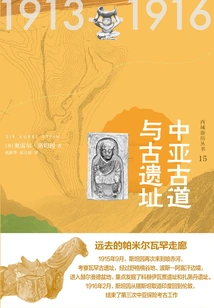
Western Region Travel Series 15: Ancient Roads and Ancient Sites in Central Asia (new Knowledge)
History西域游历丛书15:中亚古道与古遗址(知新)
(uk) Aurel Stein
From 1900 to 1901, 1906 to 1908, and 1913 to 1916, Aurel Stein, a British Hungarian, successively went to my country's Xinjiang and Hexi regions to conduct archaeological expeditions and published archaeological reports on these three expeditions: "Ancient Hotan - A Detailed Report on Archaeological Excavations in Xinjiang, China", "Archaeological Map of the Western Regions", and "Archaeological Map of the Heart of Asia". These three works are Stein's masterpieces. They comprehensively describe the ruins and relics of the Han and Tang Dynasties in Xinjiang, my country, as well as the treasures of the Dunhuang Grottoes and the Buddhist art of the Thousand Buddha Caves. They reveal the mystery of the ancient civilization in the region and the exchange and integration of Chinese and Western civilizations. The Travels in the Western Regions series integrates the archaeological data of Stein's three expeditions to western China and integrates and revise the above-mentioned archaeological reports so that the public can more easily understand the process and results. There are 15 volumes in the series. This volume is from the "Archaeological Map of the Heart of Asia": In September 1915, Stein came to the Penchi River again to inspect the ancient Wakhan ruins. He passed through the Shuganan Valley, the Persian-Afghanistan border, and entered the Helmand Basin. He focused on the excavation of the Koch Iwaja and Zahedan ruins. In February 1916, Stein returned to London from Sistan via India, completing his third Central Asian expedition archaeological work.
From 1900 to 1901, 1906 to 1908, and 1913 to 1916, Aurel Stein, a British Hungarian, successively went to my country's Xinjiang and Hexi regions to conduct archaeological expeditions and published archaeological reports on these three expeditions: "Ancient Hotan - A Detailed Report on Archaeological Excavations in Xinjiang, China", "Archaeological Map of the Western Regions", and "Archaeological Map of the Heart of Asia". These three works are Stein's masterpieces. They comprehensively describe the ruins and relics of the Han and Tang Dynasties in Xinjiang, my country, as well as the treasures of the Dunhuang Grottoes and the Buddhist art of the Thousand Buddha Caves. They reveal the mystery of the ancient civilization in the region and the exchange and integration of Chinese and Western civilizations. The Travels in the Western Regions series integrates the archaeological data of Stein's three expeditions to western China and integrates and revise the above-mentioned archaeological reports so that the public can more easily understand the process and results. There are 15 volumes in the series. This volume is from the "Archaeological Map of the Heart of Asia": In September 1915, Stein came to the Penchi River again to inspect the ancient Wakhan ruins. He passed through the Shuganan Valley, the Persian-Afghanistan border, and entered the Helmand Basin. He focused on the excavation of the Koch Iwaja and Zahedan ruins. In February 1916, Stein returned to London from Sistan via India, completing his third Central Asian expedition archaeological work.