Library
Browse and search books
2 novels found
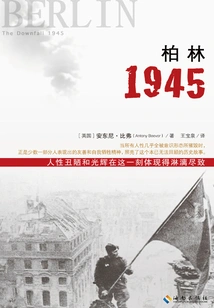
Berlin 1945
Military柏林1945
(uk) Anthony Beaver
"Berlin 1945" won the first Longman Today Trusteeship Award for History and has been translated into more than twenty languages. Drawing on newly declassified Soviet archives and historical sources from Germany, the United States, Britain and France, Anthony Beaver vividly recounts the nightmarish fate endured by many civilians and soldiers, especially women, in the final days of the Third Reich's collapse. Under the cover of the magnificent war scenes, the author recorded an experiential historical event in the form of oral history. The kindness and self-sacrifice shown by some people in extreme times illuminated this historical story that was already impossible to review.
"Berlin 1945" won the first Longman Today Trusteeship Award for History and has been translated into more than twenty languages. Drawing on newly declassified Soviet archives and historical sources from Germany, the United States, Britain and France, Anthony Beaver vividly recounts the nightmarish fate endured by many civilians and soldiers, especially women, in the final days of the Third Reich's collapse. Under the cover of the magnificent war scenes, the author recorded an experiential historical event in the form of oral history. The kindness and self-sacrifice shown by some people in extreme times illuminated this historical story that was already impossible to review.
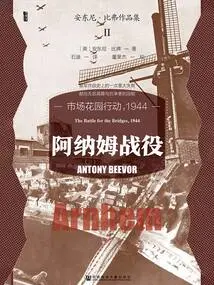
阿纳姆战役:市场花园行动,1944
(uk) Anthony Beaver
The "Market Garden" operation from September 17 to 26, 1944 was another major operation launched by the Allied forces on the Western European battlefield after the Normandy landings in the late World War II. It was the largest airborne combat operation in human history. The Battle of Arnhem eventually became the key battle of this operation. The operation mobilized the Allied 1st Airborne Army, including the U. S. 101St Airborne Division and 82nd Airborne Division, as well as the British 1st Airborne Division and the Polish 1st Independent Parachute Brigade, to participate in the war. The 30th Army of the British 2nd Army conducted ground coordination with the intention of defeating the Germans in one fell swoop and ending the war as soon as possible. Military historian Anthony Beaver starts from the micro level and paints a grand picture of the operation. The optimism permeated by the upper echelons of the Allied forces at that time, the overt and covert struggles among commanders, and the balanced strategy of British and American joint operations made this "gambler-style" military adventure possible. Poor planning and tragic reality brought the operation to a disastrous end, but the courage and perseverance of the Allied soldiers participating in the war and the generosity and fearlessness of the Dutch civilians have been remembered by history.
The "Market Garden" operation from September 17 to 26, 1944 was another major operation launched by the Allied forces on the Western European battlefield after the Normandy landings in the late World War II. It was the largest airborne combat operation in human history. The Battle of Arnhem eventually became the key battle of this operation. The operation mobilized the Allied 1st Airborne Army, including the U. S. 101St Airborne Division and 82nd Airborne Division, as well as the British 1st Airborne Division and the Polish 1st Independent Parachute Brigade, to participate in the war. The 30th Army of the British 2nd Army conducted ground coordination with the intention of defeating the Germans in one fell swoop and ending the war as soon as possible. Military historian Anthony Beaver starts from the micro level and paints a grand picture of the operation. The optimism permeated by the upper echelons of the Allied forces at that time, the overt and covert struggles among commanders, and the balanced strategy of British and American joint operations made this "gambler-style" military adventure possible. Poor planning and tragic reality brought the operation to a disastrous end, but the courage and perseverance of the Allied soldiers participating in the war and the generosity and fearlessness of the Dutch civilians have been remembered by history.