Library
Browse and search books
2 novels found
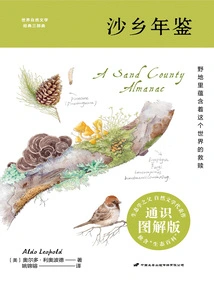
紫图经典文库:沙乡年鉴(通识图解版)
(u. S.) Aldo Leopold
This book is a collection of essays on natural literature and philosophy written by Aldo Leopold. This book records Leopold's experience of ecological restoration on a farm in Wisconsin, USA, deeply explores the dependence between man and land, and proposes a new perspective on land ethics. The whole book is divided into four parts. The first part, with December as the narrative sequence, describes the beauty of the natural changes in Wisconsin in detail; the second part records the author's observations and feelings while working and traveling in various states in the United States, reflecting the development trajectory of his ecological thoughts; the third part, with the theme of rural interest, shows the author's love and reflection on rural nature; the fourth part, through rational discussion, deeply explores the concepts of natural resource protection and land ethics, and puts forward thoughts on future ecological responsibilities.
This book is a collection of essays on natural literature and philosophy written by Aldo Leopold. This book records Leopold's experience of ecological restoration on a farm in Wisconsin, USA, deeply explores the dependence between man and land, and proposes a new perspective on land ethics. The whole book is divided into four parts. The first part, with December as the narrative sequence, describes the beauty of the natural changes in Wisconsin in detail; the second part records the author's observations and feelings while working and traveling in various states in the United States, reflecting the development trajectory of his ecological thoughts; the third part, with the theme of rural interest, shows the author's love and reflection on rural nature; the fourth part, through rational discussion, deeply explores the concepts of natural resource protection and land ethics, and puts forward thoughts on future ecological responsibilities.
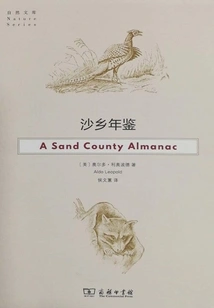
Shaxiang Yearbook
Literature沙乡年鉴
(u. S.) Aldo Leopold
"Sand Country Almanack" is Leopold's masterpiece and the result of his lifelong observation, experience and thinking about nature. In the form of a natural essay, it vividly describes the beauty of the natural ecology of Shaxiang in different seasons, and praises the beauty of the "equal treatment and harmonious symbiosis" relationship between people and land, rivers, lakes, animals and plants. It calls on people to pay attention to ecological ethics and believes that only by "maintaining the overall harmony, stability and beauty of the ecological community" can humans enhance their own welfare. Leopold's land ethics has become the ideological basis for the actions of American environmental organizations and government agencies. He himself is also recognized as the most famous forerunner of ecological environmentalism. This book includes the evocative illustrations drawn by Charlie Schwartz in the earliest English version, which greatly enhances the readability and beauty of the book.
"Sand Country Almanack" is Leopold's masterpiece and the result of his lifelong observation, experience and thinking about nature. In the form of a natural essay, it vividly describes the beauty of the natural ecology of Shaxiang in different seasons, and praises the beauty of the "equal treatment and harmonious symbiosis" relationship between people and land, rivers, lakes, animals and plants. It calls on people to pay attention to ecological ethics and believes that only by "maintaining the overall harmony, stability and beauty of the ecological community" can humans enhance their own welfare. Leopold's land ethics has become the ideological basis for the actions of American environmental organizations and government agencies. He himself is also recognized as the most famous forerunner of ecological environmentalism. This book includes the evocative illustrations drawn by Charlie Schwartz in the earliest English version, which greatly enhances the readability and beauty of the book.