Library
Browse and search books
4 novels found
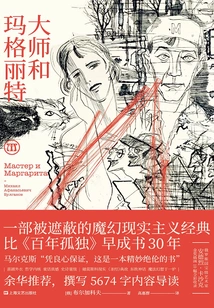
Master and Margaret
General Fiction大师和玛格丽特
(soviet) Bulgakov
The magician Wallander (Satan) parachuted into Moscow in the 1930s with a talking black cat, and used his magic power to "do evil" - vain citizens made a fool of themselves, greedy officials lost their lives inexplicably, and a city that believed in atheism was turned upside down by supernatural forces... At the same time, in another time and space, in Jerusalem two thousand years ago, a far-reaching judgment was being carried out nervously. Should the holy and sinless young man Jesus be executed? The Roman governor fell into a thousand years of entanglement and a thousand years of regret. A love as poignant as moonlight unfolds in Moscow as if destined. God, the devil, the master who burned manuscripts, and the girl who was crazy about love all appeared one by one; executioners, informers, adulterers, and selfish people came one after another. In the bizarre fantasy, a carnival spanning time and space begins... "The Master and Margaret" is considered the pioneering work of magical realism. The author fictionalizes the devil's visit to Moscow and connects incredible magical fantasies, real historical events and banal and vulgar daily life, creating a magnificent world where reality and illusion are intertwined, rationality and absurdity coexist, and fantasy and reality are integrated. It uses a relaxed, humorous and light-weight writing style, a chain comedy, a book-within-a-book structure, and bright, firm, and radiant language to sweep away the heavy, profound, and inaccessible impression that Russian literature has left on readers. It has been rated as the best Russian novel in the 20th century and the first of the 49 ideal collections of Russian literature in France's "Ideal Collection of Books."
The magician Wallander (Satan) parachuted into Moscow in the 1930s with a talking black cat, and used his magic power to "do evil" - vain citizens made a fool of themselves, greedy officials lost their lives inexplicably, and a city that believed in atheism was turned upside down by supernatural forces... At the same time, in another time and space, in Jerusalem two thousand years ago, a far-reaching judgment was being carried out nervously. Should the holy and sinless young man Jesus be executed? The Roman governor fell into a thousand years of entanglement and a thousand years of regret. A love as poignant as moonlight unfolds in Moscow as if destined. God, the devil, the master who burned manuscripts, and the girl who was crazy about love all appeared one by one; executioners, informers, adulterers, and selfish people came one after another. In the bizarre fantasy, a carnival spanning time and space begins... "The Master and Margaret" is considered the pioneering work of magical realism. The author fictionalizes the devil's visit to Moscow and connects incredible magical fantasies, real historical events and banal and vulgar daily life, creating a magnificent world where reality and illusion are intertwined, rationality and absurdity coexist, and fantasy and reality are integrated. It uses a relaxed, humorous and light-weight writing style, a chain comedy, a book-within-a-book structure, and bright, firm, and radiant language to sweep away the heavy, profound, and inaccessible impression that Russian literature has left on readers. It has been rated as the best Russian novel in the 20th century and the first of the 49 ideal collections of Russian literature in France's "Ideal Collection of Books."

Master and Margaret
General Fiction大师和玛格丽特
(soviet) Bulgakov
Satan pretended to be a foreign professor, Woland, and visited the Soviet capital Moscow in the 1930s. He met Berlioz, the chairman of the Moscow Federation of Literary and Art Circles, and the young poet Ivan. They did not believe in God or the devil. Woland refuted each one and predicted Berlioz's death that day. Ivan witnessed the tragedy of Berlioz being run over by a tram, and suspected that Woland was a foreign spy. He pursued him, but was imprisoned in a mental hospital and met the master. The master is an unknown writer. His lover Margaret admires his talent and calls him the master, and he regards himself as such.
Satan pretended to be a foreign professor, Woland, and visited the Soviet capital Moscow in the 1930s. He met Berlioz, the chairman of the Moscow Federation of Literary and Art Circles, and the young poet Ivan. They did not believe in God or the devil. Woland refuted each one and predicted Berlioz's death that day. Ivan witnessed the tragedy of Berlioz being run over by a tram, and suspected that Woland was a foreign spy. He pursued him, but was imprisoned in a mental hospital and met the master. The master is an unknown writer. His lover Margaret admires his talent and calls him the master, and he regards himself as such.
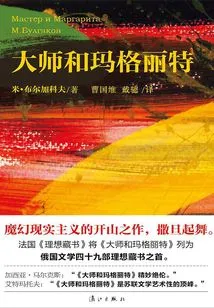
Master and Margaret
General Fiction大师和玛格丽特
(soviet) Bulgakov
Satan came to Moscow pretending to be a foreign professor, Woland, and led a group of demons to cause havoc in the capital. The young poet Ivan was imprisoned in a mental hospital because of their pranks and met the master. The master is an unknown writer, and his lover Margaret admires his talent and calls him a master. He wrote a novel about Pontius Pilate's trial of Jesus. He was criticized, burned the manuscript in panic, and was admitted to a mental hospital. Margaret searched for the Master everywhere, met Satan's followers, regained her youth, and after experiencing many strange things, finally rescued the Master. Under the guidance of Satan, the souls of the Master and Margaret flew over Sparrow Hill in Moscow to their eternal home. "The Master and Marguerite" combines historical legend, mysterious fantasy and real life, and is considered the pioneering work of magical realism in the twentieth century.
Satan came to Moscow pretending to be a foreign professor, Woland, and led a group of demons to cause havoc in the capital. The young poet Ivan was imprisoned in a mental hospital because of their pranks and met the master. The master is an unknown writer, and his lover Margaret admires his talent and calls him a master. He wrote a novel about Pontius Pilate's trial of Jesus. He was criticized, burned the manuscript in panic, and was admitted to a mental hospital. Margaret searched for the Master everywhere, met Satan's followers, regained her youth, and after experiencing many strange things, finally rescued the Master. Under the guidance of Satan, the souls of the Master and Margaret flew over Sparrow Hill in Moscow to their eternal home. "The Master and Marguerite" combines historical legend, mysterious fantasy and real life, and is considered the pioneering work of magical realism in the twentieth century.
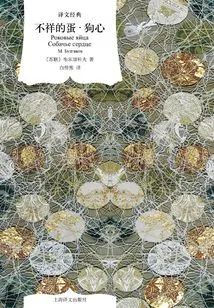
Ominous Egg·dog Heart (classic Translation)
General Fiction不祥的蛋·狗心(译文经典)
(soviet) Bulgakov
"Reality is always more magical than imagination." The classic satirical works "The Ominous Egg" and "The Dog's Heart" are Bulgakov's early classic satirical works. "The Ominous Egg" describes a biology professor who discovers a red light that can promote animal growth, but is forced to use it in chicken farming. Due to a staff error, eggs of tropical creatures used for experiments were given to chicken farms. As a result, a large number of monsters hatched and swept across the Soviet Union. Even the army was helpless. In the end, an unexpectedly strong cold wave wiped out these monsters. "Heart of a Dog" tells the story of a human brain transplanted into a dog's body to create a monster with a human brain and a dog's heart. This monster embodies the shamelessness and despicability of human beings to the extreme. Finally, the doctor turned the monster back into a dog, ending the absurd farce.
"Reality is always more magical than imagination." The classic satirical works "The Ominous Egg" and "The Dog's Heart" are Bulgakov's early classic satirical works. "The Ominous Egg" describes a biology professor who discovers a red light that can promote animal growth, but is forced to use it in chicken farming. Due to a staff error, eggs of tropical creatures used for experiments were given to chicken farms. As a result, a large number of monsters hatched and swept across the Soviet Union. Even the army was helpless. In the end, an unexpectedly strong cold wave wiped out these monsters. "Heart of a Dog" tells the story of a human brain transplanted into a dog's body to create a monster with a human brain and a dog's heart. This monster embodies the shamelessness and despicability of human beings to the extreme. Finally, the doctor turned the monster back into a dog, ending the absurd farce.