Library
Browse and search books
5 novels found
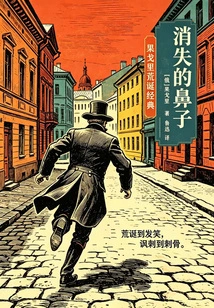
消失的鼻子:果戈里荒诞经典
(russian) Gogol
An eighth-grade civil servant woke up and found that his nose was missing. What's even more bizarre is that the nose actually wore the gold-embroidered dress of a fifth-class civil servant, rode a carriage through the streets of Petersburg, and called himself "Your Excellency." The barber cut it out of freshly baked bread, and the police intercepted it in the fleeing carriage - but it refused to return to the face, leaving only a smooth surface. Gogol's "The Nose" is the most bizarre and bitter satirical masterpiece in the history of Russian literature. Mr. Lu Xun used his unique writing skills to translate this absurd farce vividly. The vanity of officialdom, the ignorance of ordinary people, and society's morbid worship of "status" are all stripped naked in the bizarre adventure of One Nose. It's short, sharp, hilarious, and makes people shiver down their spine after laughing - because that arrogant nose may be on each of our faces.
An eighth-grade civil servant woke up and found that his nose was missing. What's even more bizarre is that the nose actually wore the gold-embroidered dress of a fifth-class civil servant, rode a carriage through the streets of Petersburg, and called himself "Your Excellency." The barber cut it out of freshly baked bread, and the police intercepted it in the fleeing carriage - but it refused to return to the face, leaving only a smooth surface. Gogol's "The Nose" is the most bizarre and bitter satirical masterpiece in the history of Russian literature. Mr. Lu Xun used his unique writing skills to translate this absurd farce vividly. The vanity of officialdom, the ignorance of ordinary people, and society's morbid worship of "status" are all stripped naked in the bizarre adventure of One Nose. It's short, sharp, hilarious, and makes people shiver down their spine after laughing - because that arrogant nose may be on each of our faces.
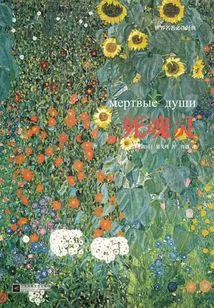
Dead Soul
General Fiction死魂灵
(russian) Gogol
"Dead Souls" is a novel written by Russian writer Gogol. The novel describes Chichikov, a businessman who specializes in fraud, who came to a remote provincial city and became the guest of the local bureaucrats with his extravagant flattery. He also went to buy dead serfs from the landlords in an attempt to use them as collateral to buy and sell short and make huge profits. After the scandal was exposed, he fled. "Dead Souls" is the cornerstone of the development of Russian critical realist literature and the pinnacle of the development of Gogol's realist creation.
"Dead Souls" is a novel written by Russian writer Gogol. The novel describes Chichikov, a businessman who specializes in fraud, who came to a remote provincial city and became the guest of the local bureaucrats with his extravagant flattery. He also went to buy dead serfs from the landlords in an attempt to use them as collateral to buy and sell short and make huge profits. After the scandal was exposed, he fled. "Dead Souls" is the cornerstone of the development of Russian critical realist literature and the pinnacle of the development of Gogol's realist creation.
Dead Soul
General Fiction死魂灵
(russian) Gogol
This book describes the story of Chichikov, a speculative liar who buys and sells dead souls (Russian landowners called their serfs "souls").
This book describes the story of Chichikov, a speculative liar who buys and sells dead souls (Russian landowners called their serfs "souls").
Dead Soul
General Fiction死魂灵
(russian) Gogol
The novel describes the story of Chichikov, a speculative liar who buys and sells dead souls. Chichikov came to a certain city and went to the outskirts of the city to buy dead serfs from landowners who had not yet canceled their household registration, and planned to mortgage them as living serfs to the supervisory committee to defraud them of large deposits. He visited one landowner after another and after fierce bargaining, bought a large number of dead souls. When he happily and quickly completed the legal purchase and sale procedures with the help of the connections he had already established, his criminal activities were exposed. The prosecutor was frightened to death by the rumors, and Chichikov had to escape in a hurry.
The novel describes the story of Chichikov, a speculative liar who buys and sells dead souls. Chichikov came to a certain city and went to the outskirts of the city to buy dead serfs from landowners who had not yet canceled their household registration, and planned to mortgage them as living serfs to the supervisory committee to defraud them of large deposits. He visited one landowner after another and after fierce bargaining, bought a large number of dead souls. When he happily and quickly completed the legal purchase and sale procedures with the help of the connections he had already established, his criminal activities were exposed. The prosecutor was frightened to death by the rumors, and Chichikov had to escape in a hurry.
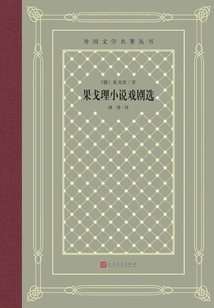
Selected Novels and Plays by Gogol
Literature果戈理小说戏剧选
(russian) Gogol
It includes Gogol's representative works, the novels "Taras Bulba", "Nevsky Prospekt", "Portrait", "The Overcoat" and the drama "The Imperial Envoy". Gogol uses ordinary daily life as the theme to describe the misfortunes of small people, which is permeated by the author's exposure and criticism of the social roots that cause the tragedies of small people. "The Imperial Envoy" is the representative work of the Russian satirist Gogol, which was published in 1836. The story describes a playboy named Khlestakov who lost everything in a bet and was at a loss. He was passing through a city in another province from Petersburg and was mistaken for an "imperial envoy". This caused panic among the local officials and made many jokes.
It includes Gogol's representative works, the novels "Taras Bulba", "Nevsky Prospekt", "Portrait", "The Overcoat" and the drama "The Imperial Envoy". Gogol uses ordinary daily life as the theme to describe the misfortunes of small people, which is permeated by the author's exposure and criticism of the social roots that cause the tragedies of small people. "The Imperial Envoy" is the representative work of the Russian satirist Gogol, which was published in 1836. The story describes a playboy named Khlestakov who lost everything in a bet and was at a loss. He was passing through a city in another province from Petersburg and was mistaken for an "imperial envoy". This caused panic among the local officials and made many jokes.