Library
Browse and search novels
2 novels found
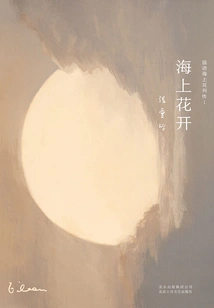
张爱玲全集10:海上花开
(qing Dynasty) Han Bangqing
"Biography of Flowers on the Sea" is a novel written in Wu dialect by Han Bangqing (1856-1894), a scholar in the late Qing Dynasty. It describes the life in a brothel in Shanghai's Shili Foreign Market. It reflects the social life of the officialdom and business circles at that time through the characters who go in and out of the brothel. Lu Xun called it "plain and close to nature", Hu Shi called it "the first masterpiece of Wu Chinese literature", and Zhang Ailing believed that ""Flowers of the Sea" developed the tradition to the extreme". In order to eliminate the reading obstacles caused by the Wu dialogues in the book, Zhang Ailing translated "Biography of Flowers on the Sea" into Mandarin and included it in "The Complete Works of Zhang Ailing" into two volumes: "Flowers on the Sea Bloom" and "Flowers on the Sea Fall".
"Biography of Flowers on the Sea" is a novel written in Wu dialect by Han Bangqing (1856-1894), a scholar in the late Qing Dynasty. It describes the life in a brothel in Shanghai's Shili Foreign Market. It reflects the social life of the officialdom and business circles at that time through the characters who go in and out of the brothel. Lu Xun called it "plain and close to nature", Hu Shi called it "the first masterpiece of Wu Chinese literature", and Zhang Ailing believed that ""Flowers of the Sea" developed the tradition to the extreme". In order to eliminate the reading obstacles caused by the Wu dialogues in the book, Zhang Ailing translated "Biography of Flowers on the Sea" into Mandarin and included it in "The Complete Works of Zhang Ailing" into two volumes: "Flowers on the Sea Bloom" and "Flowers on the Sea Fall".
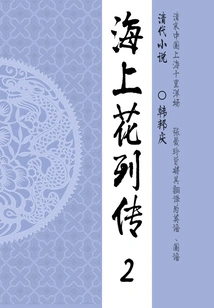
晚清经典小说:海上花列传(2)
(qing Dynasty) Han Bangqing
"Biographies of Flowers on the Sea" is a novel in the late Qing Dynasty. The main content is about the busy life in the ten-mile foreign market in Shanghai, China in the late Qing Dynasty, involving the officialdom, business circles and the social aspects connected with them at that time. "Biography of Flowers on the Sea" is a famous novel in Wu language and the first dialect novel in China. Later Zhang Ailing translated it into Mandarin and named it "Flowers on the Sea". The author claims that the structure of "The Biography of Shanghai Flowers" is derived from "The Scholars" and uses techniques such as "interspersing" and "hidden flashes". Describe characters' personalities, depict human feelings and world conditions, and describe them delicately and vividly. The stories about brothel girls are all different, some are good and some are bad. They are closer to realism and have the characteristics of "plain and natural". This kind of late Qing romance novels, on the one hand, reflects the love tragedy and tragic experiences of young men and women at that time; on the other hand, by depicting all living beings in modern urban life, it reflects the darkness and corruption of the social politics of the late Qing Dynasty, and has certain realistic critical significance and cognitive value.
"Biographies of Flowers on the Sea" is a novel in the late Qing Dynasty. The main content is about the busy life in the ten-mile foreign market in Shanghai, China in the late Qing Dynasty, involving the officialdom, business circles and the social aspects connected with them at that time. "Biography of Flowers on the Sea" is a famous novel in Wu language and the first dialect novel in China. Later Zhang Ailing translated it into Mandarin and named it "Flowers on the Sea". The author claims that the structure of "The Biography of Shanghai Flowers" is derived from "The Scholars" and uses techniques such as "interspersing" and "hidden flashes". Describe characters' personalities, depict human feelings and world conditions, and describe them delicately and vividly. The stories about brothel girls are all different, some are good and some are bad. They are closer to realism and have the characteristics of "plain and natural". This kind of late Qing romance novels, on the one hand, reflects the love tragedy and tragic experiences of young men and women at that time; on the other hand, by depicting all living beings in modern urban life, it reflects the darkness and corruption of the social politics of the late Qing Dynasty, and has certain realistic critical significance and cognitive value.