Library
Browse and search novels
5 novels found
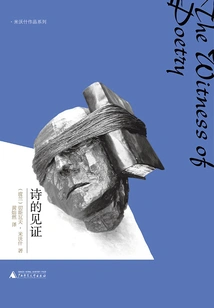
Witness of Poetry
Literature诗的见证
(poland) Czeslaw Miłosz
This book is a collection of six lectures Milosz gave as part of the Norton Lectures at Harvard University. Milosz's explanation of the witnessing function of poetry is extremely insightful. With this pamphlet, Milosz discusses the importance of poetry to the times. What Mie said is not a cliché. What he reminded the world of is precisely an ancient tradition of poetry. At the same time, reflection on the twentieth century provided a clearer direction for this thinking dimension.
This book is a collection of six lectures Milosz gave as part of the Norton Lectures at Harvard University. Milosz's explanation of the witnessing function of poetry is extremely insightful. With this pamphlet, Milosz discusses the importance of poetry to the times. What Mie said is not a cliché. What he reminded the world of is precisely an ancient tradition of poetry. At the same time, reflection on the twentieth century provided a clearer direction for this thinking dimension.
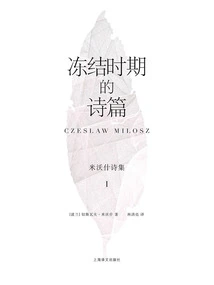
冻结时期的诗篇:米沃什诗集Ⅰ
(poland) Czeslaw Miłosz
"The purpose of poetry is, and can only be, salvation." "Poems in the Frozen Period: Miłosz's Collected Poems I" contains 56 poems by Miłosz, from "Poems in the Frozen Period" (1933), "Three Winters" (1936), "Salvation" (1945), The Light of Day (1953), "On Poetry" (1957) and "King Poppierre and Others" (1962). Most of them are long poems, which include rich lyricism and description, as well as fierce and indignant ridicule and criticism. During this period, Milosz witnessed many historical events and wrote famous works such as "Piazza Fiori". Czeslaw Milosz, one of the greatest poets of the 20th century, defined the tragedy and beauty of his era with unparalleled precision and elegance. His poems, whether they describe his boyhood in Poland, his grief in war-torn Warsaw, or his pursuit of faith, are all astonishing and awe-inspiring, and they convey a strong sense of life and the individuality of ordinary life. The poem's exploration of death, war, love and faith is gripping, shocking and thought-provoking: "The existence of this land itself is far beyond the description of any language." "Miłosz's Collected Poems" contains 335 of the poet's poems from 1931 to 2001. This poem chapter, according to the year of creation and publication, is divided into four volumes: "Poems of the Frozen Period", "Enchanted Guqiao", "Reminiscences of Homeland" and "Facing the River". It was directly translated from Polish by Polish literature experts. It is the first time that the complete picture of Miłosz's poetry is presented in the Chinese world.
"The purpose of poetry is, and can only be, salvation." "Poems in the Frozen Period: Miłosz's Collected Poems I" contains 56 poems by Miłosz, from "Poems in the Frozen Period" (1933), "Three Winters" (1936), "Salvation" (1945), The Light of Day (1953), "On Poetry" (1957) and "King Poppierre and Others" (1962). Most of them are long poems, which include rich lyricism and description, as well as fierce and indignant ridicule and criticism. During this period, Milosz witnessed many historical events and wrote famous works such as "Piazza Fiori". Czeslaw Milosz, one of the greatest poets of the 20th century, defined the tragedy and beauty of his era with unparalleled precision and elegance. His poems, whether they describe his boyhood in Poland, his grief in war-torn Warsaw, or his pursuit of faith, are all astonishing and awe-inspiring, and they convey a strong sense of life and the individuality of ordinary life. The poem's exploration of death, war, love and faith is gripping, shocking and thought-provoking: "The existence of this land itself is far beyond the description of any language." "Miłosz's Collected Poems" contains 335 of the poet's poems from 1931 to 2001. This poem chapter, according to the year of creation and publication, is divided into four volumes: "Poems of the Frozen Period", "Enchanted Guqiao", "Reminiscences of Homeland" and "Facing the River". It was directly translated from Polish by Polish literature experts. It is the first time that the complete picture of Miłosz's poetry is presented in the Chinese world.
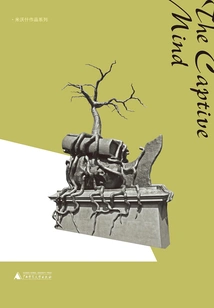
Imprisoned Mind
General Fiction被禁锢的头脑
(poland) Czeslaw Miłosz
This book is a classic work written by Milosz, the winner of the 1980 Nobel Prize for Literature, in the early 1950s. It provides a wonderful description and reflection on the situation of people in Poland and the three Baltic countries before and after World War II. Many of Milosz's insights are still powerful in interpretation in today's context, and even have greater potential and space. The Chinese-speaking world is looking forward to this book. The Chinese version is directly translated from the Polish, and it also has a preface to the German and English versions. The famous critic Ms. Cui Weiping is invited to give an introduction. It can be said to be a rare book.
This book is a classic work written by Milosz, the winner of the 1980 Nobel Prize for Literature, in the early 1950s. It provides a wonderful description and reflection on the situation of people in Poland and the three Baltic countries before and after World War II. Many of Milosz's insights are still powerful in interpretation in today's context, and even have greater potential and space. The Chinese-speaking world is looking forward to this book. The Chinese version is directly translated from the Polish, and it also has a preface to the German and English versions. The famous critic Ms. Cui Weiping is invited to give an introduction. It can be said to be a rare book.
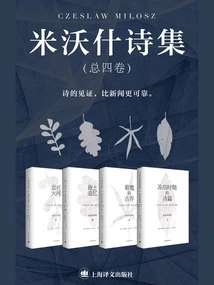
米沃什诗集(总四卷)
(poland) Czeslaw Miłosz
"The testimony of poetry is more reliable than news." Czeslaw Milosz, one of the greatest poets of the 20th century and winner of the 1980 Nobel Prize for Literature, defined the tragedy and beauty of his era with his unparalleled precision and elegance. His poems, whether they describe his boyhood in Poland, his grief in war-torn Warsaw, or his pursuit of faith, are all astonishing and awe-inspiring, and they convey a strong sense of life and the individuality of ordinary life. "Miłosz's Collected Poems" contains 335 poems by the poet from 1931 to 2001. According to the year of creation and publication, it is divided into four volumes: "Poems of the Frozen Period", "Enchanted Guqiao", "Memories of Homeland" and "Facing the River". It was directly translated from Polish by Polish literature experts. It is the first time in the Chinese world that the complete picture of Miłosz's poetry is presented. According to Milosz, poetry is a witness and participant of the times. The meaning of poetry is to try its best to capture the palpable truth. "Its purpose is, and can only be, to save." Poetry is not only a form, but also a power. Miłosz is a great patriot, not a person who is swayed by the wind; his poetry has taken root in the Chinese poetry scene since the 1980s and has had a lasting impact on Chinese poets. Milosz has always thought about whether poetry has a saving function. His poems are full of passion, firm and profound. His poems span the twentieth century, connecting the past with the present, connecting himself with readers, taking one sentence as his home, and fighting against chaos and nothingness.
"The testimony of poetry is more reliable than news." Czeslaw Milosz, one of the greatest poets of the 20th century and winner of the 1980 Nobel Prize for Literature, defined the tragedy and beauty of his era with his unparalleled precision and elegance. His poems, whether they describe his boyhood in Poland, his grief in war-torn Warsaw, or his pursuit of faith, are all astonishing and awe-inspiring, and they convey a strong sense of life and the individuality of ordinary life. "Miłosz's Collected Poems" contains 335 poems by the poet from 1931 to 2001. According to the year of creation and publication, it is divided into four volumes: "Poems of the Frozen Period", "Enchanted Guqiao", "Memories of Homeland" and "Facing the River". It was directly translated from Polish by Polish literature experts. It is the first time in the Chinese world that the complete picture of Miłosz's poetry is presented. According to Milosz, poetry is a witness and participant of the times. The meaning of poetry is to try its best to capture the palpable truth. "Its purpose is, and can only be, to save." Poetry is not only a form, but also a power. Miłosz is a great patriot, not a person who is swayed by the wind; his poetry has taken root in the Chinese poetry scene since the 1980s and has had a lasting impact on Chinese poets. Milosz has always thought about whether poetry has a saving function. His poems are full of passion, firm and profound. His poems span the twentieth century, connecting the past with the present, connecting himself with readers, taking one sentence as his home, and fighting against chaos and nothingness.
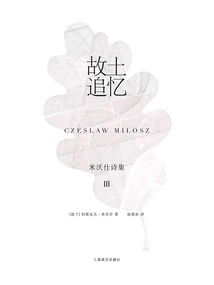
故土追忆:米沃什诗集3
(poland) Czeslaw Miłosz
"One sentence is home, and this sentence seems to be forged from steel." "Memories of Homeland: Miłosz Poetry Collection III" contains 87 poems by Miłosz, from "Memories of Homeland" (1986), "Chronicle" (1985-1987) and "The Other Shore" (1991). The poet recalls the people who have passed away and the homeland that is difficult to enter, and ponders our common destiny, but "still cannot learn to narrate properly and be calm". Czeslaw Milosz, one of the greatest poets of the 20th century, defined the tragedy and beauty of his era with unparalleled precision and elegance. His poems, whether they describe his boyhood in Poland, his grief in war-torn Warsaw, or his pursuit of faith, are all astonishing and awe-inspiring, and they convey a strong sense of life and the individuality of ordinary life. The poem's exploration of death, war, love and faith is gripping, shocking and thought-provoking: "The existence of this land itself is far beyond the description of any language." "Miłosz's Collected Poems" contains 335 of the poet's poems from 1931 to 2001. This poem chapter, according to the year of creation and publication, is divided into four volumes: "Poems of the Frozen Period", "Enchanted Guqiao", "Reminiscences of Homeland" and "Facing the River". It was directly translated from Polish by Polish literature experts. It is the first time that the complete picture of Miłosz's poetry is presented in the Chinese world.
"One sentence is home, and this sentence seems to be forged from steel." "Memories of Homeland: Miłosz Poetry Collection III" contains 87 poems by Miłosz, from "Memories of Homeland" (1986), "Chronicle" (1985-1987) and "The Other Shore" (1991). The poet recalls the people who have passed away and the homeland that is difficult to enter, and ponders our common destiny, but "still cannot learn to narrate properly and be calm". Czeslaw Milosz, one of the greatest poets of the 20th century, defined the tragedy and beauty of his era with unparalleled precision and elegance. His poems, whether they describe his boyhood in Poland, his grief in war-torn Warsaw, or his pursuit of faith, are all astonishing and awe-inspiring, and they convey a strong sense of life and the individuality of ordinary life. The poem's exploration of death, war, love and faith is gripping, shocking and thought-provoking: "The existence of this land itself is far beyond the description of any language." "Miłosz's Collected Poems" contains 335 of the poet's poems from 1931 to 2001. This poem chapter, according to the year of creation and publication, is divided into four volumes: "Poems of the Frozen Period", "Enchanted Guqiao", "Reminiscences of Homeland" and "Facing the River". It was directly translated from Polish by Polish literature experts. It is the first time that the complete picture of Miłosz's poetry is presented in the Chinese world.