Library
Browse and search books
1 novel found
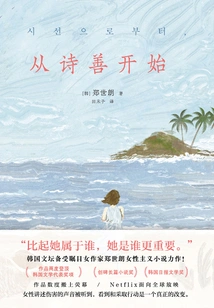
Start with Poetry
General Fiction从诗善开始
(korean) Jung Se-rang
This is a Korean female-themed literary work. This book tells the life story of Shim Si-sun, a Korean female artist who once lived in the United States. Shen Shishan's open and independent world view and two marriages gave her family a unique matrilineal structure. After her death, her daughters and granddaughters creatively used the method of everyone searching for a memory or item related to Shen Shishan, and gathered in Hawaii to share it together, completing this unique sacrificial ceremony. By searching for items, later generations gradually restored the life of Ms. Shen Shishan, an artist and writer who was at the forefront of the times. The novel uses sacrifice, a traditional patriarchal strengthening ritual in Korean society, as a device to imply the deconstruction of patriarchy; at the same time, the novel creatively redefines the ritual of sacrifice, allowing scattered people to reunite in a mobile way. It is not only a tribute to the new women of the 20th century, but also the search and construction of self-identity for the female members of their descendants' matrilineal families. Self-identity, identity value, and gender deconstruction have reference significance for women in the current social field of reconstruction of gender identity.
This is a Korean female-themed literary work. This book tells the life story of Shim Si-sun, a Korean female artist who once lived in the United States. Shen Shishan's open and independent world view and two marriages gave her family a unique matrilineal structure. After her death, her daughters and granddaughters creatively used the method of everyone searching for a memory or item related to Shen Shishan, and gathered in Hawaii to share it together, completing this unique sacrificial ceremony. By searching for items, later generations gradually restored the life of Ms. Shen Shishan, an artist and writer who was at the forefront of the times. The novel uses sacrifice, a traditional patriarchal strengthening ritual in Korean society, as a device to imply the deconstruction of patriarchy; at the same time, the novel creatively redefines the ritual of sacrifice, allowing scattered people to reunite in a mobile way. It is not only a tribute to the new women of the 20th century, but also the search and construction of self-identity for the female members of their descendants' matrilineal families. Self-identity, identity value, and gender deconstruction have reference significance for women in the current social field of reconstruction of gender identity.