Library
Browse and search novels
4 novels found

枕草子(插图注释版)
(japanese) Qingshaonagon
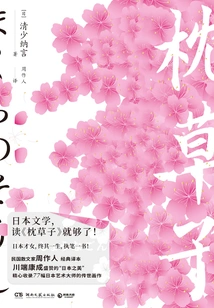
The book has a total of 305 paragraphs, divided into three major contents: clustering, diary and random thoughts. The clustering is influenced by Li Yishan's "Za Tu" of the Tang Dynasty, which lists things of different natures and categories in life, such as "mountains", "sea", "disappointing things", "elegant things", involving geographical features, vegetation, flowers and birds, inner emotions, life interests, etc., Which very richly reflects the author's delicate observation and aesthetic taste of Qing Shao Nayan. The diary records the author's life in the palace, from which we can learn about the living conditions and tastes of the royal family and nobles in Japan's Heian period. Random thoughts are random thoughts about nature and life, especially the author's bright and free attitude towards life. This book contains color illustrations and inserts.

Pillow Seeds
Literature枕草子
(japanese) Qingshaonagon
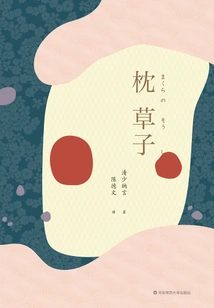
"Pillow" is a collection of essays written by Seishonagon, a female writer during the Heian period in Japan, and has been handed down for thousands of years. "Pillow" and "The Tale of Genji" are both regarded as the two masterpieces of Japanese classical literature; together with "The Book of the Hojo" and "The Tale of Turancao", they are also regarded as Japan's three major essays. The content of "Pillow" can be roughly divided into three categories: first, clustering. List things such as "pleasant", "rare", "unfortunate", "elegant", "cute", "visible" and other things, following the same category, but expanded, and including mountains, rivers, vegetation, some beautiful and some ugly, quite subtle; the second is a diary. After the death of Queen Dingzi, during the years when Qing Shao Nayan left the palace, he recalled the old events in the palace and was deeply moved, so he wrote them down. The third is his reflections. Plants, trees, insects and fish, the changing seasons, old people and acquaintances, and the things seen in the palace all arouse Qing Shao Nayan's emotions and emotions.

Pillow Seeds
Literature枕草子
(japanese) Qingshaonagon
"Pillow" is a collection of essays by Japanese Heian period female writer Seishonagon. Together with another Japanese literary classic "The Tale of Genji", it is known as the twin walls of Japanese Heian period literature. The content covers the seasons and tastes of the four seasons, Buddhist affairs and personnel, and natural scenes such as the capital's landscapes, flowers and birds, vegetation, sun, moon and stars. The writing is free and the words are fresh and bright, showing the beauty of all things and life.

Pillow Seeds
Literature枕草子
(japanese) Qingshaonagon
A complete translation of the classic by the literary master Zhou Zuoren, translated from the rare original version of "Pillows of Spring". "Pillows" is a supreme masterpiece of Japanese healing and a literary milestone classic that has been best-selling for thousands of years. The legendary female writer Qing Shao Nayan uses pure, delicate, exquisite and concise unique writing style to perfectly present the fleeting beauty in daily life, natural scenery and palace anecdotes. Ordinary things in the world bloom at the tip of her pen, and her untainted genius heart is reflected in every page of the book. Reading it is warm and healing, and you can't bear to put it down. It has won the reputation of "reading from the page where the wind blows".