Library
Browse and search books
1 novel found
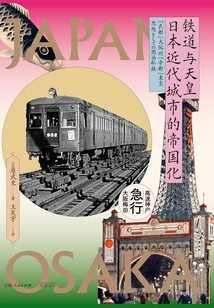
铁道与天皇:日本近代城市的帝国化
(japanese) Original Martial Arts History
Taking the railway as the horizontal axis, the emperor as the vertical axis, and the city as the stage, the process of modern Japanese intellectual history is analyzed. Until the 1930s, Osaka completely suppressed the capital Tokyo in terms of population, economy, area, etc., And was a veritable "people's capital". But in 1928, when Emperor Showa took a train from Tokyo to Kyoto to hold his enthronement ceremony, the city was gradually changed. Osaka's prosperity developed around private railways dominated by private capital. Along the railway lines, the city took the lead in possessing large-scale amusement parks, comprehensive shopping malls, high-end suburban residences, top-notch song and dance theaters, and professional baseball stadiums, forming a modern urban entertainment culture that can despise Tokyo. But after Emperor Showa came to the throne, Osaka, which had once been proud of its common people's commerce, was gradually brought under the shadow of the ubiquitous empire and became a part of the huge state machine. Departing from Tokyo, the center of power, the train travels every second like a precision instrument, becoming a device that defines the synchronic experience of the people along the way. People have a sense that all Japanese citizens are one. Here, the railway was once the happy support of people's lives, but when the war slowly approached, it must also be transformed into a cold tool for transporting soldiers... The ambition of this book is not to show the changes in a city in Osaka, but to show how the empire penetrated the entire Japan through the railway. Railways build unified national identity and patriotic emotions by shaping a unified time and space.
Taking the railway as the horizontal axis, the emperor as the vertical axis, and the city as the stage, the process of modern Japanese intellectual history is analyzed. Until the 1930s, Osaka completely suppressed the capital Tokyo in terms of population, economy, area, etc., And was a veritable "people's capital". But in 1928, when Emperor Showa took a train from Tokyo to Kyoto to hold his enthronement ceremony, the city was gradually changed. Osaka's prosperity developed around private railways dominated by private capital. Along the railway lines, the city took the lead in possessing large-scale amusement parks, comprehensive shopping malls, high-end suburban residences, top-notch song and dance theaters, and professional baseball stadiums, forming a modern urban entertainment culture that can despise Tokyo. But after Emperor Showa came to the throne, Osaka, which had once been proud of its common people's commerce, was gradually brought under the shadow of the ubiquitous empire and became a part of the huge state machine. Departing from Tokyo, the center of power, the train travels every second like a precision instrument, becoming a device that defines the synchronic experience of the people along the way. People have a sense that all Japanese citizens are one. Here, the railway was once the happy support of people's lives, but when the war slowly approached, it must also be transformed into a cold tool for transporting soldiers... The ambition of this book is not to show the changes in a city in Osaka, but to show how the empire penetrated the entire Japan through the railway. Railways build unified national identity and patriotic emotions by shaping a unified time and space.