Library
Browse and search books
1 novel found
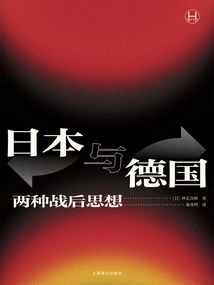
日本与德国:两种战后思想(历史学堂)
(japan) Zhongzheng Changshu
After World War II, Japan and Germany experienced varying degrees of conflicts and disputes both domestically and with their neighbors around issues of war responsibility and national apology. Looking back today, 80 years after the end of the war, Germany's attitude of reflecting on history has been generally appreciated by countries around the world, but Japan still falls into disputes of public opinion on historical issues from time to time. Why is there such a big difference between the two? As a researcher of German intellectual history who was born in post-war Japan, the author attempts to present all aspects of this issue in a simple and in-depth manner in this book. Although the postwar thoughts of Germany and Japan appear to be similar, there are also differences that cannot be ignored. This is not only due to the differences in the modern history and social and cultural backgrounds of the two countries, but also the influence of the postwar international pattern. The author starts from the differences in the victorious country's condemnation of the two countries, their understanding of war responsibilities, the post-war state form, and the post-war regional surrounding environment of the two countries. In particular, the author focuses on introducing the differences in the intellectual thoughts of the two countries and their influence on the people. This provides a comprehensive and profound perspective for us to understand the differences in attitudes between Japan and Germany on historical issues. The author also hopes that Japanese society can learn more from Germany on the basis of understanding the differences in these historical contexts in order to resolve historical issues with its East Asian neighbors.
After World War II, Japan and Germany experienced varying degrees of conflicts and disputes both domestically and with their neighbors around issues of war responsibility and national apology. Looking back today, 80 years after the end of the war, Germany's attitude of reflecting on history has been generally appreciated by countries around the world, but Japan still falls into disputes of public opinion on historical issues from time to time. Why is there such a big difference between the two? As a researcher of German intellectual history who was born in post-war Japan, the author attempts to present all aspects of this issue in a simple and in-depth manner in this book. Although the postwar thoughts of Germany and Japan appear to be similar, there are also differences that cannot be ignored. This is not only due to the differences in the modern history and social and cultural backgrounds of the two countries, but also the influence of the postwar international pattern. The author starts from the differences in the victorious country's condemnation of the two countries, their understanding of war responsibilities, the post-war state form, and the post-war regional surrounding environment of the two countries. In particular, the author focuses on introducing the differences in the intellectual thoughts of the two countries and their influence on the people. This provides a comprehensive and profound perspective for us to understand the differences in attitudes between Japan and Germany on historical issues. The author also hopes that Japanese society can learn more from Germany on the basis of understanding the differences in these historical contexts in order to resolve historical issues with its East Asian neighbors.