Library
Browse and search books
1 novel found
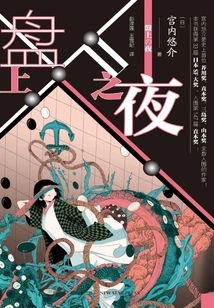
Plate Night
General Fiction盘上之夜
(japan) Yusuke Miyauchi
"Night on the Plate" is a collection of short stories. The book contains six short stories, namely "Night on the Plate", "The King of the World", "The Pure Table", "The Flying Elephant Prince", "Thousand Years of Void" and "The Atomic Bomb Bureau". The book takes the role of "journalist" as the main perspective, uses Go, chess, mahjong and other battles as themes, and describes various miracles surrounding board games and table games. This work allows people to see the wonderful universe beyond the boundaries of reason from the board of chess and card games. "Night on the Board" tells the story of an extremely miserable girl who lost her limbs, Yuu Haihara, how she lost her limbs and redeemed herself by gambling, and eventually became a leader in the Japanese Go world. Among them, many authors use the story of Yuu Haihara to express their views on "will" and "destiny". "The King of Earth" tells the story of Marion Tinsley, the undefeated American checkers king. It includes the ins and outs of his battle with computers, as well as his life and views on winning and losing, as well as the relationship between humans and artificial intelligence. "Purity Table" tells the story of four mahjong players in the 9th White Phoenix Tournament. It uses a fictional religion called "City Shaman" to convey views on desperate bravery, clever psychological warfare, and intricate emotional collisions between people. "The Flying Elephant Prince" tells the story of an Indian prince and the Buddha. It continues the theme of Chapters Two and Three and revolves around the dialogue about "the complete understanding of life and the birth of the game." "Thousand Years of Void" makes full use of the fairness obtained previously, and the author just puts the intricate human emotions at the core. The solution to the reader's obsession with utter chaos and corruption - something that shows "the end of violence" - is the scene depicted in Japanese chess. To put it simply, this story is equivalent to praying for "the restart of life and the end of the game." In "Atomic Bomb Bureau", the two protagonists from "Night on the Board" appear again, Yuu Haihara and Junichi Aida. Due to the reappearance of the two, all the themes introduced before will come to fruition, and in the process, the author does not shy away from introducing the perspective of the past. It was the game on the day of the atomic bombing. The structure of relationships revolves around the chess game on the day the atomic bomb was dropped.
"Night on the Plate" is a collection of short stories. The book contains six short stories, namely "Night on the Plate", "The King of the World", "The Pure Table", "The Flying Elephant Prince", "Thousand Years of Void" and "The Atomic Bomb Bureau". The book takes the role of "journalist" as the main perspective, uses Go, chess, mahjong and other battles as themes, and describes various miracles surrounding board games and table games. This work allows people to see the wonderful universe beyond the boundaries of reason from the board of chess and card games. "Night on the Board" tells the story of an extremely miserable girl who lost her limbs, Yuu Haihara, how she lost her limbs and redeemed herself by gambling, and eventually became a leader in the Japanese Go world. Among them, many authors use the story of Yuu Haihara to express their views on "will" and "destiny". "The King of Earth" tells the story of Marion Tinsley, the undefeated American checkers king. It includes the ins and outs of his battle with computers, as well as his life and views on winning and losing, as well as the relationship between humans and artificial intelligence. "Purity Table" tells the story of four mahjong players in the 9th White Phoenix Tournament. It uses a fictional religion called "City Shaman" to convey views on desperate bravery, clever psychological warfare, and intricate emotional collisions between people. "The Flying Elephant Prince" tells the story of an Indian prince and the Buddha. It continues the theme of Chapters Two and Three and revolves around the dialogue about "the complete understanding of life and the birth of the game." "Thousand Years of Void" makes full use of the fairness obtained previously, and the author just puts the intricate human emotions at the core. The solution to the reader's obsession with utter chaos and corruption - something that shows "the end of violence" - is the scene depicted in Japanese chess. To put it simply, this story is equivalent to praying for "the restart of life and the end of the game." In "Atomic Bomb Bureau", the two protagonists from "Night on the Board" appear again, Yuu Haihara and Junichi Aida. Due to the reappearance of the two, all the themes introduced before will come to fruition, and in the process, the author does not shy away from introducing the perspective of the past. It was the game on the day of the atomic bombing. The structure of relationships revolves around the chess game on the day the atomic bomb was dropped.