Library
Browse and search books
3 novels found
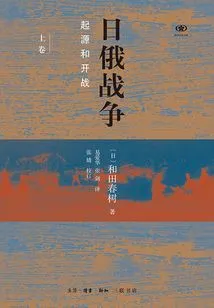
日俄战争:起源和开战(上)
(japan) Wada Haruki
Why did the Russo-Japanese War, which determined a critical turning point in Northeast Asia and had world historical significance in the early 20th century, happen in Northeast China? What direct connection does it have with Korea, China and other colonial empires at that time? For the first time, Haruki Wada, a professor at the University of Tokyo and an expert on Russian and Korean history, has presented us with a new masterpiece on the Russo-Japanese War based on a comprehensive survey of Japanese, Russian, and Korean materials.
Why did the Russo-Japanese War, which determined a critical turning point in Northeast Asia and had world historical significance in the early 20th century, happen in Northeast China? What direct connection does it have with Korea, China and other colonial empires at that time? For the first time, Haruki Wada, a professor at the University of Tokyo and an expert on Russian and Korean history, has presented us with a new masterpiece on the Russo-Japanese War based on a comprehensive survey of Japanese, Russian, and Korean materials.
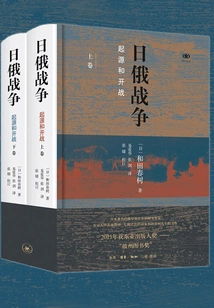
日俄战争:起源和开战(全集)
(japan) Wada Haruki
This book is the first study based on a comprehensive survey of Japanese, Russian, and Korean materials. It completely discusses why the Russo-Japanese War happened and how it started from the two dimensions of origin and war. The author will illustrate that the war was sparked by Japan's desire to rule Korea and began by invading Korea. The Russo-Japanese War began with the Korean War and eventually developed into a war between Japan and Russia in Northeast China. This view effectively refuted the Japanese's misunderstanding of the war for a century. As the author said: "When Japan won the war and annexed North Korea, the Asian people discovered that Japan was another imperialist country." This book won the 2013 Northeast Asia Publisher: Paju Book Award.
This book is the first study based on a comprehensive survey of Japanese, Russian, and Korean materials. It completely discusses why the Russo-Japanese War happened and how it started from the two dimensions of origin and war. The author will illustrate that the war was sparked by Japan's desire to rule Korea and began by invading Korea. The Russo-Japanese War began with the Korean War and eventually developed into a war between Japan and Russia in Northeast China. This view effectively refuted the Japanese's misunderstanding of the war for a century. As the author said: "When Japan won the war and annexed North Korea, the Asian people discovered that Japan was another imperialist country." This book won the 2013 Northeast Asia Publisher: Paju Book Award.
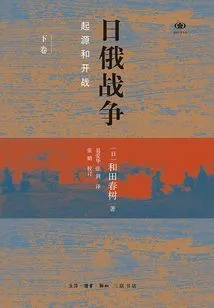
日俄战争:起源和开战(下)
(japan) Wada Haruki
This book is the first study based on a comprehensive survey of Japanese, Russian, and Korean materials. It completely discusses why the Russo-Japanese War happened and how it started from the two dimensions of origin and war. The author will illustrate that the war was sparked by Japan's desire to rule Korea and began by invading Korea. The Russo-Japanese War began with the Korean War and eventually developed into a war between Japan and Russia in Northeast China. This view effectively refutes the Japanese's misunderstanding of this war for a century. As the author said: "When Japan won the war and annexed Korea, the people of Asia discovered that Japan was another imperialist country."
This book is the first study based on a comprehensive survey of Japanese, Russian, and Korean materials. It completely discusses why the Russo-Japanese War happened and how it started from the two dimensions of origin and war. The author will illustrate that the war was sparked by Japan's desire to rule Korea and began by invading Korea. The Russo-Japanese War began with the Korean War and eventually developed into a war between Japan and Russia in Northeast China. This view effectively refutes the Japanese's misunderstanding of this war for a century. As the author said: "When Japan won the war and annexed Korea, the people of Asia discovered that Japan was another imperialist country."