Library
Browse and search books
2 novels found
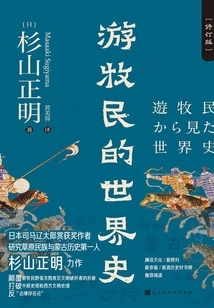
游牧民的世界史(修订版)
(japan) Sugiyama Masaaki
Before the Age of Discovery in the West, Eurasia had always been the main stage of human history. The main theme of the historical development of Eurasia is actually the coexistence, interaction, conflict and integration of nomads and farmers for thousands of years. However, the perspective of Western maritime civilization established since the Age of Discovery and the orthodox view of dynastic history of the Han people have marginalized the nomadic steppe peoples, ignoring the historical fact that nomads once led or triggered many changes in the economy, politics, military, culture and other aspects of Eurasia. Nomads, who once existed as a marginal existence in history, play an active and positive role in this book. Masaaki Sugiyama went beyond the vision centered on Western Europe and China to depict a unique nomadic empire and world history, completely subverting the image of nomads as "barbaric invaders" or "military saboteurs". Therefore, this is a work that breaks the historical perspective of the Central Plains and Western civilization and looks at the Eurasian continent!
Before the Age of Discovery in the West, Eurasia had always been the main stage of human history. The main theme of the historical development of Eurasia is actually the coexistence, interaction, conflict and integration of nomads and farmers for thousands of years. However, the perspective of Western maritime civilization established since the Age of Discovery and the orthodox view of dynastic history of the Han people have marginalized the nomadic steppe peoples, ignoring the historical fact that nomads once led or triggered many changes in the economy, politics, military, culture and other aspects of Eurasia. Nomads, who once existed as a marginal existence in history, play an active and positive role in this book. Masaaki Sugiyama went beyond the vision centered on Western Europe and China to depict a unique nomadic empire and world history, completely subverting the image of nomads as "barbaric invaders" or "military saboteurs". Therefore, this is a work that breaks the historical perspective of the Central Plains and Western civilization and looks at the Eurasian continent!

蒙古帝国与其漫长的后世(讲谈社·兴亡的世界史 04)
(japan) Sugiyama Masaaki
"The Mongol Empire and its Long Posterity (Kodansha·Rise and Fall of World History 04)" Why is the Mongol Empire said to be the beginning of world history? How did the galloping conquerors of the Eurasian steppe view themselves? Why is the image of the Mongol Empire always negative in Russia and Europe? The Russian Empire, the Ottoman Empire, the Mughal Empire, the Ming and Qing Empire all inherited the Mongolian heritage? Is there still any connection with the Mongol Empire in today's era?
"The Mongol Empire and its Long Posterity (Kodansha·Rise and Fall of World History 04)" Why is the Mongol Empire said to be the beginning of world history? How did the galloping conquerors of the Eurasian steppe view themselves? Why is the image of the Mongol Empire always negative in Russia and Europe? The Russian Empire, the Ottoman Empire, the Mughal Empire, the Ming and Qing Empire all inherited the Mongolian heritage? Is there still any connection with the Mongol Empire in today's era?