Library
Browse and search books
5 novels found
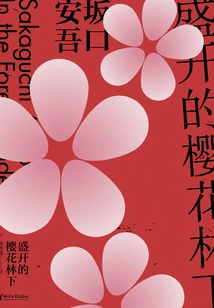
Blooming Cherry Blossom Forest
General Fiction盛开的樱花林下
(japan) Sakaguchi Ango
Sakaguchi Ango's Weidan: A collection of masterpieces of strange novels, a literary master as famous as Dazai Osamu. The prototype character of the popular Japanese anime "Bungou Stray Dogs", the original work of the Japanese anime "Ao no Literary" series, reproduces the eccentric and coquettish and feminine classical aesthetic extremes in Japanese Kaidan writing, the standard bearer of Japan's post-war "rogue school" literature, a Japanese literary giant highly praised by Kawabata Yasunari and Mishima Yukio. A collection of masterpieces of weird novels by Sakaguchi Ango, the standard bearer of Japan's postwar "rogue faction". This book contains a total of 10 famous novels by Sakaguchi Ango, namely "Under the Blooming Cherry Blossoms", "Zen Monk", "Nagahime and the Ear Man", "Idle Mountain", "Shidai Nagon", 5 strange novels, "Dr. Wind", "Eye of Arrogance", "About Incomprehensible Broken Love", "Idiot" and "The Woman Who Washed the Green Ghost's Loincloth". These 10 novels cover various stages of Ango's creative career and basically show the overall style of his novel creation. In particular, "Under the Blooming Cherry Blossoms" is the representative novel, which revolves around the lives of bandits and stolen brides. The story is interesting and strange, with a cold and strange atmosphere. It has the characteristics of a storybook novel and can be called the masterpiece of Japanese ghost story-style storytellers. Among the weird novels, "The Idiot" is the most famous. After being published in 1946, it was praised as "a model of Japanese post-war literature". The novel centers on a man fleeing with a mad woman during the war, reflecting Japan's wartime suffering and the madness of the people. Sakaguchi Ango's masterpiece of Kaidan and Weibo novels profoundly expresses Japanese classical cruelty and aesthetics, as well as reflections on the relationship between men and women during the war. The weird plot setting reflects his unique view of human nature, and has become one of the most popular Japanese classic novels among readers.
Sakaguchi Ango's Weidan: A collection of masterpieces of strange novels, a literary master as famous as Dazai Osamu. The prototype character of the popular Japanese anime "Bungou Stray Dogs", the original work of the Japanese anime "Ao no Literary" series, reproduces the eccentric and coquettish and feminine classical aesthetic extremes in Japanese Kaidan writing, the standard bearer of Japan's post-war "rogue school" literature, a Japanese literary giant highly praised by Kawabata Yasunari and Mishima Yukio. A collection of masterpieces of weird novels by Sakaguchi Ango, the standard bearer of Japan's postwar "rogue faction". This book contains a total of 10 famous novels by Sakaguchi Ango, namely "Under the Blooming Cherry Blossoms", "Zen Monk", "Nagahime and the Ear Man", "Idle Mountain", "Shidai Nagon", 5 strange novels, "Dr. Wind", "Eye of Arrogance", "About Incomprehensible Broken Love", "Idiot" and "The Woman Who Washed the Green Ghost's Loincloth". These 10 novels cover various stages of Ango's creative career and basically show the overall style of his novel creation. In particular, "Under the Blooming Cherry Blossoms" is the representative novel, which revolves around the lives of bandits and stolen brides. The story is interesting and strange, with a cold and strange atmosphere. It has the characteristics of a storybook novel and can be called the masterpiece of Japanese ghost story-style storytellers. Among the weird novels, "The Idiot" is the most famous. After being published in 1946, it was praised as "a model of Japanese post-war literature". The novel centers on a man fleeing with a mad woman during the war, reflecting Japan's wartime suffering and the madness of the people. Sakaguchi Ango's masterpiece of Kaidan and Weibo novels profoundly expresses Japanese classical cruelty and aesthetics, as well as reflections on the relationship between men and women during the war. The weird plot setting reflects his unique view of human nature, and has become one of the most popular Japanese classic novels among readers.
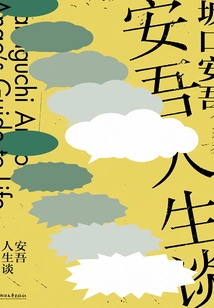
Talk About My Life
Literature安吾人生谈
(japan) Sakaguchi Ango
"Talker" Ango Sakaguchi's miscellaneous collection of classic crime stories, a post-war Japanese crime version of "Three Words and Two Patterns"; the first complete translation and publication in China after being out of print in Japan for 50 years, the prototype character of the popular Japanese anime "Bungou Stray Dogs". Collecting strange cases in the streets and alleys, the bizarre and bizarre world of the world is interpreted with laughter and curses. The standard bearer of "rogue school" literature as famous as Dazai Osamu, a literary master highly praised by Kawabata Yasunari and Mishima Yukio. "Ango Life Story" is a collection of Sakaguchi Ango's classic crime stories. This book is divided into two parts: "An Wu Life Talk" and "My Outlook on Life". In "Anwu Life Talk", the author transforms into a "street talker" and uses the collected notes of criminals to vividly restore crime stories and attach wonderful comments and miscellaneous remarks. Through the restoration and analysis of a hot case in Japanese society at that time, it pointed out the crux and ideological problems of society at that time in a sharp and humorous manner, and criticized the darkness of human nature. "My Outlook on Life" contains eight of his current affairs essays, combining the social events happening around him to interpret the bizarre social and life situations at that time. "Ango Life Story" was published in a single volume in Japan from the 1960s to the 1980s. After that, it was out of print for more than 30 years. In February 2019, a Japanese publishing house republished it in a single volume. This book is the first translation and publication in China. It is of great significance for domestic readers of Sakaguchi Ango to learn more about the author's thoughts and the situation of Japanese society at that time.
"Talker" Ango Sakaguchi's miscellaneous collection of classic crime stories, a post-war Japanese crime version of "Three Words and Two Patterns"; the first complete translation and publication in China after being out of print in Japan for 50 years, the prototype character of the popular Japanese anime "Bungou Stray Dogs". Collecting strange cases in the streets and alleys, the bizarre and bizarre world of the world is interpreted with laughter and curses. The standard bearer of "rogue school" literature as famous as Dazai Osamu, a literary master highly praised by Kawabata Yasunari and Mishima Yukio. "Ango Life Story" is a collection of Sakaguchi Ango's classic crime stories. This book is divided into two parts: "An Wu Life Talk" and "My Outlook on Life". In "Anwu Life Talk", the author transforms into a "street talker" and uses the collected notes of criminals to vividly restore crime stories and attach wonderful comments and miscellaneous remarks. Through the restoration and analysis of a hot case in Japanese society at that time, it pointed out the crux and ideological problems of society at that time in a sharp and humorous manner, and criticized the darkness of human nature. "My Outlook on Life" contains eight of his current affairs essays, combining the social events happening around him to interpret the bizarre social and life situations at that time. "Ango Life Story" was published in a single volume in Japan from the 1960s to the 1980s. After that, it was out of print for more than 30 years. In February 2019, a Japanese publishing house republished it in a single volume. This book is the first translation and publication in China. It is of great significance for domestic readers of Sakaguchi Ango to learn more about the author's thoughts and the situation of Japanese society at that time.

“退步主义四重奏”:坂口安吾系列(套装共4册)
(japan) Sakaguchi Ango
The first domestic publication of Sakaguchi Ango's works in a series format; the standard-bearer of the "rogue faction" as famous as Dazai Osamu, a literary master highly respected by Kawabata Yasunari and Mishima Yukio; the prototype character of Japan's super popular animation "Bungou Stray Dogs", and the original novel of the popular animation "Ao no Literary" series. A collection of masterpieces of weird novels by Sakaguchi Ango, the standard bearer of Japan's postwar "rogue faction". This book contains a total of 10 famous novels by Sakaguchi Ango, namely "Under the Blooming Cherry Blossoms", "Zen Monk", "Nagahime and the Ear Man", "Idle Mountain", "Shidai Nagon", 5 strange novels, "Dr. Wind", "Eye of Arrogance", "About Incomprehensible Broken Love", "Idiot" and "The Woman Who Washed the Green Ghost's Loincloth". These 10 novels cover various stages of Ango's creative career and basically show the overall style of his novel creation. In particular, "Under the Blooming Cherry Blossoms" is the representative novel, which revolves around the lives of bandits and stolen brides. The story is interesting and strange, with a cold and strange atmosphere. It has the characteristics of a storybook novel and can be called the masterpiece of Japanese ghost story-style storytellers. Among the weird novels, "The Idiot" is the most famous. After being published in 1946, it was praised as "a model of Japanese post-war literature". The novel centers on a man fleeing with a mad woman during the war, reflecting Japan's wartime suffering and the madness of the people. Sakaguchi Ango's masterpiece of Kaidan and Weibo novels profoundly expresses Japanese classical cruelty and aesthetics, as well as reflections on the relationship between men and women during the war. The weird plot setting reflects his unique view of human nature, and has become one of the most popular Japanese classic novels among readers. "On Degeneration" is the representative work of Sakaguchi Ango, the standard-bearer of Japan's postwar "rogue school" literature. In addition to "On Degeneration", this book also includes 16 representative essays, including "On Degeneration", "The Emperor's Short Essay", "On Decadent Literature", "On Youth", and "A Death Test on Dazai's Love", for a total of 17 articles. Through these critical articles that overturned Japan's old moral order, Sakaguchi Ango called for the postwar Japanese to liberate themselves from the moral principles established by the old system, return to their natural humanity, and "fall" from the false clouds to the human world. The "fall" Sakaguchi refers to is to shed all hypocrisy and "return to the state of real people." For this reason, Sakaguchi Ango was hailed as a "great regressor" by Japanese intellectual circles and literary critics with his "loser philosophy" ideological level. "Ango Life Story" is a collection of Sakaguchi Ango's classic crime stories. This book is divided into two parts: "An Wu Life Talk" and "My Outlook on Life". In "Anwu Life Talk", the author transforms into a "street talker" and uses the collected notes of criminals to vividly restore crime stories and attach wonderful comments and miscellaneous remarks. Through the restoration and analysis of a hot case in Japanese society at that time, it pointed out the crux and ideological problems of society at that time in a sharp and humorous manner, and criticized the darkness of human nature. "My Outlook on Life" contains eight of his current affairs essays, combining the social events happening around him to interpret the bizarre social and life situations at that time. "Ango Life Story" was published in a single volume in Japan from the 1960s to the 1980s. After that, it was out of print for more than 30 years. In February 2019, a Japanese publishing house republished it in a single volume. This book is the first translation and publication in China. It is of great significance for domestic readers of Sakaguchi Ango to learn more about the author's thoughts and the situation of Japanese society at that time. "Continuous Murder" is the only full-length mystery novel written by Ango Sakaguchi. It subverts common sense criminal methods and inner games, and solves the shocking conspiracy behind eight murder cases. It is an immortal masterpiece in the history of Japanese mystery novels. The author sets the background of the story in the summer of 1947. At the mountain villa of Utagawa Tamon, a large Japanese conglomerate at that time, there were more than 20 scholars, poets, writers, doctors, etc. Who came to spend the summer. The interpersonal relationships were complicated and entangled with love and hatred. After receiving the threatening letter, eight murders occurred one after another, and the Utagawa family was destroyed. Throughout the process, the author does not use the "alibi" and "impossible crime" routines commonly used in mystery novels. It is obvious that the crimes are committed continuously, but it makes people unable to see a consistent motive, and even cannot predict the next victim. But there is a shocking conspiracy behind these murders. When this mystery novel was first serialized, the author attached a "Challenge to Readers" at the end of each article, stating that whoever guessed the murderer would pay his royalties. Osamu Dazai also participated in the guessing of the murderer, but unfortunately the challenge failed. After the novel was officially published, it won the Novel Award at the 2nd Detective Writers Club Award (later renamed the "Mystery Writers Association Award") in the second month. It became a model work of Japan's postwar "honkaku" mystery novels and has been popular in Japan for more than half a century.
The first domestic publication of Sakaguchi Ango's works in a series format; the standard-bearer of the "rogue faction" as famous as Dazai Osamu, a literary master highly respected by Kawabata Yasunari and Mishima Yukio; the prototype character of Japan's super popular animation "Bungou Stray Dogs", and the original novel of the popular animation "Ao no Literary" series. A collection of masterpieces of weird novels by Sakaguchi Ango, the standard bearer of Japan's postwar "rogue faction". This book contains a total of 10 famous novels by Sakaguchi Ango, namely "Under the Blooming Cherry Blossoms", "Zen Monk", "Nagahime and the Ear Man", "Idle Mountain", "Shidai Nagon", 5 strange novels, "Dr. Wind", "Eye of Arrogance", "About Incomprehensible Broken Love", "Idiot" and "The Woman Who Washed the Green Ghost's Loincloth". These 10 novels cover various stages of Ango's creative career and basically show the overall style of his novel creation. In particular, "Under the Blooming Cherry Blossoms" is the representative novel, which revolves around the lives of bandits and stolen brides. The story is interesting and strange, with a cold and strange atmosphere. It has the characteristics of a storybook novel and can be called the masterpiece of Japanese ghost story-style storytellers. Among the weird novels, "The Idiot" is the most famous. After being published in 1946, it was praised as "a model of Japanese post-war literature". The novel centers on a man fleeing with a mad woman during the war, reflecting Japan's wartime suffering and the madness of the people. Sakaguchi Ango's masterpiece of Kaidan and Weibo novels profoundly expresses Japanese classical cruelty and aesthetics, as well as reflections on the relationship between men and women during the war. The weird plot setting reflects his unique view of human nature, and has become one of the most popular Japanese classic novels among readers. "On Degeneration" is the representative work of Sakaguchi Ango, the standard-bearer of Japan's postwar "rogue school" literature. In addition to "On Degeneration", this book also includes 16 representative essays, including "On Degeneration", "The Emperor's Short Essay", "On Decadent Literature", "On Youth", and "A Death Test on Dazai's Love", for a total of 17 articles. Through these critical articles that overturned Japan's old moral order, Sakaguchi Ango called for the postwar Japanese to liberate themselves from the moral principles established by the old system, return to their natural humanity, and "fall" from the false clouds to the human world. The "fall" Sakaguchi refers to is to shed all hypocrisy and "return to the state of real people." For this reason, Sakaguchi Ango was hailed as a "great regressor" by Japanese intellectual circles and literary critics with his "loser philosophy" ideological level. "Ango Life Story" is a collection of Sakaguchi Ango's classic crime stories. This book is divided into two parts: "An Wu Life Talk" and "My Outlook on Life". In "Anwu Life Talk", the author transforms into a "street talker" and uses the collected notes of criminals to vividly restore crime stories and attach wonderful comments and miscellaneous remarks. Through the restoration and analysis of a hot case in Japanese society at that time, it pointed out the crux and ideological problems of society at that time in a sharp and humorous manner, and criticized the darkness of human nature. "My Outlook on Life" contains eight of his current affairs essays, combining the social events happening around him to interpret the bizarre social and life situations at that time. "Ango Life Story" was published in a single volume in Japan from the 1960s to the 1980s. After that, it was out of print for more than 30 years. In February 2019, a Japanese publishing house republished it in a single volume. This book is the first translation and publication in China. It is of great significance for domestic readers of Sakaguchi Ango to learn more about the author's thoughts and the situation of Japanese society at that time. "Continuous Murder" is the only full-length mystery novel written by Ango Sakaguchi. It subverts common sense criminal methods and inner games, and solves the shocking conspiracy behind eight murder cases. It is an immortal masterpiece in the history of Japanese mystery novels. The author sets the background of the story in the summer of 1947. At the mountain villa of Utagawa Tamon, a large Japanese conglomerate at that time, there were more than 20 scholars, poets, writers, doctors, etc. Who came to spend the summer. The interpersonal relationships were complicated and entangled with love and hatred. After receiving the threatening letter, eight murders occurred one after another, and the Utagawa family was destroyed. Throughout the process, the author does not use the "alibi" and "impossible crime" routines commonly used in mystery novels. It is obvious that the crimes are committed continuously, but it makes people unable to see a consistent motive, and even cannot predict the next victim. But there is a shocking conspiracy behind these murders. When this mystery novel was first serialized, the author attached a "Challenge to Readers" at the end of each article, stating that whoever guessed the murderer would pay his royalties. Osamu Dazai also participated in the guessing of the murderer, but unfortunately the challenge failed. After the novel was officially published, it won the Novel Award at the 2nd Detective Writers Club Award (later renamed the "Mystery Writers Association Award") in the second month. It became a model work of Japan's postwar "honkaku" mystery novels and has been popular in Japan for more than half a century.
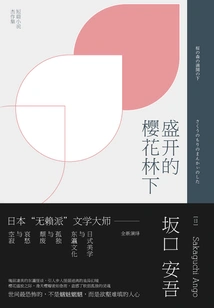
Blooming Cherry Blossom Forest
General Fiction盛开的樱花林下
(japan) Sakaguchi Ango
When the cherry blossoms are in full bloom, the petals all over the sky are as dense as a torrential rain, bewitching the weak and lonely souls. , A new interpretation of Japanese culture and Japanese aesthetics) (The most terrifying thing in the world is not monsters and monsters, but the human heart with insatiable desires) The magnificent and poignant Japanese ghost stories lead people into a weird and confusing fantasy world.
When the cherry blossoms are in full bloom, the petals all over the sky are as dense as a torrential rain, bewitching the weak and lonely souls. , A new interpretation of Japanese culture and Japanese aesthetics) (The most terrifying thing in the world is not monsters and monsters, but the human heart with insatiable desires) The magnificent and poignant Japanese ghost stories lead people into a weird and confusing fantasy world.

Talk About My Life
General Fiction安吾人生谈
(japan) Sakaguchi Ango
People live in a bizarre society, and monsters and monsters are also born in the human heart. Ghost stories are scary, but the stories that actually happen around us are chilling, and the unpredictability of people's hearts is the scariest thing. Sakaguchi Ango, another representative of the "rogue faction", uses stories from his life to peel off the mask of life for us and face the most naked truth. For readers who like "Anwu Lane Talk", this book will not disappoint you. Sakaguchi Ango (1906-1955) is the standard-bearer of the "rogue faction" in Japanese post-war literature, and is as famous as Dazai Osamu and Ishikawa Jun. In 1931, he published the novels "Dr. Wind" and "Kurotani Village", which were appreciated by famous writers Shimazaki Fujimura and others, and he has since been recognized by the Japanese literary world. In June 1946, he published his masterpiece "The Idiot", which became "a model of Japanese post-war literature" and thus established his status as a representative writer of the "rogue faction".
People live in a bizarre society, and monsters and monsters are also born in the human heart. Ghost stories are scary, but the stories that actually happen around us are chilling, and the unpredictability of people's hearts is the scariest thing. Sakaguchi Ango, another representative of the "rogue faction", uses stories from his life to peel off the mask of life for us and face the most naked truth. For readers who like "Anwu Lane Talk", this book will not disappoint you. Sakaguchi Ango (1906-1955) is the standard-bearer of the "rogue faction" in Japanese post-war literature, and is as famous as Dazai Osamu and Ishikawa Jun. In 1931, he published the novels "Dr. Wind" and "Kurotani Village", which were appreciated by famous writers Shimazaki Fujimura and others, and he has since been recognized by the Japanese literary world. In June 1946, he published his masterpiece "The Idiot", which became "a model of Japanese post-war literature" and thus established his status as a representative writer of the "rogue faction".