Library
Browse and search books
1 novel found
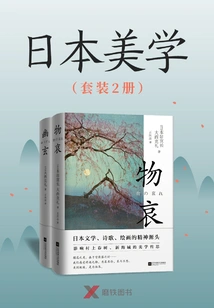
Japanese Aesthetics (set of 2 Volumes)
Literature日本美学(套装2册)
(japan) Motoi Nobunaga Ohnishikari
"Mono-Ai" is about: Thousands of years ago, Murasaki Shikibu wrote the earliest Japanese aesthetic expression - Mono-Ai in "The Tale of Genji". Lament is pity, exclamation, praise, and is a direct voice from the heart. Flowers, birds, wind and moon, the passing of four seasons, nature reflects the impermanence of human beings and issues death warnings. All things are fleeting. Classical material mourning recalls the wind, flowers, snow and moon in the old age, and the heart yearns for it. Motoi Nobunaga, a master of Japanese Chinese studies, defined Mono-ai as the "heart of knowing things". Mono-ai is the change of posture of feeling the scenery, so that the unspeakable can be presented. The classic object of mourning is the falling cherry blossom. Watching the cherry blossoms fall, we feel beauty and death. Life is short, so there is objective indifference, enthusiasm, or sadness, all of which are in line with the definition of beauty. The beautiful material mourning symbolizes the purification and detachment of human beings after realizing the limitations of life, and turning around to talk about true emotions. "Youxuan" talks about: Youxuan is the mystery, Xuan is the mysterious blackness, Youxuan originally refers to the deep state of the dry heart, and the true meaning of life's impermanence. The metaphysical mystery develops rich aesthetic connotations in each Japanese song, including concealment, silence, enchantment, and freehand brushwork. Finally, it is harmonized into a kind of beauty pursued in darkness. Bring in shadows, not light. Find beauty in the shadows and use the shadows for the purpose of beauty. Japanese gardens, Japanese rooms, alcoves... The dark and beautiful spaces are filled with eternal silence, tranquility, and distant and mysterious feelings, which have become a classic of oriental aesthetics with a mysterious color.
"Mono-Ai" is about: Thousands of years ago, Murasaki Shikibu wrote the earliest Japanese aesthetic expression - Mono-Ai in "The Tale of Genji". Lament is pity, exclamation, praise, and is a direct voice from the heart. Flowers, birds, wind and moon, the passing of four seasons, nature reflects the impermanence of human beings and issues death warnings. All things are fleeting. Classical material mourning recalls the wind, flowers, snow and moon in the old age, and the heart yearns for it. Motoi Nobunaga, a master of Japanese Chinese studies, defined Mono-ai as the "heart of knowing things". Mono-ai is the change of posture of feeling the scenery, so that the unspeakable can be presented. The classic object of mourning is the falling cherry blossom. Watching the cherry blossoms fall, we feel beauty and death. Life is short, so there is objective indifference, enthusiasm, or sadness, all of which are in line with the definition of beauty. The beautiful material mourning symbolizes the purification and detachment of human beings after realizing the limitations of life, and turning around to talk about true emotions. "Youxuan" talks about: Youxuan is the mystery, Xuan is the mysterious blackness, Youxuan originally refers to the deep state of the dry heart, and the true meaning of life's impermanence. The metaphysical mystery develops rich aesthetic connotations in each Japanese song, including concealment, silence, enchantment, and freehand brushwork. Finally, it is harmonized into a kind of beauty pursued in darkness. Bring in shadows, not light. Find beauty in the shadows and use the shadows for the purpose of beauty. Japanese gardens, Japanese rooms, alcoves... The dark and beautiful spaces are filled with eternal silence, tranquility, and distant and mysterious feelings, which have become a classic of oriental aesthetics with a mysterious color.