Library
Browse and search books
4 novels found

Selected Short Stories by Miyazawa Kenji (chinese Version)
General Fiction宫泽贤治短篇作品选(中文版)
(japan) Miyazawa Kenji
He is a well-known imagination master in Japan; he is the source of inspiration for countless modern artists; he loves nature and life; he has suffered from poverty and illness throughout his life, but he voluntarily devoted himself to his ideals and continued to burn goodwill throughout his life... He is Miyazawa Kenji. "Not Lost to the Rain", "Acorns and Lynx", "The Restaurant with Demands", "Otsbell and the Elephant", "The Cat's Office", "Nighthawks", "Gosh on the Cello"... Seven heart-warming stories that heal the soul, and even Miyazaki Hayao couldn't help but admire the wonderful imagination. In Xianji's bizarre world, there is not a single lie, but only the pure and transparent breeze and the beautiful peach-colored sunshine in the morning. Reading Kenji Miyazawa, you can appreciate the world, life, and people's hearts.
He is a well-known imagination master in Japan; he is the source of inspiration for countless modern artists; he loves nature and life; he has suffered from poverty and illness throughout his life, but he voluntarily devoted himself to his ideals and continued to burn goodwill throughout his life... He is Miyazawa Kenji. "Not Lost to the Rain", "Acorns and Lynx", "The Restaurant with Demands", "Otsbell and the Elephant", "The Cat's Office", "Nighthawks", "Gosh on the Cello"... Seven heart-warming stories that heal the soul, and even Miyazaki Hayao couldn't help but admire the wonderful imagination. In Xianji's bizarre world, there is not a single lie, but only the pure and transparent breeze and the beautiful peach-colored sunshine in the morning. Reading Kenji Miyazawa, you can appreciate the world, life, and people's hearts.
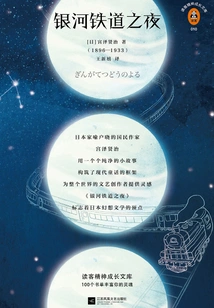
Galaxy Railway Night
General Fiction银河铁道之夜
(japan) Miyazawa Kenji
The inspiration for Japanese animation legend Ghibli. Collection of all representative fairy tales of Japan's "Andersen" Miyazawa Kenji. Kenji Miyazawa, a well-known national writer in Japan, uses pure short stories to build the framework of modern fairy tales, providing inspiration for literary and artistic creators around the world. "Night on the Galaxy Railroad" marks the pinnacle of Japanese fantasy literature. This book selects 16 representative works of Miyazawa Kenji. In the selection of "Japanese people's favorite writers for a thousand years", Miyazawa Kenji's influence is higher than Dazai Osamu and Murakami Haruki.
The inspiration for Japanese animation legend Ghibli. Collection of all representative fairy tales of Japan's "Andersen" Miyazawa Kenji. Kenji Miyazawa, a well-known national writer in Japan, uses pure short stories to build the framework of modern fairy tales, providing inspiration for literary and artistic creators around the world. "Night on the Galaxy Railroad" marks the pinnacle of Japanese fantasy literature. This book selects 16 representative works of Miyazawa Kenji. In the selection of "Japanese people's favorite writers for a thousand years", Miyazawa Kenji's influence is higher than Dazai Osamu and Murakami Haruki.
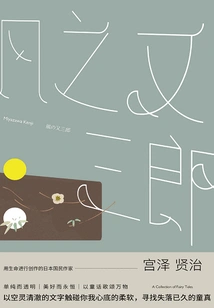
Kaze Matasaburo
Literature风之又三郎
(japan) Miyazawa Kenji
This book collects 16 popular fairy tales represented by the Japanese fairy tale master Kenji Miyazawa, including "Kaze no Matasaburo". In "The Biography of Gusko Budori", Gusko Budori sacrificed himself to prevent people from being affected by the cold wave, and in "Kenju Forest Park" the simple, kind and unrewarded Kenju are all true portrayals of Miyazawa Kenji himself; and "Kaze no Matasaburo" The friendship between Nakazaburo and his classmates and the description of the natural scenery, the discussion of the law of the jungle in "Twenty-Six Nights", and the journey of the little rabbit Hermon from good to evil in "Shell of Fire" all demonstrate the rich charm and profound connotation of Miyazawa Kenji's works. Miyazawa Kenji integrates his compassion and kindness into his pure and highly creative writings, leading readers to experience the beauty of nature and regain the innocence in their hearts.
This book collects 16 popular fairy tales represented by the Japanese fairy tale master Kenji Miyazawa, including "Kaze no Matasaburo". In "The Biography of Gusko Budori", Gusko Budori sacrificed himself to prevent people from being affected by the cold wave, and in "Kenju Forest Park" the simple, kind and unrewarded Kenju are all true portrayals of Miyazawa Kenji himself; and "Kaze no Matasaburo" The friendship between Nakazaburo and his classmates and the description of the natural scenery, the discussion of the law of the jungle in "Twenty-Six Nights", and the journey of the little rabbit Hermon from good to evil in "Shell of Fire" all demonstrate the rich charm and profound connotation of Miyazawa Kenji's works. Miyazawa Kenji integrates his compassion and kindness into his pure and highly creative writings, leading readers to experience the beauty of nature and regain the innocence in their hearts.
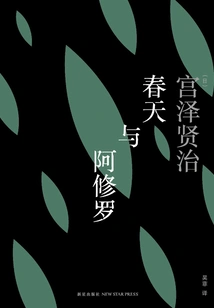
Spring and Asura
Literature春天与阿修罗
(japan) Miyazawa Kenji
Miyazawa Kenji was selected as the fourth great writer of the millennium in Japan's voting, and he is also a unique style among Showa poets. He pioneered the cosmic poetry style, represented the early achievements of modern poetry, and influenced many poets such as Nakahara Chuuya and Tanigawa Shuntaro. "Spring and Asura" is a collection of poems by Miyazawa Kenji. Japanese literature and poetry translator Wu Fei has carefully translated it, and the appendix contains extensive annotations to analyze the unique "Miyazawa vocabulary".
Miyazawa Kenji was selected as the fourth great writer of the millennium in Japan's voting, and he is also a unique style among Showa poets. He pioneered the cosmic poetry style, represented the early achievements of modern poetry, and influenced many poets such as Nakahara Chuuya and Tanigawa Shuntaro. "Spring and Asura" is a collection of poems by Miyazawa Kenji. Japanese literature and poetry translator Wu Fei has carefully translated it, and the appendix contains extensive annotations to analyze the unique "Miyazawa vocabulary".