Library
Browse and search books
1 novel found
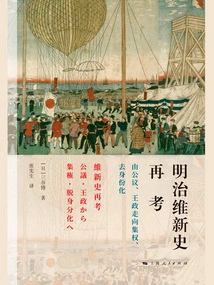
明治维新史再考:由公议、王政走向集权、去身份化
(japan) Mitani Hiroshi
What the powerful feudal lords at the end of the shogunate pursued was not the overthrow of the shogunate by force, but the "public opinion" that strengthened the shogunate's system. From this point of view, the Meiji Restoration gradually developed into the pursuit and exploration of the "restoration of imperial government" and the centralized system, which eventually led to the disintegration of the hereditary identity system. This book uses the coherent perspective of "the cycle of problem solving and power struggle" to describe the changing process of the Meiji Restoration. This book is a comprehensive work by Hiroshi Mitani, a famous researcher on the history of the Meiji Restoration and emeritus professor at the University of Tokyo. It starts from the historical background of modern times, combines the international environment and world order, pays attention to historical comparison, and presents a comprehensive picture of Japanese society and politics from the end of the Tokugawa period to the early years of Meiji. The author opposes the most common research on characters or single objects in the field of Meiji Restoration history, that is, heroic stories about "a specific person or a certain feudal lord's achievements." He emphasizes the collision of different political opinions and the process of power games among various forces in Japan at the end of the Tokugawa period (shogunate, court, public family, strong feudal lords, etc.), Subverting the inherent historical conclusions and presenting readers with a brand new narrative of the Meiji Restoration.
What the powerful feudal lords at the end of the shogunate pursued was not the overthrow of the shogunate by force, but the "public opinion" that strengthened the shogunate's system. From this point of view, the Meiji Restoration gradually developed into the pursuit and exploration of the "restoration of imperial government" and the centralized system, which eventually led to the disintegration of the hereditary identity system. This book uses the coherent perspective of "the cycle of problem solving and power struggle" to describe the changing process of the Meiji Restoration. This book is a comprehensive work by Hiroshi Mitani, a famous researcher on the history of the Meiji Restoration and emeritus professor at the University of Tokyo. It starts from the historical background of modern times, combines the international environment and world order, pays attention to historical comparison, and presents a comprehensive picture of Japanese society and politics from the end of the Tokugawa period to the early years of Meiji. The author opposes the most common research on characters or single objects in the field of Meiji Restoration history, that is, heroic stories about "a specific person or a certain feudal lord's achievements." He emphasizes the collision of different political opinions and the process of power games among various forces in Japan at the end of the Tokugawa period (shogunate, court, public family, strong feudal lords, etc.), Subverting the inherent historical conclusions and presenting readers with a brand new narrative of the Meiji Restoration.