Library
Browse and search books
6 novels found
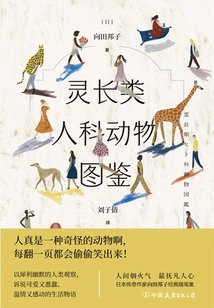
灵长类人科动物图鉴
(japan) Kuniko Mukuda
Is trying something on but not buying it considered a spiritual affair? Are monks embarrassed when they charge fees for performing religious services? Soft, colorless, seemingly scheming white tofu, what's so delicious about it? The human knowledge of giving and returning gifts makes everyone an Oscar-winner on the run. Kuniko Mukoda is like a chef who cooks all the flavors of life, from childhood, men and women, family to friends, society, travel... It not only has a relaxed and humorous vision, but also keenly writes the quietly hidden parts of human beings, resurrecting a real and tangible life history in an interesting way.
Is trying something on but not buying it considered a spiritual affair? Are monks embarrassed when they charge fees for performing religious services? Soft, colorless, seemingly scheming white tofu, what's so delicious about it? The human knowledge of giving and returning gifts makes everyone an Oscar-winner on the run. Kuniko Mukoda is like a chef who cooks all the flavors of life, from childhood, men and women, family to friends, society, travel... It not only has a relaxed and humorous vision, but also keenly writes the quietly hidden parts of human beings, resurrecting a real and tangible life history in an interesting way.
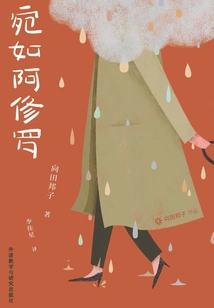
Like Asura
General Fiction宛如阿修罗
(japan) Kuniko Mukuda
In 2016, on the 35th anniversary of Kuniko Mukoda's death in a plane crash, the TV series "Doudou TV" once again reminded people of the grace of a generation of Japanese drama queens. She was once a "gold medal screenwriter" in the Japanese television industry. Her classic dramas dominated Japanese screens in the 1960s and 1970s, and were even must-broadcast dramas during the New Year. Her works not only reflect the optimism and confidence of Japan's economic boom period, but also are full of the innocence and warmth of the old era. "Like Asura" is one of Kuniko Mukoda's masterpieces. It describes the dilemma of modern women facing betrayal in their married life. Tormented by betrayal and irresistible life changes, they had no choice but to bear it, and their personalities were distorted, turning into "Asuras" with different appearances and hateful faces.
In 2016, on the 35th anniversary of Kuniko Mukoda's death in a plane crash, the TV series "Doudou TV" once again reminded people of the grace of a generation of Japanese drama queens. She was once a "gold medal screenwriter" in the Japanese television industry. Her classic dramas dominated Japanese screens in the 1960s and 1970s, and were even must-broadcast dramas during the New Year. Her works not only reflect the optimism and confidence of Japan's economic boom period, but also are full of the innocence and warmth of the old era. "Like Asura" is one of Kuniko Mukoda's masterpieces. It describes the dilemma of modern women facing betrayal in their married life. Tormented by betrayal and irresistible life changes, they had no choice but to bear it, and their personalities were distorted, turning into "Asuras" with different appearances and hateful faces.
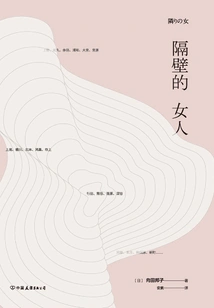
The Woman Next Door
General Fiction隔壁的女人
(japan) Kuniko Mukuda
This book is a representative short story by the Japanese national novelist and playwright Kuniko Mukoda. It contains five novel masterpieces: "The Woman Next Door", "Happiness", "The Room in the Walnut", "Geta", and the author's last work "Spring is Coming". This is Kuniko Mukoda's world and the epitome of her life. She looks at human sorrows and joys with warm eyes, observes men and women from a unique perspective, and uses an embroidery needle to unexpectedly poke small holes in the facade of daily life, giving people a glimpse of the sunny and shady sides of human nature at the same time.
This book is a representative short story by the Japanese national novelist and playwright Kuniko Mukoda. It contains five novel masterpieces: "The Woman Next Door", "Happiness", "The Room in the Walnut", "Geta", and the author's last work "Spring is Coming". This is Kuniko Mukoda's world and the epitome of her life. She looks at human sorrows and joys with warm eyes, observes men and women from a unique perspective, and uses an embroidery needle to unexpectedly poke small holes in the facade of daily life, giving people a glimpse of the sunny and shady sides of human nature at the same time.

Glass Sponge
General Fiction玻璃海绵
(japan) Kuniko Mukuda
"Glass Sponge" - A kind of marine creature from the same cave, also known as "Glass Sponge" because of its beautiful shape like glass. In this "glass house" there was a male and a female pair of shrimps. They lived together since childhood. When they grew up, they could not escape, so they had to live with their "childhood sweetheart" by eating the excrement of glass sponges until they died. In Japan, "glass sponges" are often used as wedding gifts to wish the couple a long life together. "Family chaos" caused by a double bed - Shuji Furuta, the strict company minister, plans a once-in-a-lifetime tryst with his female subordinate who is about to resign. When he was preparing to go to the appointment, his wife Jinzi suddenly came to the company and told his daughter Yanzi that she had ordered a double bed to be delivered to an unknown apartment. It turns out that Yanzi rented a house with Ishizawa, a middle-aged man with a wife and children, without telling her parents, and wanted to start living together. Gutian was furious. In order to separate the two, he rushed to the secret apartment several times. The originally peaceful Gutian family was also in chaos. After repeated conflicts, entanglements and annoyances, the father actually cherished each other and established a wonderful "friendship" with his daughter's affair partner... In the ordinary and profound dialogue, a family picture with laughter and tears slowly unfolded.
"Glass Sponge" - A kind of marine creature from the same cave, also known as "Glass Sponge" because of its beautiful shape like glass. In this "glass house" there was a male and a female pair of shrimps. They lived together since childhood. When they grew up, they could not escape, so they had to live with their "childhood sweetheart" by eating the excrement of glass sponges until they died. In Japan, "glass sponges" are often used as wedding gifts to wish the couple a long life together. "Family chaos" caused by a double bed - Shuji Furuta, the strict company minister, plans a once-in-a-lifetime tryst with his female subordinate who is about to resign. When he was preparing to go to the appointment, his wife Jinzi suddenly came to the company and told his daughter Yanzi that she had ordered a double bed to be delivered to an unknown apartment. It turns out that Yanzi rented a house with Ishizawa, a middle-aged man with a wife and children, without telling her parents, and wanted to start living together. Gutian was furious. In order to separate the two, he rushed to the secret apartment several times. The originally peaceful Gutian family was also in chaos. After repeated conflicts, entanglements and annoyances, the father actually cherished each other and established a wonderful "friendship" with his daughter's affair partner... In the ordinary and profound dialogue, a family picture with laughter and tears slowly unfolded.
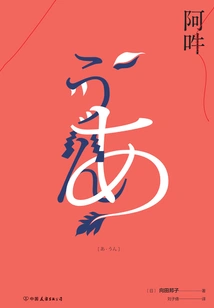
Ah Hum
General Fiction阿吽
(japan) Kuniko Mukuda
Ah (pronounced hōng) is a pair of stone statues of Koma dogs in front of the shrine. The one who opens his mouth is Ah, and the one who closes his mouth is Hum. "Ah" means the close friendship that is connected by breathing. Kadokura Shuzo is handsome, and almost every woman will look back at him when he walks on the street; Mizuta Senkichi is just the opposite, an ordinary middle-aged man. The two worlds are as different as each other, but their relationship is as close as the stone-carved mythical beast dogs "Ah" and "Hum" in front of the shrine. Secretly, Kadokura has a silent affection for Senji's wife, Tamei, who also falls in love with the handsome Kadokura. Until the eve of the war, the hidden curtains almost broke through and were lifted one by one...
Ah (pronounced hōng) is a pair of stone statues of Koma dogs in front of the shrine. The one who opens his mouth is Ah, and the one who closes his mouth is Hum. "Ah" means the close friendship that is connected by breathing. Kadokura Shuzo is handsome, and almost every woman will look back at him when he walks on the street; Mizuta Senkichi is just the opposite, an ordinary middle-aged man. The two worlds are as different as each other, but their relationship is as close as the stone-carved mythical beast dogs "Ah" and "Hum" in front of the shrine. Secretly, Kadokura has a silent affection for Senji's wife, Tamei, who also falls in love with the handsome Kadokura. Until the eve of the war, the hidden curtains almost broke through and were lifted one by one...
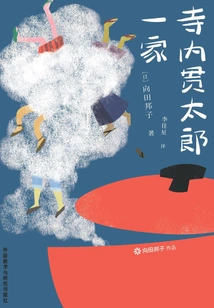
Temple Kantaro's Family
General Fiction寺内贯太郎一家
(japan) Kuniko Mukuda
"Terauchi Kantaro and His Family" was a hit TV series in Japan in the 1970s. The playwright Kuniko Mukoda used her father as the prototype to vividly depict the daily life of a three-generation family in Shitamachi, Japan, and included topics such as life, old age, illness and death, love and loneliness. The novel "Terauchi Kantaro's Family" is adapted from the script. As the rambling life progresses, the readers can experience the warmth and warmth of the family and the helplessness of life. The joys and sorrows of life are vividly displayed on the page. The readers can empathize with each other and at the same time quietly comprehend the wisdom and philosophy of life under the funny words.
"Terauchi Kantaro and His Family" was a hit TV series in Japan in the 1970s. The playwright Kuniko Mukoda used her father as the prototype to vividly depict the daily life of a three-generation family in Shitamachi, Japan, and included topics such as life, old age, illness and death, love and loneliness. The novel "Terauchi Kantaro's Family" is adapted from the script. As the rambling life progresses, the readers can experience the warmth and warmth of the family and the helplessness of life. The joys and sorrows of life are vividly displayed on the page. The readers can empathize with each other and at the same time quietly comprehend the wisdom and philosophy of life under the funny words.