Library
Browse and search novels
3 novels found

Japanese Style Painting: Ghost Story
General Fiction和风绘:怪谈
(japan) Koizumi Yakumo
Koizumi Yakumo is not only a novelist, who fictionalizes the strange Japanese stories he excavated and compiled; he is also a Japanese folklorist who is obsessed with studying and exploring the folk customs and spiritual culture of Japan and even Eastern China. This book selects 7 representative works by Koizumi Yakumo, the originator of modern Japanese ghost story literature. "Horai" fully reflects Koizumi Yakumo's yearning for China. "The Story of Aoyagi" also incorporates elements of "The Story of the Ryu Family" in Tang Dynasty legends, as well as famous works such as "The Story of Mu Er Yoshiichi" and "Snow Girl". The bizarre texts combined with exquisite and beautiful pictures make reading ghost stories even better.

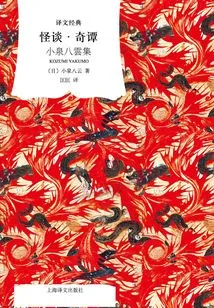
Weird Stories
Literature怪谈
(japan) Koizumi Yakumo
"Ghost Story" was adapted and created by Koizumi Yakumo based on a widely circulated story in Japan after he understood the essence of Japanese culture. It has extremely high literary and aesthetic value. The content covered in the book is extremely rich, some come from history, such as the story of the violinist Hoichi playing the pipa for the souls of the victims who died in the war; some are taken from the folk, such as the story of Tengu and the Snow Girl; some are taken from Chinese literary classics, such as "The Peony Lantern" and "The Carp of Mengying". These stories are dream-like, poignant and touching. They may seem dark and strange, but in fact they point directly to people's hearts and are thought-provoking. In 1964, "Strange Story" was adapted into a movie and won the "Jury Prize" at the Cannes International Film Festival and the "Oscar Best Foreign Language Film" nomination. Many classic scenes in the book have been repeatedly cited in later literary works as well as TV, movies, animation and other works, and have far-reaching influence.

Strange Tales (hardcover Collector's Edition)
General Fiction怪谈(精装典藏本)
(japan) Koizumi Yakumo
"Kaitan (Hardcover Collector's Edition)" is based on the most widely circulated folk tales in Japan, and covers extremely rich contents, such as the grudges of the Heike family that were exterminated due to defeat in Japanese history, stories of fox fairies and willow spirits repaying kindness, and the secrets of ghosts redressing their grievances... ...There is no gorgeous rhetoric in the whole article, but it is filled with a strong unique flavor of traditional Japanese literature and a strong local flavor of Fuso. It is either humorous, warning, or allegorical. It is colorful and changeable, presenting an aesthetic realm of the blending of Eastern and Western civilizations. The horror atmosphere and cultural artistic conception constructed in the book "Keidan (Hardcover Collection)" have profoundly affected the Japanese people's understanding of horror aesthetics. It was adapted into a film in 1964, directed by Masaki Kobayashi. The film won the Jury Prize at the Cannes International Film Festival and was nominated for the Academy Award for Best Foreign Language Film.