Library
Browse and search books
1 novel found
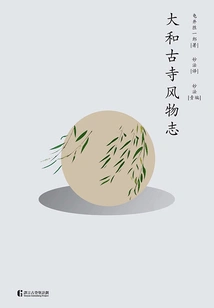
大和古寺风物志
(japan) Kamei Katsuichiro
Kamei Shoichiro was a literary critic who had a close relationship with Dazai Osamu during the Showa era. His works cover religion, art, history, literature, and love concepts. The articles in this book were mainly written in Japan during the war from 1938 to 1942. The author traveled to Ikaruga no Sato, Nishikyo, and Todaiji Kaikuma, and came into contact with ancient (medieval) Japanese Buddhism, and gradually developed faith in Shotoku Taishi and Shinran. People in the Asuka Age suffered a lot. How piously did the people at that time pray to the Three Jewels, and how eagerly did they build a pure land on earth? The author's descriptions of Horyuji Temple, Nakanomiya Temple, Horunji Temple, Yakushiji Temple, Toshodaiji Temple, Todaiji Temple, and Shinyakushiji Temple are lyrical, and his admiration for Prince Shotoku, Emperor Shomu, and others are also throughout the book. He opposed treating Buddha statues as statues and putting them in museums, arguing that Buddha statues are Buddhas and are used for worship. When he saw the dilapidated Buddha statue in the ruins, he could feel the power brought by the statue. In reality, Japan is stuck in the quagmire of war. In an era of ideological confinement, does he secretly reveal his anti-war and peace intentions? This is somewhat intriguing.
Kamei Shoichiro was a literary critic who had a close relationship with Dazai Osamu during the Showa era. His works cover religion, art, history, literature, and love concepts. The articles in this book were mainly written in Japan during the war from 1938 to 1942. The author traveled to Ikaruga no Sato, Nishikyo, and Todaiji Kaikuma, and came into contact with ancient (medieval) Japanese Buddhism, and gradually developed faith in Shotoku Taishi and Shinran. People in the Asuka Age suffered a lot. How piously did the people at that time pray to the Three Jewels, and how eagerly did they build a pure land on earth? The author's descriptions of Horyuji Temple, Nakanomiya Temple, Horunji Temple, Yakushiji Temple, Toshodaiji Temple, Todaiji Temple, and Shinyakushiji Temple are lyrical, and his admiration for Prince Shotoku, Emperor Shomu, and others are also throughout the book. He opposed treating Buddha statues as statues and putting them in museums, arguing that Buddha statues are Buddhas and are used for worship. When he saw the dilapidated Buddha statue in the ruins, he could feel the power brought by the statue. In reality, Japan is stuck in the quagmire of war. In an era of ideological confinement, does he secretly reveal his anti-war and peace intentions? This is somewhat intriguing.