Library
Browse and search books
1 novel found
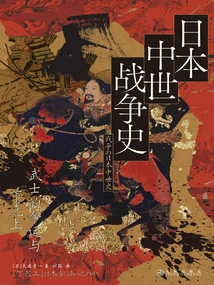
日本中世战争史:武士的命运与下克上
(japan) Goza Yuichi
The more than three hundred years from the Genpei War to the Onin Rebellion, that is, from the early 12th century to the mid-15th century, was the war-torn era known as the "Middle Ages" in Japanese history, and death enveloped Japanese samurai at any time. This book focuses on the "war era" from the invasion of Mongolia to the Onin Rebellion, that is, the "War Era" from the mid-13th century to the mid-15th century, and paints a true and colorful picture of Japan's medieval history: samurai were more afraid of death than pursuing merit; not all so-called "evil parties" were evil people; court nobles were braver than samurai. It breaks through the traditional conclusions of previous studies on the history of Japan, re-examines this period from a contemporary perspective, and vividly outlines the true appearance of the people living in that "war era".
The more than three hundred years from the Genpei War to the Onin Rebellion, that is, from the early 12th century to the mid-15th century, was the war-torn era known as the "Middle Ages" in Japanese history, and death enveloped Japanese samurai at any time. This book focuses on the "war era" from the invasion of Mongolia to the Onin Rebellion, that is, the "War Era" from the mid-13th century to the mid-15th century, and paints a true and colorful picture of Japan's medieval history: samurai were more afraid of death than pursuing merit; not all so-called "evil parties" were evil people; court nobles were braver than samurai. It breaks through the traditional conclusions of previous studies on the history of Japan, re-examines this period from a contemporary perspective, and vividly outlines the true appearance of the people living in that "war era".