Library
Browse and search novels
1 novel found
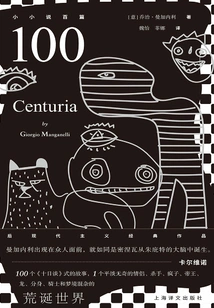
100: One Hundred Short Novels
General Fiction100:小小说百篇
(italian) Giorgio Manganelli
"100: One Hundred Little Novels" is a work published by Italian writer Giorgio Manganelli in 1979. It won the Viareggio Prize, one of Italy's most important literary awards. This work contains one hundred short stories, each of which is only a few hundred words long, but every sentence in it is unique, full of games of language and thought, depicting scenes like a witches' night party, and constructing surreal and absurd worlds. Icaro Calvino once commented on Giorgio Manganelli: "There is an incomparable writer in Italian literature. His every word is clearly identifiable. He invented endless and irresistible games of language and thought..." This is exactly what this "Decameron"-style novel is. Which genre do they belong to? Miniature psychodrama, prose poem, absurd story, sudden epiphany, malicious sophistry, satirical allegorical poem, delusional spectacle, existential irony, or wonderful and shocking fallacy? These one hundred short stories are provocative, arrogant, sinister, and sometimes very funny from beginning to end. Among them are prosaic lovers, martyrs, killers, thieves, madmen, emperors, bandits, sleepers, architects, hunters, prisoners, writers, fantasies, ghosts, time and space, dragons, doppelgangers, knights, fairies, angels, animal incarnations and visions that only appear in dreams. Each piece of work has the structure of a Möbius strip. As one critic pointed out, "time flows back and forth in a circular motion," like an ouroboros.
"100: One Hundred Little Novels" is a work published by Italian writer Giorgio Manganelli in 1979. It won the Viareggio Prize, one of Italy's most important literary awards. This work contains one hundred short stories, each of which is only a few hundred words long, but every sentence in it is unique, full of games of language and thought, depicting scenes like a witches' night party, and constructing surreal and absurd worlds. Icaro Calvino once commented on Giorgio Manganelli: "There is an incomparable writer in Italian literature. His every word is clearly identifiable. He invented endless and irresistible games of language and thought..." This is exactly what this "Decameron"-style novel is. Which genre do they belong to? Miniature psychodrama, prose poem, absurd story, sudden epiphany, malicious sophistry, satirical allegorical poem, delusional spectacle, existential irony, or wonderful and shocking fallacy? These one hundred short stories are provocative, arrogant, sinister, and sometimes very funny from beginning to end. Among them are prosaic lovers, martyrs, killers, thieves, madmen, emperors, bandits, sleepers, architects, hunters, prisoners, writers, fantasies, ghosts, time and space, dragons, doppelgangers, knights, fairies, angels, animal incarnations and visions that only appear in dreams. Each piece of work has the structure of a Möbius strip. As one critic pointed out, "time flows back and forth in a circular motion," like an ouroboros.