Library
Browse and search novels
1 novel found
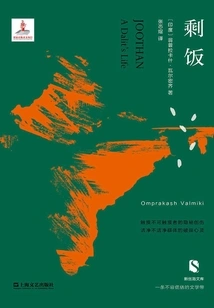
Leftovers
General Fiction剩饭
(india) Onprakash Valmichi
The Indian version of "Les Misérables" - touching the hidden wounds of the untouchable, the broken hearts of the clean and unclean. "The Leftovers" epically shows the poverty, misery and humiliation life experience of the Dalit group living at the bottom of Indian society. Dalits live a life of starvation all day long, and only during major festivals can they take home the leftover food eaten by the upper castes. Dalits are also known as "untouchables" or "untouchables" and are considered a group of unclean people, and are ostracized and insulted by all aspects of society. Therefore, if the entire Indian society is compared to a sumptuous banquet, then Dalits are like the "leftovers" on the table, discarded like rotten chickens and despised by everyone. Om Prakash Valmichi cleverly used symbolism to symbolize this untouchable group with "leftover rice", which showed the cruelty and cold-bloodedness of the caste system and the tragic helplessness of the Dalit group. Although he came from a humble background, with the persistence and encouragement of his parents, Valmichi was able to enter campus, leave the countryside and enter urban life, thus broadening his horizons and increasing his knowledge. Although he was constantly ridiculed and insulted by the so-called upper caste society, the hope and sense of struggle in his heart never went out. He used the pen in his hand to truly record the miserable world of untouchables, in order to inspire broader humanitarian and social resonance...
The Indian version of "Les Misérables" - touching the hidden wounds of the untouchable, the broken hearts of the clean and unclean. "The Leftovers" epically shows the poverty, misery and humiliation life experience of the Dalit group living at the bottom of Indian society. Dalits live a life of starvation all day long, and only during major festivals can they take home the leftover food eaten by the upper castes. Dalits are also known as "untouchables" or "untouchables" and are considered a group of unclean people, and are ostracized and insulted by all aspects of society. Therefore, if the entire Indian society is compared to a sumptuous banquet, then Dalits are like the "leftovers" on the table, discarded like rotten chickens and despised by everyone. Om Prakash Valmichi cleverly used symbolism to symbolize this untouchable group with "leftover rice", which showed the cruelty and cold-bloodedness of the caste system and the tragic helplessness of the Dalit group. Although he came from a humble background, with the persistence and encouragement of his parents, Valmichi was able to enter campus, leave the countryside and enter urban life, thus broadening his horizons and increasing his knowledge. Although he was constantly ridiculed and insulted by the so-called upper caste society, the hope and sense of struggle in his heart never went out. He used the pen in his hand to truly record the miserable world of untouchables, in order to inspire broader humanitarian and social resonance...