Library
Browse and search books
1 novel found
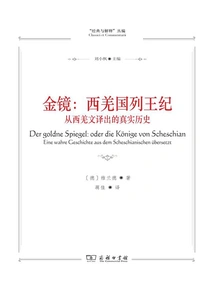
金镜:西羌国列王纪
(germany) Wieland
"The Golden Mirror: The Chronicles of the Kings of the Western Qiang Kingdom" is Wieland's masterpiece in his mature period. In Wieland's writing, the Chinese translator translated this "history book" from the Indian language, which tells the story of the Western Qiang Kingdom from prehistoric times to the establishment of a unified dynasty, and then gradually declined and completely destroyed after its heyday. This book uses the night conversations in the harem between the Sultan of Hindustan, his queen, and his favorites as a narrative framework. Through the perspectives, opinions, and attitudes of different characters toward the history of the Western Qiang Kingdom, this book constructs a masterpiece of literary thought that integrates politics, economy, religion, philosophy, and moral instruction. It profoundly expounds Wieland's thoughts on nature and virtue, political ethics and political systems, and the impact of institutions and ethics on the destiny of the country. Taking history as a mirror, the lessons of the rise and fall of countries in history are the best mirrors for future generations of rulers. "The Chronicles of the Kings of the West Qiang Kingdom" ranged from a reading from the Hindustan court to an alternative "Zi Zhi Tong Jian" of the Chinese emperor. After being translated into Latin, Wieland translated it into German. This book is not only profound in thought, but also has countless remarkable points in its narrative techniques.
"The Golden Mirror: The Chronicles of the Kings of the Western Qiang Kingdom" is Wieland's masterpiece in his mature period. In Wieland's writing, the Chinese translator translated this "history book" from the Indian language, which tells the story of the Western Qiang Kingdom from prehistoric times to the establishment of a unified dynasty, and then gradually declined and completely destroyed after its heyday. This book uses the night conversations in the harem between the Sultan of Hindustan, his queen, and his favorites as a narrative framework. Through the perspectives, opinions, and attitudes of different characters toward the history of the Western Qiang Kingdom, this book constructs a masterpiece of literary thought that integrates politics, economy, religion, philosophy, and moral instruction. It profoundly expounds Wieland's thoughts on nature and virtue, political ethics and political systems, and the impact of institutions and ethics on the destiny of the country. Taking history as a mirror, the lessons of the rise and fall of countries in history are the best mirrors for future generations of rulers. "The Chronicles of the Kings of the West Qiang Kingdom" ranged from a reading from the Hindustan court to an alternative "Zi Zhi Tong Jian" of the Chinese emperor. After being translated into Latin, Wieland translated it into German. This book is not only profound in thought, but also has countless remarkable points in its narrative techniques.