Library
Browse and search books
2 novels found
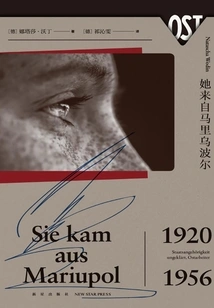
She is from Mariupol
Literature她来自马里乌波尔
(germany) Natasha Warding
"Dear God, please let me feel what she felt, just for a moment," her daughter said years later. One day when Natasha Warding was ten years old, her mother went out and never came back. Later she learned that her mother had drowned in the Regnitz River without leaving a single word; her father was an alcoholic and buried himself in Russian books all day long. --After that, the author realized that he knew nothing about her. The only thing he knew was that she was from Mariupol and was deported from Ukraine to Germany as a forced laborer in 1943. With very few clues, Natasha Warding pieced together the broken pieces bit by bit. She discovered that the family's past was a huge mystery, a historical allegory about the sufferings of Eastern Europe... The author used a charming way to completely restore a mother's personal history, family history, and the turbulent history of the twentieth century. Although this is a non-fiction work, it is more magical, dramatic and thrilling than fiction.
"Dear God, please let me feel what she felt, just for a moment," her daughter said years later. One day when Natasha Warding was ten years old, her mother went out and never came back. Later she learned that her mother had drowned in the Regnitz River without leaving a single word; her father was an alcoholic and buried himself in Russian books all day long. --After that, the author realized that he knew nothing about her. The only thing he knew was that she was from Mariupol and was deported from Ukraine to Germany as a forced laborer in 1943. With very few clues, Natasha Warding pieced together the broken pieces bit by bit. She discovered that the family's past was a huge mystery, a historical allegory about the sufferings of Eastern Europe... The author used a charming way to completely restore a mother's personal history, family history, and the turbulent history of the twentieth century. Although this is a non-fiction work, it is more magical, dramatic and thrilling than fiction.
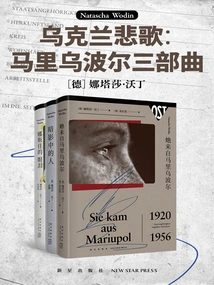
乌克兰悲歌:马里乌波尔三部曲
(germany) Natasha Warding
A true record of disasters in Eastern Europe in the 20th century. The Mariupol Trilogy includes: "She Came from Mariupol": a family history, a microcosm of the world's disasters over the past century. The 12,000,000 oriental laborers are by no means a historical footnote other than the Jewish Holocaust in World War II. They show a panoramic view of the tragedy of European civilization and reveal the unknown fate of the Ukrainians. "Man in the Shadow": a national fable of Ukraine's century of displacement and turmoil, a panoramic slice of the tragedy of human civilization. In the past, they were squeezed out of their last drop of sweat, but now, they are still being manipulated at will, with no nationality, no right to vote, and not allowed to find a place to live on their own... Writing about daily life in post-war Eastern Europe. "Nastya's Tears": The fall of the Berlin Wall, the end of the Cold War, the collapse of the Ukrainian economy... History repeats itself again and again, who can stay completely out of it? A contemporary Eastern European version of The Odyssey. It is a rare work that focuses on individual experiences after the collapse of the Soviet Union. From a civil engineer to a cleaner, it writes about the fall of high-level intellectuals under the drastic changes of the times, and is a shocking portrayal of the plight of contemporary Ukraine.
A true record of disasters in Eastern Europe in the 20th century. The Mariupol Trilogy includes: "She Came from Mariupol": a family history, a microcosm of the world's disasters over the past century. The 12,000,000 oriental laborers are by no means a historical footnote other than the Jewish Holocaust in World War II. They show a panoramic view of the tragedy of European civilization and reveal the unknown fate of the Ukrainians. "Man in the Shadow": a national fable of Ukraine's century of displacement and turmoil, a panoramic slice of the tragedy of human civilization. In the past, they were squeezed out of their last drop of sweat, but now, they are still being manipulated at will, with no nationality, no right to vote, and not allowed to find a place to live on their own... Writing about daily life in post-war Eastern Europe. "Nastya's Tears": The fall of the Berlin Wall, the end of the Cold War, the collapse of the Ukrainian economy... History repeats itself again and again, who can stay completely out of it? A contemporary Eastern European version of The Odyssey. It is a rare work that focuses on individual experiences after the collapse of the Soviet Union. From a civil engineer to a cleaner, it writes about the fall of high-level intellectuals under the drastic changes of the times, and is a shocking portrayal of the plight of contemporary Ukraine.