Library
Browse and search books
27 novels found
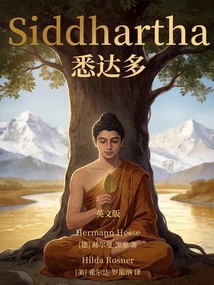
Siddhartha=siddhartha (English Version)
General FictionSiddhartha=悉达多(英文版)
(germany) Hermann Hesse
"Siddhartha" tells the story of Siddhartha, the son of a Brahmin, who embarks on the path of spiritual practice, love, business and enlightenment in order to pursue the true meaning of life. He finally realizes the unity of himself and all things by the river and completes the awakening of his soul.
"Siddhartha" tells the story of Siddhartha, the son of a Brahmin, who embarks on the path of spiritual practice, love, business and enlightenment in order to pursue the true meaning of life. He finally realizes the unity of himself and all things by the river and completes the awakening of his soul.

Steppenwolf (hesse Works 01)
General Fiction荒原狼(黑塞作品01)
(germany) Hermann Hesse
"Steppenwolf" is a masterpiece by Hermann Hesse, winner of the 1946 Nobel Prize for Literature. In a captivating way, the author profoundly describes how a man risked a complete collapse of his life, experienced various external tortures in the process of life, and began his inner spiritual pursuit to grasp the elusive meaning of human existence. The novel is rich in fantasy color and profound symbolic meaning, and is considered to have a "surrealist" style; Thomas Mann called it "German Ulysses". The protagonist Hara in the book resists this world that makes people sink deeper and deeper and gradually destroys the human spirit and soul. He attempts to expose the shortcomings and pathologies of this era.
"Steppenwolf" is a masterpiece by Hermann Hesse, winner of the 1946 Nobel Prize for Literature. In a captivating way, the author profoundly describes how a man risked a complete collapse of his life, experienced various external tortures in the process of life, and began his inner spiritual pursuit to grasp the elusive meaning of human existence. The novel is rich in fantasy color and profound symbolic meaning, and is considered to have a "surrealist" style; Thomas Mann called it "German Ulysses". The protagonist Hara in the book resists this world that makes people sink deeper and deeper and gradually destroys the human spirit and soul. He attempts to expose the shortcomings and pathologies of this era.

Nuremberg Trip
Literature纽伦堡之旅
(germany) Hermann Hesse
Hesse is a famous writer with profound ideological connotation and unique artistic personality. He is good at using symbolic artistic means to deeply analyze the pain suffered by the human soul from the spiritual and psychological aspects. Hesse yearned for the oriental culture of India and China throughout his life, and had a special affinity with oriental culture. His extraordinary poetic temperament and "Oriental complex" are integrated, making his works reveal a certain detachment behind the passion. This book collects Hesse's representative prose works written in the middle and late period. From them, it is not difficult for us to appreciate the profound thoughts and extraordinary attainments of this literary master.
Hesse is a famous writer with profound ideological connotation and unique artistic personality. He is good at using symbolic artistic means to deeply analyze the pain suffered by the human soul from the spiritual and psychological aspects. Hesse yearned for the oriental culture of India and China throughout his life, and had a special affinity with oriental culture. His extraordinary poetic temperament and "Oriental complex" are integrated, making his works reveal a certain detachment behind the passion. This book collects Hesse's representative prose works written in the middle and late period. From them, it is not difficult for us to appreciate the profound thoughts and extraordinary attainments of this literary master.
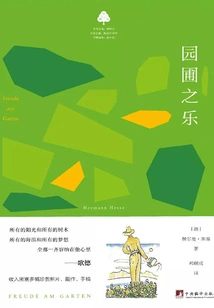
The Joy of Gardening (little Green Book)
Literature园圃之乐(小绿书)
(germany) Hermann Hesse
After Hermann Hesse divorced his first wife at the age of 46, he moved to Switzerland and retired to the mountains. He savored the joy of life given by nature while reading in sunny days and rainy days, and wrote this classic of poetry and prose. From the prosperity in the "childhood garden" to the joy of the garden in the fishing village on Lake Constance, from the ideal country house in Bern to the small apartment on the shore of Lake Lugano, Hesse's tireless toil is always integrated with the unique natural scenery, each in his own way. If you understand the ups and downs of Hesse's life - suffering from illness since childhood, attempted suicide in his early years, divorced twice, suffered two world wars, was included in the list of undesirable writers by the Nazis for helping refugees, was impoverished in his later years, suffered from eye diseases and headaches - then you will read the author's understanding of life and deep reflection on human nature from this collection of essays, which are as timeless and peaceful as freshwater color paintings. This collection of Hesse's essays is thick in its beauty, and powerful in its tranquility, allowing people to gain depth of thinking through light reading.
After Hermann Hesse divorced his first wife at the age of 46, he moved to Switzerland and retired to the mountains. He savored the joy of life given by nature while reading in sunny days and rainy days, and wrote this classic of poetry and prose. From the prosperity in the "childhood garden" to the joy of the garden in the fishing village on Lake Constance, from the ideal country house in Bern to the small apartment on the shore of Lake Lugano, Hesse's tireless toil is always integrated with the unique natural scenery, each in his own way. If you understand the ups and downs of Hesse's life - suffering from illness since childhood, attempted suicide in his early years, divorced twice, suffered two world wars, was included in the list of undesirable writers by the Nazis for helping refugees, was impoverished in his later years, suffered from eye diseases and headaches - then you will read the author's understanding of life and deep reflection on human nature from this collection of essays, which are as timeless and peaceful as freshwater color paintings. This collection of Hesse's essays is thick in its beauty, and powerful in its tranquility, allowing people to gain depth of thinking through light reading.

Wild Wolf
General Fiction荒野之狼
(germany) Hermann Hesse
Harry Haller, a scholar who despised the life of the citizen class, felt at a loss everywhere. A pamphlet called "The Wolf of the Wilderness" that he got by chance revealed his dilemma. After meeting the dancer Hermina, he was taken into another world where he indulged in dancing and indulgence. Later, Harry was invited to the dream-like magic theater, where he experienced the taste of killing, had a conversation with Mozart, tamed each other with wild wolves, and finally killed his lover out of love and jealousy... The author used Harry's struggle between purity and desire, sublimity and mediocrity, and the mutually hostile inner humanity and wolf nature to reflect on the life of the middle class, criticize the values of intellectuals, and conduct the most fundamental and thorough questioning of industrial society, war, love, and self.
Harry Haller, a scholar who despised the life of the citizen class, felt at a loss everywhere. A pamphlet called "The Wolf of the Wilderness" that he got by chance revealed his dilemma. After meeting the dancer Hermina, he was taken into another world where he indulged in dancing and indulgence. Later, Harry was invited to the dream-like magic theater, where he experienced the taste of killing, had a conversation with Mozart, tamed each other with wild wolves, and finally killed his lover out of love and jealousy... The author used Harry's struggle between purity and desire, sublimity and mediocrity, and the mutually hostile inner humanity and wolf nature to reflect on the life of the middle class, criticize the values of intellectuals, and conduct the most fundamental and thorough questioning of industrial society, war, love, and self.
Pilgrim's Song
Literature朝圣者之歌
(germany) Hermann Hesse
Hesse is often mentioned for his novels and is famous throughout the world for his novels. But he is also an excellent poet and essayist. Most of these essays record his observations and thoughts on history and society. "Pilgrim's Song" is a prose chapter selected by the translator Xie Yingying from the complete works of Hesse. It includes childhood memories, thoughts on the war, letters to relatives and friends, miscellaneous conversations about relocation, and memories of the old place and old age. All of them are inseparable from the perception of life. Not only does it allow us to fully understand Hesse as a person, but it also purifies our souls by revealing his heart, thoughts, joys, sorrows, and even indignation.
Hesse is often mentioned for his novels and is famous throughout the world for his novels. But he is also an excellent poet and essayist. Most of these essays record his observations and thoughts on history and society. "Pilgrim's Song" is a prose chapter selected by the translator Xie Yingying from the complete works of Hesse. It includes childhood memories, thoughts on the war, letters to relatives and friends, miscellaneous conversations about relocation, and memories of the old place and old age. All of them are inseparable from the perception of life. Not only does it allow us to fully understand Hesse as a person, but it also purifies our souls by revealing his heart, thoughts, joys, sorrows, and even indignation.

To the Indian Subcontinent
Literature通往印度次大陆
(germany) Hermann Hesse
"To the Indian Subcontinent" written by Hermann Hesse tells the story of Hermann Hesse, who has admired Eastern culture all his life and finally came to Asia. The steaming mainland of Southeast Asia. The mixed life of the colony made him marvel again and again. Hesse was in awe of the vastness of the primeval rainforest. He was also shocked by the picture of coolies working in the forest; he not only praised the Chinese, Indonesians, and Malays in Southeast Asia for not contracting modern Western diseases, but also despised their poor and blind imitation of European colonists. The ancient philosophy drawn from the literature is mixed with the experiences during travel, giving these travel essays a unique look and re-outlining the Eastern world in Hesse's eyes.
"To the Indian Subcontinent" written by Hermann Hesse tells the story of Hermann Hesse, who has admired Eastern culture all his life and finally came to Asia. The steaming mainland of Southeast Asia. The mixed life of the colony made him marvel again and again. Hesse was in awe of the vastness of the primeval rainforest. He was also shocked by the picture of coolies working in the forest; he not only praised the Chinese, Indonesians, and Malays in Southeast Asia for not contracting modern Western diseases, but also despised their poor and blind imitation of European colonists. The ancient philosophy drawn from the literature is mixed with the experiences during travel, giving these travel essays a unique look and re-outlining the Eastern world in Hesse's eyes.
Under the Wheel
General Fiction轮下
(germany) Hermann Hesse
"Under the Wheel" is a masterpiece of the novel by German writer Hesse. The protagonist is the young Hans Gibbenrath. He was born in a small bourgeois family. He was talented, studied hard, and was admitted to the seminary. The life in the seminary is rigid and rigid, and the ideological atmosphere is stagnant. The lively and healthy nature of young people is severely suppressed. Gibbenrath's only friend, Helnie, who has free thoughts and bravely challenges the authority of the school, is expelled. Gibbenrath suffered so much under the twisted and perverted education system that he suffered from neurasthenia and depression. He was forced to drop out of school and work as an apprentice. The apprenticeship burdened his young shoulders, and he eventually drowned. The novel criticizes the destruction of young people by the unreasonable education system.
"Under the Wheel" is a masterpiece of the novel by German writer Hesse. The protagonist is the young Hans Gibbenrath. He was born in a small bourgeois family. He was talented, studied hard, and was admitted to the seminary. The life in the seminary is rigid and rigid, and the ideological atmosphere is stagnant. The lively and healthy nature of young people is severely suppressed. Gibbenrath's only friend, Helnie, who has free thoughts and bravely challenges the authority of the school, is expelled. Gibbenrath suffered so much under the twisted and perverted education system that he suffered from neurasthenia and depression. He was forced to drop out of school and work as an apprentice. The apprenticeship burdened his young shoulders, and he eventually drowned. The novel criticizes the destruction of young people by the unreasonable education system.
Siddhartha
General Fiction悉达多
(germany) Hermann Hesse
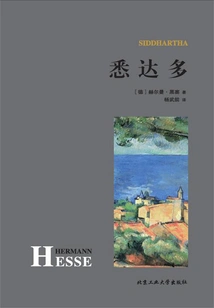
The clever Siddhartha is the son of a Brahmin with excellent morals and learning. In order to pursue his own value and his own truth, he left his Brahmin family and began his journey of seeking Taoism alone. In his life, he experienced love, success and other material and desires that could be achieved in earthly life, but the huge spiritual emptiness that followed made him extremely disgusted and despised himself. After making love with Kamala for the last time, he abandoned all worldly things. After almost a lifetime of pursuit, Siddhartha finally experienced the harmony and unity of all things, the indestructible nature of all life, and finally integrated himself into the eternity of the moment.
The clever Siddhartha is the son of a Brahmin with excellent morals and learning. In order to pursue his own value and his own truth, he left his Brahmin family and began his journey of seeking Taoism alone. In his life, he experienced love, success and other material and desires that could be achieved in earthly life, but the huge spiritual emptiness that followed made him extremely disgusted and despised himself. After making love with Kamala for the last time, he abandoned all worldly things. After almost a lifetime of pursuit, Siddhartha finally experienced the harmony and unity of all things, the indestructible nature of all life, and finally integrated himself into the eternity of the moment.
Narcissus and Goldmund
General Fiction纳尔奇思与歌尔得蒙
(germany) Hermann Hesse
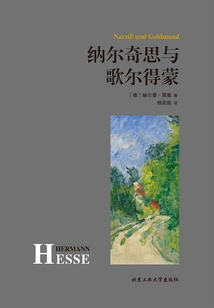
In the monastery, Narcissus was extremely talented and was deeply loved by Dean Daniel. The new student Goldmund lost his mother when he was young and determined to serve God. Narcissus and Goldmund became friends. Narcissus found a temperament in Goldmund that was completely contrary to the spirit of the monastery, and advised him to abandon the shackles of asceticism and discipline, return to the nature given to him by his mother, and become an inspired person. After an unexpected encounter, Goldmund was shocked to realize his romantic nature and decided to start a wandering life. He wandered around, experiencing joy and hardship, and his wandering made him gradually mature. One day, Goldmund was shocked by the beauty of a statue of the Virgin, which inspired his deep creative talent. He began to study under a teacher and immersed himself in the art of sculpture. Finally, he returned to his close friend and mentor Narcissus. The two inspired each other with inspiration and reason respectively, and finally Goldmund mastered the art rules of turning moments into eternity and carved a perfect statue. However, his romantic nature still drives Goldmund to chase love and his last fantasy. Goldmund once again goes out on a parade to find his lover. On the way he fell seriously ill. Narcissus expressed his friendship to him before his death, which made him die with a sense of happiness.
In the monastery, Narcissus was extremely talented and was deeply loved by Dean Daniel. The new student Goldmund lost his mother when he was young and determined to serve God. Narcissus and Goldmund became friends. Narcissus found a temperament in Goldmund that was completely contrary to the spirit of the monastery, and advised him to abandon the shackles of asceticism and discipline, return to the nature given to him by his mother, and become an inspired person. After an unexpected encounter, Goldmund was shocked to realize his romantic nature and decided to start a wandering life. He wandered around, experiencing joy and hardship, and his wandering made him gradually mature. One day, Goldmund was shocked by the beauty of a statue of the Virgin, which inspired his deep creative talent. He began to study under a teacher and immersed himself in the art of sculpture. Finally, he returned to his close friend and mentor Narcissus. The two inspired each other with inspiration and reason respectively, and finally Goldmund mastered the art rules of turning moments into eternity and carved a perfect statue. However, his romantic nature still drives Goldmund to chase love and his last fantasy. Goldmund once again goes out on a parade to find his lover. On the way he fell seriously ill. Narcissus expressed his friendship to him before his death, which made him die with a sense of happiness.
Siddhartha
General Fiction悉达多
(germany) Hermann Hesse
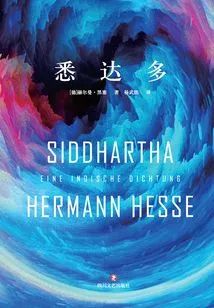
This book is the masterpiece of German writer Hesse, winner of the Nobel Prize for Literature. This lyrical novel tells the story of the growth, development, and maturity of a gifted Indian young man. Through a lifetime of exploration and discovery, he finally realizes his ideal in his twilight years. It is a well-known "bildungsroman" throughout the world. Regardless of language or expression techniques, simplicity is like sketching or sketching, only seeking to achieve the desired effect. In the 1960s, Hesse gradually replaced Hemingway and became the literary idol of the American public at that time. His works provided postwar American readers with new impetus for spiritual analysis and reconstruction, and had a direct impact on the formation of the American Beat and hippie culture.
This book is the masterpiece of German writer Hesse, winner of the Nobel Prize for Literature. This lyrical novel tells the story of the growth, development, and maturity of a gifted Indian young man. Through a lifetime of exploration and discovery, he finally realizes his ideal in his twilight years. It is a well-known "bildungsroman" throughout the world. Regardless of language or expression techniques, simplicity is like sketching or sketching, only seeking to achieve the desired effect. In the 1960s, Hesse gradually replaced Hemingway and became the literary idol of the American public at that time. His works provided postwar American readers with new impetus for spiritual analysis and reconstruction, and had a direct impact on the formation of the American Beat and hippie culture.
Siddhartha (writer List Classic)
General Fiction悉达多(作家榜经典名著)
(germany) Hermann Hesse
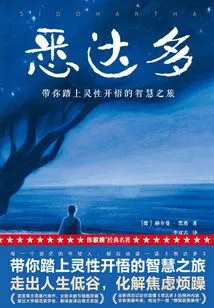
Siddhartha, an aristocratic young man from ancient India, walked and meditated on the rose path in the fig garden. Since his birth, Siddhartha has had the success that most people desire: a prominent family background, a smart mind, the love of his parents, the following of his friends, the admiration of the opposite sex... But these are not the life he wants. Siddhartha was full of confusion and longed to understand the true meaning of life. Just now, he made a decision: let go of everything in front of him and find his true self. Follow Siddhartha on a journey of spiritual enlightenment and wisdom to become a better version of yourself.
Siddhartha, an aristocratic young man from ancient India, walked and meditated on the rose path in the fig garden. Since his birth, Siddhartha has had the success that most people desire: a prominent family background, a smart mind, the love of his parents, the following of his friends, the admiration of the opposite sex... But these are not the life he wants. Siddhartha was full of confusion and longed to understand the true meaning of life. Just now, he made a decision: let go of everything in front of him and find his true self. Follow Siddhartha on a journey of spiritual enlightenment and wisdom to become a better version of yourself.
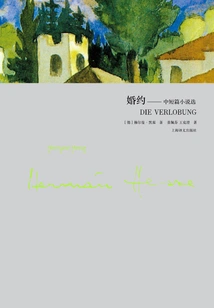
婚约:中短篇小说选(黑塞文集)
(germany) Hermann Hesse
Hesse's creative career lasted for 70 years, and his works cover a wide range. In addition to novels such as "Under the Wheel", "Steppenwolf", "Narziss and Goldmund", and "The Glass Bead Game", Hesse has never stopped writing short and medium stories. Hesse is good at using symbolic artistic techniques to reflect the deep sting caused by the outside world to the human soul from the spiritual and psychological aspects, so that the inner meaning of the work can be condensed and sublimated. The 26 short stories and short stories collected in this book are all the best of Hesse's works. They reflect the author's characteristics and styles in different creative periods in the early, middle and late periods. They are of great help and inspiration for us to fully understand Hesse and his creative thoughts and art.
Hesse's creative career lasted for 70 years, and his works cover a wide range. In addition to novels such as "Under the Wheel", "Steppenwolf", "Narziss and Goldmund", and "The Glass Bead Game", Hesse has never stopped writing short and medium stories. Hesse is good at using symbolic artistic techniques to reflect the deep sting caused by the outside world to the human soul from the spiritual and psychological aspects, so that the inner meaning of the work can be condensed and sublimated. The 26 short stories and short stories collected in this book are all the best of Hesse's works. They reflect the author's characteristics and styles in different creative periods in the early, middle and late periods. They are of great help and inspiration for us to fully understand Hesse and his creative thoughts and art.

Siddhartha
General Fiction悉达多
(germany) Hermann Hesse
"Siddhartha" describes the life of a Brahmin noble young man who seeks the true meaning of life. Siddhartha, an aristocratic young man in ancient India, was handsome and intelligent, and had everything that people envied. In order to pursue spiritual peace, he embarked on a journey of seeking Taoism alone. He listened to Buddha Gautama's teachings in Savatti City, met the famous prostitute Kamala in the bustling city, and became a wealthy businessman. The enjoyment of his soul and body reached its peak, but it made him tired of and despised himself to the extreme. After making love with Kamala for the last time, he abandoned all worldly things and came to the river to end his life. At that most desperate moment, he suddenly heard the eternal voice of the river of life... After almost a lifetime of pursuit, Siddhartha finally experienced the harmony and unity of all things, the indestructible nature of all life, and finally integrated himself into the eternity of the moment.
"Siddhartha" describes the life of a Brahmin noble young man who seeks the true meaning of life. Siddhartha, an aristocratic young man in ancient India, was handsome and intelligent, and had everything that people envied. In order to pursue spiritual peace, he embarked on a journey of seeking Taoism alone. He listened to Buddha Gautama's teachings in Savatti City, met the famous prostitute Kamala in the bustling city, and became a wealthy businessman. The enjoyment of his soul and body reached its peak, but it made him tired of and despised himself to the extreme. After making love with Kamala for the last time, he abandoned all worldly things and came to the river to end his life. At that most desperate moment, he suddenly heard the eternal voice of the river of life... After almost a lifetime of pursuit, Siddhartha finally experienced the harmony and unity of all things, the indestructible nature of all life, and finally integrated himself into the eternity of the moment.
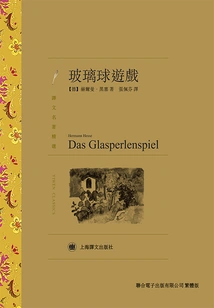
Glass Bead Game
General Fiction玻璃球游戏
(germany) Hermann Hesse
In a future world, the glass bead game has become a symbol system evolved from music and mathematics, and is all human knowledge and spiritual wealth. Knecht was an orphan who was raised by this religious group. He relied on his outstanding talents and superior organizational skills to become a master of the glass bead game. But as he grew older, he gradually became dissatisfied with this isolated spiritual kingdom and felt that it was impossible to contribute to the people in this kind of ivory tower...
In a future world, the glass bead game has become a symbol system evolved from music and mathematics, and is all human knowledge and spiritual wealth. Knecht was an orphan who was raised by this religious group. He relied on his outstanding talents and superior organizational skills to become a master of the glass bead game. But as he grew older, he gradually became dissatisfied with this isolated spiritual kingdom and felt that it was impossible to contribute to the people in this kind of ivory tower...

玻璃球游戏(黑塞文集)
(germany) Hermann Hesse
"The last knight of German Romanticism" and winner of the Nobel Prize for Literature, Hesse's new 10-volume anthology, translated by famous writers, includes novels, short and medium-length works, poetry, prose, fairy tales and paintings, comprehensively displaying Hesse's creative career. The novel tells a story: In a future world, the glass bead game has become a symbol system evolved from music and mathematics, and is all human knowledge and spiritual wealth. Knecht was an orphan who was raised by a religious group. He was talented and intelligent. With his outstanding talents and superior organizational skills, he continued to rise in this elite group until he reached the top of the group and became a master of the glass bead game. But as he grew older, he gradually became dissatisfied with this isolated spiritual kingdom and felt that it was impossible to contribute to the people in this kind of ivory tower. So he came to the real world and tried to use education to improve the entire world. However, before his career was completed, he unfortunately drowned while swimming. "The Glass Bead Game" is the crystallization of the spiritual experience of the elderly Hesse looking back on his life. The work was written from 1931 to 1934, almost simultaneously with Hitler's rise to power and his demise. The author's goals are clear: "The first is to build a spiritual space that resists poisoning to protect my survival, and the second is to express the spiritual thoughts of rebelling against barbaric forces." After twelve years of hard work, the author used almost all literary means: poetry, aphorisms, letters, biographies, theories, etc., Which can be said to be everything in this novel, and various themes are both integrated and relatively independent in the book.
"The last knight of German Romanticism" and winner of the Nobel Prize for Literature, Hesse's new 10-volume anthology, translated by famous writers, includes novels, short and medium-length works, poetry, prose, fairy tales and paintings, comprehensively displaying Hesse's creative career. The novel tells a story: In a future world, the glass bead game has become a symbol system evolved from music and mathematics, and is all human knowledge and spiritual wealth. Knecht was an orphan who was raised by a religious group. He was talented and intelligent. With his outstanding talents and superior organizational skills, he continued to rise in this elite group until he reached the top of the group and became a master of the glass bead game. But as he grew older, he gradually became dissatisfied with this isolated spiritual kingdom and felt that it was impossible to contribute to the people in this kind of ivory tower. So he came to the real world and tried to use education to improve the entire world. However, before his career was completed, he unfortunately drowned while swimming. "The Glass Bead Game" is the crystallization of the spiritual experience of the elderly Hesse looking back on his life. The work was written from 1931 to 1934, almost simultaneously with Hitler's rise to power and his demise. The author's goals are clear: "The first is to build a spiritual space that resists poisoning to protect my survival, and the second is to express the spiritual thoughts of rebelling against barbaric forces." After twelve years of hard work, the author used almost all literary means: poetry, aphorisms, letters, biographies, theories, etc., Which can be said to be everything in this novel, and various themes are both integrated and relatively independent in the book.
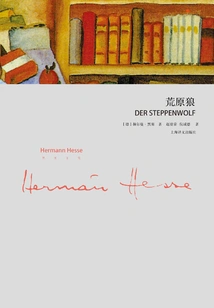
Steppenwolf (Collected Works of Hesse)
General Fiction荒原狼(黑塞文集)
(germany) Hermann Hesse
The protagonist of the novel, Harrell, is an upright writer. He despises the modern social lifestyle and often stays behind closed doors. The suffocating air makes him fall into a schizophrenic state. One day, he accidentally read a short book "Review of Steppenwolf", and suddenly woke up from the dream, thinking that he was a Steppenwolf with both "human nature" and "wolf nature". Later, he was invited to a party and found that the attendees all had narrow nationalist views, and his anti-war remarks were reprimanded, making him feel even more lonely. When he returned home, he met the bartender Hermina and gained sensual joy. After Hermina introduced him, he met the musician Pablo and the girl Maria. He forgot all his worries and worries in the music and sensual enjoyment. But when he saw Hermina getting close to Pablo, he became "wolfish" and killed Hermina out of jealousy. The novel is rich in fantasy color and profound symbolic meaning, and is considered to have a "surrealist" style; Thomas Mann called it "German Ulysses".
The protagonist of the novel, Harrell, is an upright writer. He despises the modern social lifestyle and often stays behind closed doors. The suffocating air makes him fall into a schizophrenic state. One day, he accidentally read a short book "Review of Steppenwolf", and suddenly woke up from the dream, thinking that he was a Steppenwolf with both "human nature" and "wolf nature". Later, he was invited to a party and found that the attendees all had narrow nationalist views, and his anti-war remarks were reprimanded, making him feel even more lonely. When he returned home, he met the bartender Hermina and gained sensual joy. After Hermina introduced him, he met the musician Pablo and the girl Maria. He forgot all his worries and worries in the music and sensual enjoyment. But when he saw Hermina getting close to Pablo, he became "wolfish" and killed Hermina out of jealousy. The novel is rich in fantasy color and profound symbolic meaning, and is considered to have a "surrealist" style; Thomas Mann called it "German Ulysses".
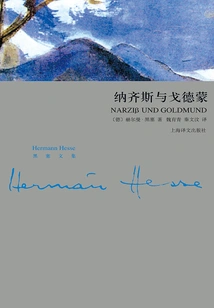
纳齐斯与戈德蒙(黑塞文集)
(germany) Hermann Hesse
"Natchez and Goldmund" is the author's masterpiece published in 1930. It describes the life experiences of a pair of friends who represent rational asceticism and erotic sensual hedonism. The young novice monk Narcissus in the monastery is extremely talented and is deeply loved by Dean Daniel. The new student Goldmund was obsessed with secular life. Although they became friends, Goldmund ignored Narcissus' rational preaching and secretly went to the village to have a tryst with the girl. Then he escaped from the monastery and wandered around, experiencing joy and hardship. His wanderings made him gradually mature, but he was later sentenced to death for falling in love with the governor's mistress. Narcissus, who became the abbot of the monastery, rescued him from prison and let him specialize in sculpture. Goldmund went out to march again, and fell seriously ill on the way. Narcissus expressed his friendship to him before his death, making him die happily.
"Natchez and Goldmund" is the author's masterpiece published in 1930. It describes the life experiences of a pair of friends who represent rational asceticism and erotic sensual hedonism. The young novice monk Narcissus in the monastery is extremely talented and is deeply loved by Dean Daniel. The new student Goldmund was obsessed with secular life. Although they became friends, Goldmund ignored Narcissus' rational preaching and secretly went to the village to have a tryst with the girl. Then he escaped from the monastery and wandered around, experiencing joy and hardship. His wanderings made him gradually mature, but he was later sentenced to death for falling in love with the governor's mistress. Narcissus, who became the abbot of the monastery, rescued him from prison and let him specialize in sculpture. Goldmund went out to march again, and fell seriously ill on the way. Narcissus expressed his friendship to him before his death, making him die happily.

Siddhartha (Collected Works of Hesse)
Literature悉达多(黑塞文集)
(germany) Hermann Hesse
"The last knight of German Romanticism" and winner of the Nobel Prize for Literature, Hesse's new 10-volume anthology, translated by famous writers, includes novels, short and medium-length works, poetry, prose, fairy tales and paintings, comprehensively displaying Hesse's creative career. "Siddhartha" contains three of Hesse's famous novellas, namely "Siddhartha", "Gertrude" and "Knolp". "Gertrude" tells the story of a love triangle between two extremely talented musicians and a beautiful young woman, hinting at the theme of the novel: the male protagonist is frustrated in love, but it promotes his artistic creation. "Knulp" was called by Hesse\
"The last knight of German Romanticism" and winner of the Nobel Prize for Literature, Hesse's new 10-volume anthology, translated by famous writers, includes novels, short and medium-length works, poetry, prose, fairy tales and paintings, comprehensively displaying Hesse's creative career. "Siddhartha" contains three of Hesse's famous novellas, namely "Siddhartha", "Gertrude" and "Knolp". "Gertrude" tells the story of a love triangle between two extremely talented musicians and a beautiful young woman, hinting at the theme of the novel: the male protagonist is frustrated in love, but it promotes his artistic creation. "Knulp" was called by Hesse\

Under the Wheel (hesse Works 10)
General Fiction在轮下(黑塞作品10)
(germany) Hermann Hesse
"Under the Wheel" is the masterpiece of Hesse, the winner of the 1946 Nobel Prize for Literature and the most awarded lyric poet in contemporary German literature. Hesse uses simple and implicit techniques to vividly depict the protagonist Hans Gibbenrad's boyhood life, adolescent confusion, seminary education and family background. This is Hesse's personal experience of blood and tears, and it is also Hesse's own portrait. The book is full of pastoral and rural atmosphere, and has a vivid and detailed description of the crisis of the soul and the pursuit of destination. This is a beautiful song of life played by a lonely wanderer. It is a new literary work that depicts the tragedy of students and the confusion of adolescence. After this book came out, paper was expensive in Luoyang for a while, and it is still a best-seller among literary classics.
"Under the Wheel" is the masterpiece of Hesse, the winner of the 1946 Nobel Prize for Literature and the most awarded lyric poet in contemporary German literature. Hesse uses simple and implicit techniques to vividly depict the protagonist Hans Gibbenrad's boyhood life, adolescent confusion, seminary education and family background. This is Hesse's personal experience of blood and tears, and it is also Hesse's own portrait. The book is full of pastoral and rural atmosphere, and has a vivid and detailed description of the crisis of the soul and the pursuit of destination. This is a beautiful song of life played by a lonely wanderer. It is a new literary work that depicts the tragedy of students and the confusion of adolescence. After this book came out, paper was expensive in Luoyang for a while, and it is still a best-seller among literary classics.
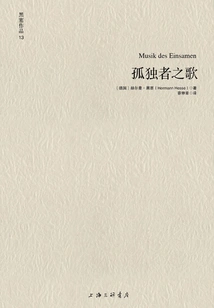
Song of the Lonely (hesse Works 13)
General Fiction孤独者之歌(黑塞作品13)
(germany) Hermann Hesse
This "Song of the Lonely" (also known as "The Autobiography of Hesse") contains a total of twelve chapters, including "The Year of a Magician", "Memories of School Life", "My Grandfather", "Memories of the Past", "Reminiscences of a Journey to India", "A Journey to Nuremberg", etc. It can be said to be the best confession to understand and understand Hesse's fiery and calm soul. Hesse won the Goethe Prize in 1946 and the Nobel Prize for Literature in the same year. Romain Rolland praised: "Hesse's attitude towards life is Goethe-like, and the foundation for the revival of the New German spirit is laid on this."
This "Song of the Lonely" (also known as "The Autobiography of Hesse") contains a total of twelve chapters, including "The Year of a Magician", "Memories of School Life", "My Grandfather", "Memories of the Past", "Reminiscences of a Journey to India", "A Journey to Nuremberg", etc. It can be said to be the best confession to understand and understand Hesse's fiery and calm soul. Hesse won the Goethe Prize in 1946 and the Nobel Prize for Literature in the same year. Romain Rolland praised: "Hesse's attitude towards life is Goethe-like, and the foundation for the revival of the New German spirit is laid on this."

Siddhartha
General Fiction悉达多
(germany) Hermann Hesse
"Siddhartha" is not the story of Buddha. It tells the life of one person and the life that thousands of people will experience. What Siddhartha pursued throughout his life was the harmony and unity of life. It may seem grand, but it is an issue that no one can avoid. The language in this book is full of poetry and wisdom. If you read it carefully, you will have profound insights, allowing you to discover and experience your own life.
"Siddhartha" is not the story of Buddha. It tells the life of one person and the life that thousands of people will experience. What Siddhartha pursued throughout his life was the harmony and unity of life. It may seem grand, but it is an issue that no one can avoid. The language in this book is full of poetry and wisdom. If you read it carefully, you will have profound insights, allowing you to discover and experience your own life.
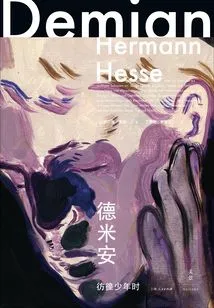
Demian: a Wandering Boyhood
General Fiction德米安:彷徨少年时
(germany) Hermann Hesse
"Demian: The Lost Boy" is one of Hesse's masterpieces. It tells the story of the young Sinclair's arduous journey of finding his own way. Sinclair, who was born and grew up in the "light world", accidentally discovered a completely different "another world". The chaos and darkness there made him anxious and confused, and he fell into the disaster caused by lies. At this time, a young man named Demian appeared and took him out of the swamp. From then on, he began to walk towards loneliness and find himself. In the years that followed, "Demian" appeared in different identities, becoming his guide every time he was searching alone and making difficult choices... "Demian" was first published in 1919, and the original author was signed by Emile Sinclair. After the publication of the work, it caused a huge response in the society. Its popularity was only rivaled by "The Sorrows of Young Werther" in the last century.
"Demian: The Lost Boy" is one of Hesse's masterpieces. It tells the story of the young Sinclair's arduous journey of finding his own way. Sinclair, who was born and grew up in the "light world", accidentally discovered a completely different "another world". The chaos and darkness there made him anxious and confused, and he fell into the disaster caused by lies. At this time, a young man named Demian appeared and took him out of the swamp. From then on, he began to walk towards loneliness and find himself. In the years that followed, "Demian" appeared in different identities, becoming his guide every time he was searching alone and making difficult choices... "Demian" was first published in 1919, and the original author was signed by Emile Sinclair. After the publication of the work, it caused a huge response in the society. Its popularity was only rivaled by "The Sorrows of Young Werther" in the last century.

Wanderer's Song (hesse Works 04)
General Fiction流浪者之歌(黑塞作品04)
(germany) Hermann Hesse
This book tells the story of Siddhartha, an aristocratic young man from ancient India, who embarked on a journey of seeking spiritual truth alone in order to pursue spiritual peace. He listened to teachings, met famous prostitutes, and became a wealthy businessman. At this time, Siddhartha's inner and outer enjoyment reached its peak, but he was extremely disgusted with himself. Finally, he abandoned the world and came to the river with the intention of ending his life. In the most desperate moment, he heard the eternal voice of the flow of life...
This book tells the story of Siddhartha, an aristocratic young man from ancient India, who embarked on a journey of seeking spiritual truth alone in order to pursue spiritual peace. He listened to teachings, met famous prostitutes, and became a wealthy businessman. At this time, Siddhartha's inner and outer enjoyment reached its peak, but he was extremely disgusted with himself. Finally, he abandoned the world and came to the river with the intention of ending his life. In the most desperate moment, he heard the eternal voice of the flow of life...

Siddhartha (translation 40)
General Fiction悉达多(译文40)
(germany) Hermann Hesse
Hermann Hesse, originally from Germany, became a Swiss citizen in 1923 and lived in seclusion in the Swiss countryside for a long time. He is known as the last knight of German Romanticism. His masterpiece "Steppenwolf" has caused a sensation in Europe and America, and was hailed as "Germany's Ulysses" by Thomas Mann. In 1946, he won the Nobel Prize in Literature "because his inspired works are powerful and insightful, and also provide an example of lofty humanitarian ideals and noble style." "Siddhartha" describes the life of a Brahmin noble young man who seeks the true meaning of life. Siddhartha, an aristocratic young man in ancient India, was handsome and intelligent, and had everything that people envied. In order to pursue spiritual peace, he embarked on a journey of seeking Taoism alone. He listened to Buddha Gautama's teachings in Savatthi City, met the famous prostitute Kamala in the bustling city, and became a wealthy businessman. The enjoyment of his soul and body reached its peak, but it made him tired of and despised himself to the extreme. After making love with Kamala for the last time, he abandoned all worldly things and came to the river to end his life. At that most desperate moment, he suddenly heard the eternal voice of the river of life... After almost a lifetime of pursuit, Siddhartha finally experienced the harmony and unity of all things, the indestructible nature of all life, and finally integrated himself into the eternity of the moment. The novel is hailed as the essence of Hesse's thought and literary works, and is a successful work with worldwide influence.
Hermann Hesse, originally from Germany, became a Swiss citizen in 1923 and lived in seclusion in the Swiss countryside for a long time. He is known as the last knight of German Romanticism. His masterpiece "Steppenwolf" has caused a sensation in Europe and America, and was hailed as "Germany's Ulysses" by Thomas Mann. In 1946, he won the Nobel Prize in Literature "because his inspired works are powerful and insightful, and also provide an example of lofty humanitarian ideals and noble style." "Siddhartha" describes the life of a Brahmin noble young man who seeks the true meaning of life. Siddhartha, an aristocratic young man in ancient India, was handsome and intelligent, and had everything that people envied. In order to pursue spiritual peace, he embarked on a journey of seeking Taoism alone. He listened to Buddha Gautama's teachings in Savatthi City, met the famous prostitute Kamala in the bustling city, and became a wealthy businessman. The enjoyment of his soul and body reached its peak, but it made him tired of and despised himself to the extreme. After making love with Kamala for the last time, he abandoned all worldly things and came to the river to end his life. At that most desperate moment, he suddenly heard the eternal voice of the river of life... After almost a lifetime of pursuit, Siddhartha finally experienced the harmony and unity of all things, the indestructible nature of all life, and finally integrated himself into the eternity of the moment. The novel is hailed as the essence of Hesse's thought and literary works, and is a successful work with worldwide influence.

Glass Bead Game
General Fiction玻璃球游戏
(germany) Hermann Hesse
In a future world, the glass bead game is a symbol system evolved from music and mathematics, and is all human knowledge and spiritual wealth. Due to numerous political turmoil and wars, human civilization is facing the threat of destruction. In order to save and promote this spiritual culture of mankind, a certain religious group is making unremitting efforts. Knecht was an orphan who was raised by this religious group. He was talented and intelligent. With his outstanding talents and superior organizational skills, he continued to rise and rise in this elite group until he reached the top of the group and became a master of the glass bead game. But as he grew older, he was no longer satisfied with this isolated spiritual kingdom and felt that it was impossible to contribute to the people in this ivory tower. He came to the real world and tried to use education to improve the whole world. However, before his career was completed, he unfortunately drowned while swimming.
In a future world, the glass bead game is a symbol system evolved from music and mathematics, and is all human knowledge and spiritual wealth. Due to numerous political turmoil and wars, human civilization is facing the threat of destruction. In order to save and promote this spiritual culture of mankind, a certain religious group is making unremitting efforts. Knecht was an orphan who was raised by this religious group. He was talented and intelligent. With his outstanding talents and superior organizational skills, he continued to rise and rise in this elite group until he reached the top of the group and became a master of the glass bead game. But as he grew older, he was no longer satisfied with this isolated spiritual kingdom and felt that it was impossible to contribute to the people in this ivory tower. He came to the real world and tried to use education to improve the whole world. However, before his career was completed, he unfortunately drowned while swimming.

The Path of Love: Hesse on War and Peace
Literature爱的道路:黑塞谈战争与和平
(germany) Hermann Hesse
As a German scholar who experienced two world wars (and later moved to Switzerland and became a naturalized citizen), Hesse went straight to the point and spoke out against the patriotic atmosphere that was generally hijacked by nationalism in Germany. Even at the end of World War I, Hesse prescribed medicine to German youths who were confused and confused after the defeat. This confession of Hermann Hesse cannot be compared with any collection of war documents. It expresses an unswerving and uncompromising poetic spirit that foresees the turbulence of war and uses Goethe's classical spirit to fight against the corruption of human thought and defend human dignity with a loud voice. In these testimonies that have stood the test of time, not a word has failed. It is a shocking and sobering legacy for today's generation.
As a German scholar who experienced two world wars (and later moved to Switzerland and became a naturalized citizen), Hesse went straight to the point and spoke out against the patriotic atmosphere that was generally hijacked by nationalism in Germany. Even at the end of World War I, Hesse prescribed medicine to German youths who were confused and confused after the defeat. This confession of Hermann Hesse cannot be compared with any collection of war documents. It expresses an unswerving and uncompromising poetic spirit that foresees the turbulence of war and uses Goethe's classical spirit to fight against the corruption of human thought and defend human dignity with a loud voice. In these testimonies that have stood the test of time, not a word has failed. It is a shocking and sobering legacy for today's generation.