Library
Browse and search books
3 novels found
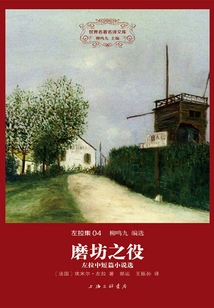
The Battle of the Mill: Selected Novels and Novels by Zola
General Fiction磨坊之役:左拉中短篇小说选
(french) Zola
"Selected Novels and Novels by Zola" exposes the political darkness, religious hypocrisy, and bourgeois ugliness during the Second French Empire and the Third Republic, sympathizes with the suffering of the poor and praises the greatness of the laborers, contrasts the loss of honor concepts of the ruling class with the heroism of the ordinary people, depicts the lives of small citizens and the activities of artists, and studies the issues of marriage, death, and lust... The subject matter and content are quite extensive and rich. Realism, romanticism, naturalism, symbolism... The creative techniques and artistic styles are varied and colorful. It is true that Zola's short stories and short stories, even these selected masterpieces, are inferior to his predecessor Balzac and his junior Maupassant in the depth and breadth of reflecting and analyzing real social relations; some of the propositions of naturalism, such as the deliberate pursuit of blandness and moderation like daily life, have done harm to the artistic effect of some of his short stories and short stories. However, when Chinese readers compare this selection of novels with the selections of short stories and short stories by realist masters such as Balzac, Maupassant, Chekov, and O. Henry that they have experienced before, it is still not difficult to discover its unique ideological and artistic richness, and gain good lessons and beautiful enjoyment from it.
"Selected Novels and Novels by Zola" exposes the political darkness, religious hypocrisy, and bourgeois ugliness during the Second French Empire and the Third Republic, sympathizes with the suffering of the poor and praises the greatness of the laborers, contrasts the loss of honor concepts of the ruling class with the heroism of the ordinary people, depicts the lives of small citizens and the activities of artists, and studies the issues of marriage, death, and lust... The subject matter and content are quite extensive and rich. Realism, romanticism, naturalism, symbolism... The creative techniques and artistic styles are varied and colorful. It is true that Zola's short stories and short stories, even these selected masterpieces, are inferior to his predecessor Balzac and his junior Maupassant in the depth and breadth of reflecting and analyzing real social relations; some of the propositions of naturalism, such as the deliberate pursuit of blandness and moderation like daily life, have done harm to the artistic effect of some of his short stories and short stories. However, when Chinese readers compare this selection of novels with the selections of short stories and short stories by realist masters such as Balzac, Maupassant, Chekov, and O. Henry that they have experienced before, it is still not difficult to discover its unique ideological and artistic richness, and gain good lessons and beautiful enjoyment from it.
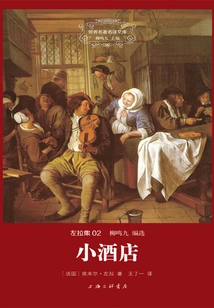
Small Hotel
General Fiction小酒店
(french) Zola
The washerwoman Qilvis gave birth to two sons by the shoemaker Lantier when she was a minor. He was later abandoned and married to Coupeau, a house builder. After Coupeau suffered a work injury, he went in and out of the small hotel all day long. Soon, Kirvis began to drink too much and fell into depression. In the end, Coupeau died of a stroke in the lunatic asylum after drinking, and Kirvis also died in the black hole at the bottom of the stairs.
The washerwoman Qilvis gave birth to two sons by the shoemaker Lantier when she was a minor. He was later abandoned and married to Coupeau, a house builder. After Coupeau suffered a work injury, he went in and out of the small hotel all day long. Soon, Kirvis began to drink too much and fell into depression. In the end, Coupeau died of a stroke in the lunatic asylum after drinking, and Kirvis also died in the black hole at the bottom of the stairs.
Money (2nd Edition)
General Fiction金钱(第2版)
(french) Zola
"Money" is the nineteenth novel in the French writer Zola's masterpiece "The Rougon-Macquart Family". Published in 1892, it occupies an important position in Zola's entire creation due to the significance of its subject matter and the success of its artistic depiction. It uses vivid and rich images to express a series of major social phenomena in the early days of modern capitalism: new problems in the financial market, the role of capital, social speculative psychology, and the human tragedies and comedies that occurred around these. "Money" expresses the role of money in social life from a sociological perspective, highlighting a special form of activity and role of money capital in social life under capitalism. That is, once money capital is formed, it will inevitably turn into financial speculation, and the exchanges that carry out such speculative activities have become the focus of "Money".
"Money" is the nineteenth novel in the French writer Zola's masterpiece "The Rougon-Macquart Family". Published in 1892, it occupies an important position in Zola's entire creation due to the significance of its subject matter and the success of its artistic depiction. It uses vivid and rich images to express a series of major social phenomena in the early days of modern capitalism: new problems in the financial market, the role of capital, social speculative psychology, and the human tragedies and comedies that occurred around these. "Money" expresses the role of money in social life from a sociological perspective, highlighting a special form of activity and role of money capital in social life under capitalism. That is, once money capital is formed, it will inevitably turn into financial speculation, and the exchanges that carry out such speculative activities have become the focus of "Money".