Library
Browse and search books
10 novels found

Madame Bovary (humanities Classics Library)
General Fiction包法利夫人(人文经典文库)
(french) Flaubert
"Madame Bovary" uses delicate brushwork to reproduce the social scene of France in the mid-19th century through the experience of the peasant girl Emma. Emma received an aristocratic education in a monastery, read many romantic novels, and dreamed of legendary love. After she married the rural doctor Charles Bovary, her life was dull and she turned to having an affair to fill the hole in her soul. The two affairs did not bring her happiness, but made her the target of exploitation by loan sharks. In the end, she had so much debt that she couldn't repay it, and she had no choice but to commit suicide. The artistic form of "Madame Bovary" makes it a new turning point in modern novels, and is known as "a milestone in the history of French literature", "a new artistic code" and "a perfect novel". This book adopts Li Jianwu's exclusive translation. Li's translation is faithful and expressive, vivid and fluent, and has beautiful language, and enjoys a high reputation among readers.
"Madame Bovary" uses delicate brushwork to reproduce the social scene of France in the mid-19th century through the experience of the peasant girl Emma. Emma received an aristocratic education in a monastery, read many romantic novels, and dreamed of legendary love. After she married the rural doctor Charles Bovary, her life was dull and she turned to having an affair to fill the hole in her soul. The two affairs did not bring her happiness, but made her the target of exploitation by loan sharks. In the end, she had so much debt that she couldn't repay it, and she had no choice but to commit suicide. The artistic form of "Madame Bovary" makes it a new turning point in modern novels, and is known as "a milestone in the history of French literature", "a new artistic code" and "a perfect novel". This book adopts Li Jianwu's exclusive translation. Li's translation is faithful and expressive, vivid and fluent, and has beautiful language, and enjoys a high reputation among readers.
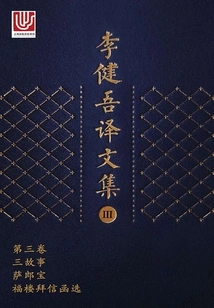
李健吾译文集·第三卷
(french) Flaubert
The first translator of Flaubert and the first translator of Molière, the complete translation of Mr. Li Jianwu, a versatile writer, translator, critic, and researcher; it brings together all the extant translation works of the famous translator Li Jianwu, totaling fourteen volumes and more than 3.5 Million words. It has extremely high literary value and academic significance; it fills gaps and is of milestone significance in the domestic translation, literary research and publishing circles. Mr. Li Jianwu is a famous modern writer, dramatist, translator, critic and literary researcher in my country. He is well-known in the fields of creation, criticism, translation and research. Especially after the founding of the People's Republic of China, he transformed from literary creation and criticism and drama teaching and practice to mainly engaged in French literature research and translation. In fact, he became the pioneer and leader in the field of French literature research in New China. His translations of Flaubert's "Madame Bovary", "Emotional Education", Molière's complete comedies, etc. Have become models of French literary translation, and his translation achievements are on par with Fu Lei. "Collection of Li Jianwu's Translations" brings together all the extant translation works of Li Jianwu. It is the complete collection of Mr. Li Jianwu's translations, with a total of fourteen volumes and more than 3.5 Million words.
The first translator of Flaubert and the first translator of Molière, the complete translation of Mr. Li Jianwu, a versatile writer, translator, critic, and researcher; it brings together all the extant translation works of the famous translator Li Jianwu, totaling fourteen volumes and more than 3.5 Million words. It has extremely high literary value and academic significance; it fills gaps and is of milestone significance in the domestic translation, literary research and publishing circles. Mr. Li Jianwu is a famous modern writer, dramatist, translator, critic and literary researcher in my country. He is well-known in the fields of creation, criticism, translation and research. Especially after the founding of the People's Republic of China, he transformed from literary creation and criticism and drama teaching and practice to mainly engaged in French literature research and translation. In fact, he became the pioneer and leader in the field of French literature research in New China. His translations of Flaubert's "Madame Bovary", "Emotional Education", Molière's complete comedies, etc. Have become models of French literary translation, and his translation achievements are on par with Fu Lei. "Collection of Li Jianwu's Translations" brings together all the extant translation works of Li Jianwu. It is the complete collection of Mr. Li Jianwu's translations, with a total of fourteen volumes and more than 3.5 Million words.
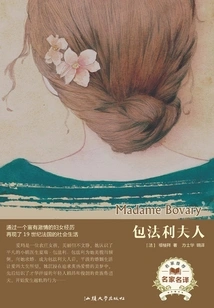
Madame Bovary
General Fiction包法利夫人
(french) Flaubert
Flaubert formed a close friendship with the young philosopher Poitvin very early on. Poitevin's pessimistic thoughts and aesthetic views had a considerable influence on Flaubert. Flaubert's thoughts are also obviously influenced by Spinoza's atheism. When he was in middle school, he read romantic works enthusiastically and engaged in literary study. These works express "demonic egoism" and anarchic fanaticism, with a strong romantic flavor. In his later years, in addition to carefully guiding Maupassant's writing, Flaubert has been writing his last novel "Bovard and Pécuchet", which is only one chapter short of completion. This novel can be said to be the companion volume of "Emotional Education" and can be called "Intellectual Education".
Flaubert formed a close friendship with the young philosopher Poitvin very early on. Poitevin's pessimistic thoughts and aesthetic views had a considerable influence on Flaubert. Flaubert's thoughts are also obviously influenced by Spinoza's atheism. When he was in middle school, he read romantic works enthusiastically and engaged in literary study. These works express "demonic egoism" and anarchic fanaticism, with a strong romantic flavor. In his later years, in addition to carefully guiding Maupassant's writing, Flaubert has been writing his last novel "Bovard and Pécuchet", which is only one chapter short of completion. This novel can be said to be the companion volume of "Emotional Education" and can be called "Intellectual Education".
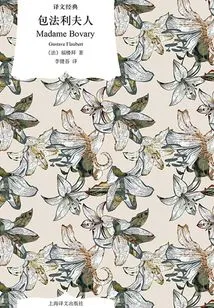
Madame Bovary (translation Classic)
General Fiction包法利夫人(译文经典)
(french) Flaubert
The most famous masterpiece of the French writer Flaubert, "Art Nouveau Codex" and "the most perfect novel"; systematically research and translate the classic translation of Mr. Li Jianwu, the first person of Flaubert, a truly famous translator. "Madame Bovary" is both Flaubert's famous work and his most important masterpiece. The author uses concise writing and perfect style to reproduce the social life of France in the mid-19th century through the experience of a passionate woman Emma. It is recognized as the most important masterpiece of French literature in the 19th century after "The Red and the Black" and "The Human Comedy"; it is also considered to be "the code of new art", a "most perfect novel", and "produced revolutionary consequences in the literary world".
The most famous masterpiece of the French writer Flaubert, "Art Nouveau Codex" and "the most perfect novel"; systematically research and translate the classic translation of Mr. Li Jianwu, the first person of Flaubert, a truly famous translator. "Madame Bovary" is both Flaubert's famous work and his most important masterpiece. The author uses concise writing and perfect style to reproduce the social life of France in the mid-19th century through the experience of a passionate woman Emma. It is recognized as the most important masterpiece of French literature in the 19th century after "The Red and the Black" and "The Human Comedy"; it is also considered to be "the code of new art", a "most perfect novel", and "produced revolutionary consequences in the literary world".
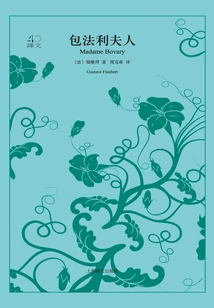
Madame Bovary (translation 40)
General Fiction包法利夫人(译文40)
(french) Flaubert
Flaubert was a master of French realist literature in the 19th century, and "Madame Bovary" is his famous and representative work. The heroine of this book, Emma, is the daughter of a wealthy farmer from another province. She spent her youth in a monastery. She learned the conversational manners of aristocratic women and read a lot of romantic works. Later, her bankrupt father married her to Bovary, a mediocre and slow town doctor. This made Emma, who was obsessed with romantic life, uncomfortable at home, so she became the mistress of the landowner Rodolphe and the clerk Leon successively. In order to please Leon and maintain a luxurious life, she squandered her husband's property and took out loan sharks. Later, Leon became tired of her and her creditors pressed her for debt. She was desperate and committed suicide by taking arsenic.
Flaubert was a master of French realist literature in the 19th century, and "Madame Bovary" is his famous and representative work. The heroine of this book, Emma, is the daughter of a wealthy farmer from another province. She spent her youth in a monastery. She learned the conversational manners of aristocratic women and read a lot of romantic works. Later, her bankrupt father married her to Bovary, a mediocre and slow town doctor. This made Emma, who was obsessed with romantic life, uncomfortable at home, so she became the mistress of the landowner Rodolphe and the clerk Leon successively. In order to please Leon and maintain a luxurious life, she squandered her husband's property and took out loan sharks. Later, Leon became tired of her and her creditors pressed her for debt. She was desperate and committed suicide by taking arsenic.

Madame Bovary
General Fiction包法利夫人
(french) Flaubert
The representative work of Flaubert, the world literary master, has been newly revised for the National Outstanding Foreign Literature Book Award. The classic translation and annotation by Zhou Kexi, a famous French translator, authentically presents the author's perspective. Madame Bovary is a novel published by French writer Flaubert in the 19th century. It has been hailed as the end of romanticism and the beginning of realism. It is a landmark work in the history of literature. Through his meticulous description of life outside the French provinces, Flaubert criticized the decadent and decadent social life in the early stages of capitalist society and the vulgarity and vulgarity of the small townsfolk.
The representative work of Flaubert, the world literary master, has been newly revised for the National Outstanding Foreign Literature Book Award. The classic translation and annotation by Zhou Kexi, a famous French translator, authentically presents the author's perspective. Madame Bovary is a novel published by French writer Flaubert in the 19th century. It has been hailed as the end of romanticism and the beginning of realism. It is a landmark work in the history of literature. Through his meticulous description of life outside the French provinces, Flaubert criticized the decadent and decadent social life in the early stages of capitalist society and the vulgarity and vulgarity of the small townsfolk.

Madame Bovary
General Fiction包法利夫人
(french) Flaubert
The novel depicts the history of French social customs in the 19th century through the description of the tragic emotional life of Emma, a petty bourgeois woman. Emma, a vain farm girl, married Bovary, a country doctor, full of yearning for love. However, her husband's mediocrity and the dullness of her married life shattered her ideals of love, and she became depressed. Bovary moved to Yonville for her health, but the town was still unbearable for her. At the agricultural exhibition, she was seduced by the landowner Rodolfo and was soon abandoned. Later, Emma hooked up with Leon again and was abandoned again. Emma was deeply in debt during her affair, and finally committed suicide by swallowing arsenic in despair.
The novel depicts the history of French social customs in the 19th century through the description of the tragic emotional life of Emma, a petty bourgeois woman. Emma, a vain farm girl, married Bovary, a country doctor, full of yearning for love. However, her husband's mediocrity and the dullness of her married life shattered her ideals of love, and she became depressed. Bovary moved to Yonville for her health, but the town was still unbearable for her. At the agricultural exhibition, she was seduced by the landowner Rodolfo and was soon abandoned. Later, Emma hooked up with Leon again and was abandoned again. Emma was deeply in debt during her affair, and finally committed suicide by swallowing arsenic in despair.

Madame Bovary
General Fiction包法利夫人
(french) Flaubert
The novel "Madame Bovary" is Flaubert's masterpiece. The author uses concise and delicate writing to reproduce the social life of France in the mid-19th century through the experience of Emma, a passionate woman. The artistic form of "Madame Bovary" makes it a new turning point in modern novels. This is not only an exemplary novel, but also an exemplary essay. His books have been translated into many languages and reprinted many times.
The novel "Madame Bovary" is Flaubert's masterpiece. The author uses concise and delicate writing to reproduce the social life of France in the mid-19th century through the experience of Emma, a passionate woman. The artistic form of "Madame Bovary" makes it a new turning point in modern novels. This is not only an exemplary novel, but also an exemplary essay. His books have been translated into many languages and reprinted many times.
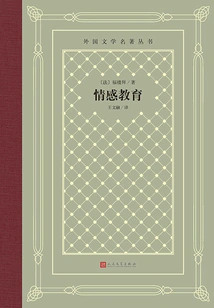
Emotional Education
General Fiction情感教育
(french) Flaubert
The subtitle of "Emotional Education" is "A Young Man's Story". The protagonist Frederic Moreau was born in a bourgeois family in the provinces. When he was eighteen years old, he came to Paris to study law. He fell deeply in love with Marie, the wife of the art dealer Arnoux. Although Mary did not love her husband, she abided by her womanly ways. Later, she was finally moved by Moreau's infatuation and agreed to date him. It was February 1848, and revolution broke out in Paris. For this appointment, Moreau did not go to the public demonstration. However, Mary was unable to attend the appointment because her son suddenly suffered from pseudomembranous laryngitis. In despair, Moreau falls into the arms of socialite Rosanette. The two lived together and gave birth to a son, who unfortunately died soon after. Moreau dated Boulez, an industrialist from an aristocratic background. In order to enter the upper class, he became Madame de Boulez's lover. After the death of the industrialist, the two prepared to get married. But at the furniture auction of the bankrupt Arnoux couple, Madame Boulez's actions deeply hurt Moreau's heart... "Emotional Education" is also, as the author said, "a modern genre novel that takes place in Paris." Around the protagonist Frederic Moreau, the novelist created a series of characters with unique characteristics and belonging to different social classes. Through these numerous creatures, we see a microcosm of French society in the 1840s, especially before and after the revolution of 1848. Therefore, "Emotional Education" is not only a personal emotional history, it is also a social novel, a chronicle of the image of the 1848 Revolution.
The subtitle of "Emotional Education" is "A Young Man's Story". The protagonist Frederic Moreau was born in a bourgeois family in the provinces. When he was eighteen years old, he came to Paris to study law. He fell deeply in love with Marie, the wife of the art dealer Arnoux. Although Mary did not love her husband, she abided by her womanly ways. Later, she was finally moved by Moreau's infatuation and agreed to date him. It was February 1848, and revolution broke out in Paris. For this appointment, Moreau did not go to the public demonstration. However, Mary was unable to attend the appointment because her son suddenly suffered from pseudomembranous laryngitis. In despair, Moreau falls into the arms of socialite Rosanette. The two lived together and gave birth to a son, who unfortunately died soon after. Moreau dated Boulez, an industrialist from an aristocratic background. In order to enter the upper class, he became Madame de Boulez's lover. After the death of the industrialist, the two prepared to get married. But at the furniture auction of the bankrupt Arnoux couple, Madame Boulez's actions deeply hurt Moreau's heart... "Emotional Education" is also, as the author said, "a modern genre novel that takes place in Paris." Around the protagonist Frederic Moreau, the novelist created a series of characters with unique characteristics and belonging to different social classes. Through these numerous creatures, we see a microcosm of French society in the 1840s, especially before and after the revolution of 1848. Therefore, "Emotional Education" is not only a personal emotional history, it is also a social novel, a chronicle of the image of the 1848 Revolution.

Madame Bovary
General Fiction包法利夫人
(french) Flaubert
The protagonist Emma is a peasant girl who lost her mother when she was young. She received a complete set of aristocratic education under her father's ardent expectations. When she grew up, Emma, a beautiful woman, married the honest doctor Bovary and became "Madame Bovary". However, she was unwilling to accept the ordinary fate assigned to her by God. She fell in love with Ralph and then Leon, thinking that love could save her from a mediocre life, but the reality was cruel. The man retreated in the face of love and abandoned her cruelly one after another. Emma was eventually consumed by her own desires.
The protagonist Emma is a peasant girl who lost her mother when she was young. She received a complete set of aristocratic education under her father's ardent expectations. When she grew up, Emma, a beautiful woman, married the honest doctor Bovary and became "Madame Bovary". However, she was unwilling to accept the ordinary fate assigned to her by God. She fell in love with Ralph and then Leon, thinking that love could save her from a mediocre life, but the reality was cruel. The man retreated in the face of love and abandoned her cruelly one after another. Emma was eventually consumed by her own desires.