Library
Browse and search books
2 novels found
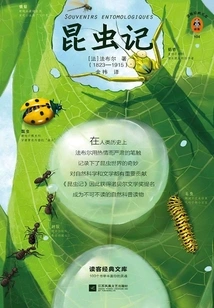
Insect Diary
General Fiction昆虫记
(french) Fabre
If you like to watch ants move, you will find a more magical, mysterious and sacred nature in "Insects"! Recommended reading for eighth-grade Chinese textbooks compiled by the Ministry of Education (Part 1)! In the history of mankind, Fabre recorded the wonders of the insect world with passionate and serious writing, making important contributions to natural science and literature. As a result, "Insects" was nominated for the Nobel Prize in Literature and became a must-read natural science book. Fabre, a French naturalist, entomologist, popular science writer, and litterateur, was nominated for the Nobel Prize in Literature for "Insects." Hugo, Ba Jin, Darwin... The popular science of insects praised by writers and scientists! Fabre's book is about the life of insects, but when we read it, we found it more interesting and meaningful than watching those boring novels and dramas. --Zhou Zuoren. "Insect Diary" is worthy of being called "the epic of insects". --Hugo. Visit the battle between black ants and red ants; observe the meticulously crafted nests of black wasps; cheer for the scarabs carrying dung balls... Follow Fabre's footsteps and discover a more magical, mysterious and sacred nature.
If you like to watch ants move, you will find a more magical, mysterious and sacred nature in "Insects"! Recommended reading for eighth-grade Chinese textbooks compiled by the Ministry of Education (Part 1)! In the history of mankind, Fabre recorded the wonders of the insect world with passionate and serious writing, making important contributions to natural science and literature. As a result, "Insects" was nominated for the Nobel Prize in Literature and became a must-read natural science book. Fabre, a French naturalist, entomologist, popular science writer, and litterateur, was nominated for the Nobel Prize in Literature for "Insects." Hugo, Ba Jin, Darwin... The popular science of insects praised by writers and scientists! Fabre's book is about the life of insects, but when we read it, we found it more interesting and meaningful than watching those boring novels and dramas. --Zhou Zuoren. "Insect Diary" is worthy of being called "the epic of insects". --Hugo. Visit the battle between black ants and red ants; observe the meticulously crafted nests of black wasps; cheer for the scarabs carrying dung balls... Follow Fabre's footsteps and discover a more magical, mysterious and sacred nature.
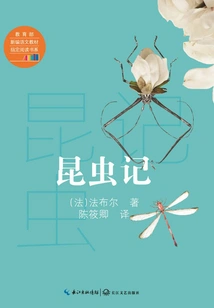
Insect Diary
Literature昆虫记
(french) Fabre
"Insect Diary" is a scientific masterpiece about the habits and behavior of insects written by French entomologist Fabre. It is also a literary classic integrating knowledge, philosophy and interest. It uses human nature to observe the insect world, and uses the colorful life of insects to express life insights. Every line is filled with profound humanistic care. This book has been nominated for the Nobel Prize in Literature and is known as the "Epic of Insects". It has been translated into more than 60 languages and has been a popular book for more than 100 years since its publication.
"Insect Diary" is a scientific masterpiece about the habits and behavior of insects written by French entomologist Fabre. It is also a literary classic integrating knowledge, philosophy and interest. It uses human nature to observe the insect world, and uses the colorful life of insects to express life insights. Every line is filled with profound humanistic care. This book has been nominated for the Nobel Prize in Literature and is known as the "Epic of Insects". It has been translated into more than 60 languages and has been a popular book for more than 100 years since its publication.