Library
Browse and search books
1 novel found
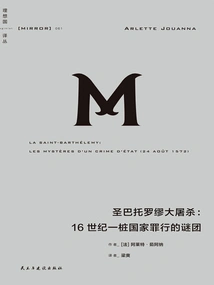
圣巴托罗缪大屠杀:16世纪一桩国家罪行的谜团
(french) Alet Journer
On August 24, 1572, Saint Bartholomew's Day, with the connivance of King Charles IX of France, the Protestant military leader Coligny was killed by soldiers of the Catholic Duke Henry I of Guise. Soon, Catholics wearing hats with crosses on their heads and white armbands on their arms were walking through the streets of Paris, hunting down "heresy" in the name of God. The executions quickly turned into mass killings. However, just a few days ago, the city of Paris was still joyful and peaceful, and a grand wedding symbolizing reconciliation had just been held at Notre Dame Cathedral. The bride was Margaret, sister of Charles IX, and the groom was Henry of Navarre, a Protestant, the future Henry IV. In just a few days, why did a wedding sincerely seeking peace turn into a "bloody wedding"? Why did the execution of a handful of Protestant leaders turn into a massacre that spread almost across France, and how did it stir up the international situation? In a series of events, what roles did Charles IX, the Medici Queen Mother, Catholic dignitaries, and the King of Spain play? French historian Alet Jouenne analyzes the circumstances surrounding the sudden occurrence of executions and massacres, examines the reactions of Protestants and Catholics at home and abroad at the time, and retells the story of the Massacre of St. Bartholomew. In her opinion, this bloody day changed the direction of French history: the fate of Catholicism in France completely changed; Protestants no longer believed that France would become a Protestant country and began to form an identity; people's desire for order after the turmoil and killings strengthened the monarch's authority and opened the door to absolute autocracy; reflections on religious schism and the trauma it caused also questioned the royal power and even laid the groundwork for the Great Revolution. The Massacre of St. Bartholomew is undoubtedly a tragedy. It regards others as heretics out of fear and twists differences into threats. It is far away but has never really gone away.
On August 24, 1572, Saint Bartholomew's Day, with the connivance of King Charles IX of France, the Protestant military leader Coligny was killed by soldiers of the Catholic Duke Henry I of Guise. Soon, Catholics wearing hats with crosses on their heads and white armbands on their arms were walking through the streets of Paris, hunting down "heresy" in the name of God. The executions quickly turned into mass killings. However, just a few days ago, the city of Paris was still joyful and peaceful, and a grand wedding symbolizing reconciliation had just been held at Notre Dame Cathedral. The bride was Margaret, sister of Charles IX, and the groom was Henry of Navarre, a Protestant, the future Henry IV. In just a few days, why did a wedding sincerely seeking peace turn into a "bloody wedding"? Why did the execution of a handful of Protestant leaders turn into a massacre that spread almost across France, and how did it stir up the international situation? In a series of events, what roles did Charles IX, the Medici Queen Mother, Catholic dignitaries, and the King of Spain play? French historian Alet Jouenne analyzes the circumstances surrounding the sudden occurrence of executions and massacres, examines the reactions of Protestants and Catholics at home and abroad at the time, and retells the story of the Massacre of St. Bartholomew. In her opinion, this bloody day changed the direction of French history: the fate of Catholicism in France completely changed; Protestants no longer believed that France would become a Protestant country and began to form an identity; people's desire for order after the turmoil and killings strengthened the monarch's authority and opened the door to absolute autocracy; reflections on religious schism and the trauma it caused also questioned the royal power and even laid the groundwork for the Great Revolution. The Massacre of St. Bartholomew is undoubtedly a tragedy. It regards others as heretics out of fear and twists differences into threats. It is far away but has never really gone away.