Library
Browse and search books
1 novel found
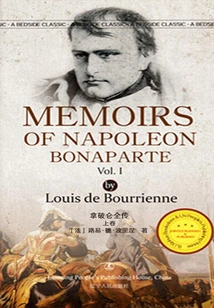
The Complete Biography of Napoleon·volume 1
General Fiction拿破仑全传·上卷
(france) Louis De Polligne
Napoleon Bonaparte, a French bourgeois politician and military strategist, emperor of the First French Empire and the Hundred Days Dynasty, was born into a declining aristocratic family in Corsica. After graduating from the Paris Military School, he became an artillery captain. He joined the revolutionary army during the French bourgeois revolution, won the battle of Toulon in 1793, and was promoted to major general. During the Directory period, he led troops to attack Italy in 1796 and invaded Egypt two years later. In 1799, Napoleon launched the "Brumaire Coup" to form a ruling government and served as the first consul. Subsequently, Napoleon carried out a number of major reforms in military affairs, education, justice, administration, legislation, economy and other aspects, and promulgated the "Napoleonic Code". The Napoleonic Code had a significant impact on the legislation of Western capitalist countries such as Germany, Spain, and Switzerland. This code transplants the rights protection part of the Declaration of Human Rights promulgated during the Great Revolution into the field of civil law, and is an inheritance of the spirit of the Declaration of Human Rights. In 1804, Napoleon proclaimed himself emperor and established the First French Empire. He tried his best to strengthen the centralized military-bureaucratic state institutions and suppress the restoration forces of the royal party. He continued foreign wars, smashed the anti-French alliance many times, and dealt a heavy blow to the feudal forces in Europe. In October 1806, Napoleon led the French army to defeat the Prussian army in Jena. The French soldiers actually plundered the property of the philosopher Hegel, leaving his family with nothing. Fortunately, Hegel basically completed the writing of "Phenomenology of Spirit" before the Battle of Jena. Even so, on October 30, when Napoleon was riding through the street, Hegel saw him from the window of his residence. A few days ago, Hegel had just mailed the manuscript of "Phenomenology of Spirit" and was now worried about whether his manuscript would be destroyed in the war during the mail. An anxious Hegel stared intently at Napoleon and related the Frenchman to his own philosophical concepts. That night, in a letter to a friend, Hegel wrote: "I saw the emperor - the spirit of the world - riding out on horseback to inspect the whole city. I saw such an individual who controlled the world and dominated it, riding on horseback." At the same time, Napoleon also tried his best to compete for hegemony with Britain and Russia, and continued to plunder and expand, which led to the resistance of various oppressed nations and the intensification of domestic conflicts. After the Battle of Jena, Napoleon declared a continental blockade. On February 8, 1806, the French army defeated the Russian army at Hello. After Napoleon returned to the country, he continued to reform the internal affairs, rectify the police and universities, and stipulated that the task of universities was to "use the same mold to cultivate bourgeois youth loyal to the country and the Fourth Dynasty, abolished the bill review committee, the Senate and the Legislative Chamber, and implemented a strict censorship system of newspapers, periodicals and books , even the most important writers at the time, Chateaubriand, Madame de Staal, and Constant, were very hostile to the empire. In 1812, Napoleon went on an expedition to Russia and burned Moscow. After learning of the conspiracy, Napoleon quickly returned home, the French army fled, and the allied forces invaded France, accelerating the collapse of the empire. In 1814, the European anti-French coalition captured Paris, and Napoleon abdicated and was exiled to the Island of Elba. On March 1, 1815, Napoleon returned to France and regained power, but it only lasted 100 days. After the defeat of the Battle of Waterloo, Napoleon abdicated for the second time and was imprisoned by the British. Confined to St. Helena Island, he died of stomach cancer on May 5, 1821. Before his death, this great commander, whom Hegel called "the spirit of the world on horseback," lamented: "I once commanded an army of millions, but now I have no one; I once swept across three continents, but now I have no foothold." Jesus is far better than me. He has not a single soldier, and he has not conquered any land. Yet his kingdom is established in the hearts of all. There are two weapons in the world: spirit and sword. In the long run, the spirit will defeat the sword. "Indeed, today, more than 200 years later, Napoleon's martial supremacy has become a thing of the past, but the "world spirit on horseback", as a symbol of Hegel's philosophy, is known all over the world and has existed for a long time. The author of this book, Louis de Polligne, and Napoleon met in Corsica when they were 8 years old. They met and formed a friendship. As an adult, Napoleon entered the military academy and later joined the army; Polligne studied diplomacy in Vienna and Leipzig. In 1795, Polligne returned to Paris to reunite with Napoleon. At this time, Napoleon was preparing to lead his army to Italy. With the possibility of becoming a great man throughout the ages, Polignac began to consciously record and copy files. After 1797, Polignac followed Napoleon on an expedition to Egypt. After returning to France from Egypt, he assisted Napoleon in launching the "Broken Moon Coup" and participated in the promulgation of the "Napoleonic Code". During Napoleon's campaign, Poligne recorded admiringly Napoleon's methods of seizing power and wealth for himself and his family. In the autumn of 1802, Napoleon began to distance himself from Poligne, and a few weeks later, he fired him without any explanation, and the two became strangers.
Napoleon Bonaparte, a French bourgeois politician and military strategist, emperor of the First French Empire and the Hundred Days Dynasty, was born into a declining aristocratic family in Corsica. After graduating from the Paris Military School, he became an artillery captain. He joined the revolutionary army during the French bourgeois revolution, won the battle of Toulon in 1793, and was promoted to major general. During the Directory period, he led troops to attack Italy in 1796 and invaded Egypt two years later. In 1799, Napoleon launched the "Brumaire Coup" to form a ruling government and served as the first consul. Subsequently, Napoleon carried out a number of major reforms in military affairs, education, justice, administration, legislation, economy and other aspects, and promulgated the "Napoleonic Code". The Napoleonic Code had a significant impact on the legislation of Western capitalist countries such as Germany, Spain, and Switzerland. This code transplants the rights protection part of the Declaration of Human Rights promulgated during the Great Revolution into the field of civil law, and is an inheritance of the spirit of the Declaration of Human Rights. In 1804, Napoleon proclaimed himself emperor and established the First French Empire. He tried his best to strengthen the centralized military-bureaucratic state institutions and suppress the restoration forces of the royal party. He continued foreign wars, smashed the anti-French alliance many times, and dealt a heavy blow to the feudal forces in Europe. In October 1806, Napoleon led the French army to defeat the Prussian army in Jena. The French soldiers actually plundered the property of the philosopher Hegel, leaving his family with nothing. Fortunately, Hegel basically completed the writing of "Phenomenology of Spirit" before the Battle of Jena. Even so, on October 30, when Napoleon was riding through the street, Hegel saw him from the window of his residence. A few days ago, Hegel had just mailed the manuscript of "Phenomenology of Spirit" and was now worried about whether his manuscript would be destroyed in the war during the mail. An anxious Hegel stared intently at Napoleon and related the Frenchman to his own philosophical concepts. That night, in a letter to a friend, Hegel wrote: "I saw the emperor - the spirit of the world - riding out on horseback to inspect the whole city. I saw such an individual who controlled the world and dominated it, riding on horseback." At the same time, Napoleon also tried his best to compete for hegemony with Britain and Russia, and continued to plunder and expand, which led to the resistance of various oppressed nations and the intensification of domestic conflicts. After the Battle of Jena, Napoleon declared a continental blockade. On February 8, 1806, the French army defeated the Russian army at Hello. After Napoleon returned to the country, he continued to reform the internal affairs, rectify the police and universities, and stipulated that the task of universities was to "use the same mold to cultivate bourgeois youth loyal to the country and the Fourth Dynasty, abolished the bill review committee, the Senate and the Legislative Chamber, and implemented a strict censorship system of newspapers, periodicals and books , even the most important writers at the time, Chateaubriand, Madame de Staal, and Constant, were very hostile to the empire. In 1812, Napoleon went on an expedition to Russia and burned Moscow. After learning of the conspiracy, Napoleon quickly returned home, the French army fled, and the allied forces invaded France, accelerating the collapse of the empire. In 1814, the European anti-French coalition captured Paris, and Napoleon abdicated and was exiled to the Island of Elba. On March 1, 1815, Napoleon returned to France and regained power, but it only lasted 100 days. After the defeat of the Battle of Waterloo, Napoleon abdicated for the second time and was imprisoned by the British. Confined to St. Helena Island, he died of stomach cancer on May 5, 1821. Before his death, this great commander, whom Hegel called "the spirit of the world on horseback," lamented: "I once commanded an army of millions, but now I have no one; I once swept across three continents, but now I have no foothold." Jesus is far better than me. He has not a single soldier, and he has not conquered any land. Yet his kingdom is established in the hearts of all. There are two weapons in the world: spirit and sword. In the long run, the spirit will defeat the sword. "Indeed, today, more than 200 years later, Napoleon's martial supremacy has become a thing of the past, but the "world spirit on horseback", as a symbol of Hegel's philosophy, is known all over the world and has existed for a long time. The author of this book, Louis de Polligne, and Napoleon met in Corsica when they were 8 years old. They met and formed a friendship. As an adult, Napoleon entered the military academy and later joined the army; Polligne studied diplomacy in Vienna and Leipzig. In 1795, Polligne returned to Paris to reunite with Napoleon. At this time, Napoleon was preparing to lead his army to Italy. With the possibility of becoming a great man throughout the ages, Polignac began to consciously record and copy files. After 1797, Polignac followed Napoleon on an expedition to Egypt. After returning to France from Egypt, he assisted Napoleon in launching the "Broken Moon Coup" and participated in the promulgation of the "Napoleonic Code". During Napoleon's campaign, Poligne recorded admiringly Napoleon's methods of seizing power and wealth for himself and his family. In the autumn of 1802, Napoleon began to distance himself from Poligne, and a few weeks later, he fired him without any explanation, and the two became strangers.