Library
Browse and search books
3 novels found
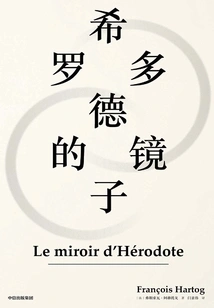
Herodotus' Mirror
History希罗多德的镜子
(france) François Ahtogo
The immortal work "The Histories" by Herodotus, the ancient Greek historian and "Father of History", not only records the major historical conflicts between the Greeks and the Persians, but is also the earliest exploration of cultural differences in the West. François Ahtogo focused on the issue of cultural differences and explored and explained how Herodotus represented this cultural difference in his "History". By examining the customs and beliefs of the non-Greeks described by Herodotus, that is, the Scythians, he analyzed how this great historian described and understood a lifestyle that was completely different from his own. What language, rhetoric and philosophical means did he use to shape his text into a mirror? In answering these questions, François Ahtogo transforms our understanding of the "Father of History." The Herodotus he writes is not so much a successful Greek chronicler as an outstanding writer who pursues distinction. With his meticulous insights and solid documentary skills, Ahtogo provides powerful new tools for contemporary people to understand Herodotus's works. Readers can not only follow the author's method of reading history in the book and experience the joy of new discoveries, but what is especially rare is that they can observe on the spot how a famous historian explored the fundamental issues of history in his early research in retrospect.
The immortal work "The Histories" by Herodotus, the ancient Greek historian and "Father of History", not only records the major historical conflicts between the Greeks and the Persians, but is also the earliest exploration of cultural differences in the West. François Ahtogo focused on the issue of cultural differences and explored and explained how Herodotus represented this cultural difference in his "History". By examining the customs and beliefs of the non-Greeks described by Herodotus, that is, the Scythians, he analyzed how this great historian described and understood a lifestyle that was completely different from his own. What language, rhetoric and philosophical means did he use to shape his text into a mirror? In answering these questions, François Ahtogo transforms our understanding of the "Father of History." The Herodotus he writes is not so much a successful Greek chronicler as an outstanding writer who pursues distinction. With his meticulous insights and solid documentary skills, Ahtogo provides powerful new tools for contemporary people to understand Herodotus's works. Readers can not only follow the author's method of reading history in the book and experience the joy of new discoveries, but what is especially rare is that they can observe on the spot how a famous historian explored the fundamental issues of history in his early research in retrospect.
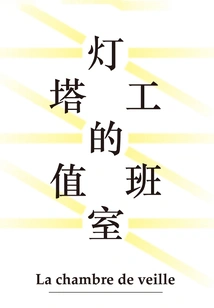
灯塔工的值班室
(france) François Ahtogo
This book is an interview record with François Achtogo, a representative figure of the French "New Historiography". Akhtogo was deeply influenced by historians and anthropologists such as Vernan, Reinhard Kozelek, and Lévi-Strauss, and introduced historical anthropology into his own research. In the book, Akhtogo recalls his personal experience and discusses the positioning of historians, understanding of time and memory, judgment of presentism, thinking about the other, and the application of historical anthropology in research in a simple and easy-to-understand manner. In the interview, Akhtogo also talked about his criticism of contemporary French historians, analyzed cutting-edge issues in contemporary French historiography, and made many thought-provoking discussions on issues such as time and the evolution of time concepts, contemporary history, the connection between presentism and ancient history. "The Lighthouse Worker's Duty Room" fully restores the relaxed and pleasant conversation scene, allowing readers to experience the flexible thinking and profound thoughts of historians on the spot, and comprehensively displays the style of the leading figures in contemporary historical thinking.
This book is an interview record with François Achtogo, a representative figure of the French "New Historiography". Akhtogo was deeply influenced by historians and anthropologists such as Vernan, Reinhard Kozelek, and Lévi-Strauss, and introduced historical anthropology into his own research. In the book, Akhtogo recalls his personal experience and discusses the positioning of historians, understanding of time and memory, judgment of presentism, thinking about the other, and the application of historical anthropology in research in a simple and easy-to-understand manner. In the interview, Akhtogo also talked about his criticism of contemporary French historians, analyzed cutting-edge issues in contemporary French historiography, and made many thought-provoking discussions on issues such as time and the evolution of time concepts, contemporary history, the connection between presentism and ancient history. "The Lighthouse Worker's Duty Room" fully restores the relaxed and pleasant conversation scene, allowing readers to experience the flexible thinking and profound thoughts of historians on the spot, and comprehensively displays the style of the leading figures in contemporary historical thinking.
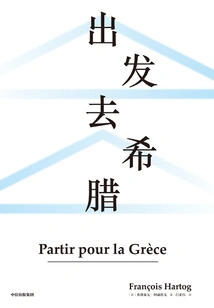
Depart for Greece
History出发去希腊
(france) François Ahtogo
The civilizational heritage of ancient Greece has long occupied the core position of European culture. As an interpretation object, it has been continuously shaped and reshaped in the long history of history. It has been selected as an important academic and ideological reference in different historical periods of Europe. From the Roman Empire, the Middle Ages, the Renaissance to after the French Revolution, how was the meaning of ancient Greece defined and interpreted in different historical periods? What role did it play in the process of establishing cultural and national identity in Europe? The author lists the imitation and learning of the ancient Greek political system and civilization by ancient Rome after its conquest of ancient Greece, introduces the "investigation", comparison and research of Greek civilization by European and American scholars from France, Germany, Italy, Britain, Romania and even the United States in different historical periods. It explores how Greek civilization became a representative of ancient thought and a basic reference for modern civilization. It is actually the reflection of the French intellectual elite on European culture. This book studies ancient Greece from the perspective of historical anthropology, affirming cultural diversity and comparability, thereby dispelling modern people's myths about ancient civilizations and Europe's sense of superiority about the origin of its own culture.
The civilizational heritage of ancient Greece has long occupied the core position of European culture. As an interpretation object, it has been continuously shaped and reshaped in the long history of history. It has been selected as an important academic and ideological reference in different historical periods of Europe. From the Roman Empire, the Middle Ages, the Renaissance to after the French Revolution, how was the meaning of ancient Greece defined and interpreted in different historical periods? What role did it play in the process of establishing cultural and national identity in Europe? The author lists the imitation and learning of the ancient Greek political system and civilization by ancient Rome after its conquest of ancient Greece, introduces the "investigation", comparison and research of Greek civilization by European and American scholars from France, Germany, Italy, Britain, Romania and even the United States in different historical periods. It explores how Greek civilization became a representative of ancient thought and a basic reference for modern civilization. It is actually the reflection of the French intellectual elite on European culture. This book studies ancient Greece from the perspective of historical anthropology, affirming cultural diversity and comparability, thereby dispelling modern people's myths about ancient civilizations and Europe's sense of superiority about the origin of its own culture.