Library
Browse and search novels
2 novels found
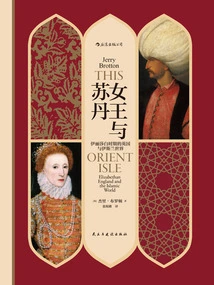
女王与苏丹:伊丽莎白时期的英国与伊斯兰世界
(english) Jerry Broton
In 1570, Queen Elizabeth I of England was excommunicated by the Pope. In order to get rid of being surrounded by mainland Catholic countries, England started a period of alliance with the Islamic forces fighting in the Mediterranean and Catholic Spain, and had in-depth cultural, economic and political exchanges with the Islamic world. It was a remarkable period, with England signing treaties with the Ottoman Empire, accepting ambassadors from the King of Morocco, and sending arms to Marrakech. By the late 1680s, hundreds of merchants, diplomats, sailors, craftsmen, and privateer captains were regularly traveling from Morocco to Persia. Among them was the resourceful merchant Anthony Jenkinson, who met Suleiman the Magnificent and Shah Tahmasp of Persia in the 1560s. The Norfolk merchant William Haban became the first ambassador to the Ottoman court in 1582, while the adventurer Antoninus Sherry remained at the court of Shah Abbas the Great for much of the 1600s. The news these people brought back about the Islamic world was of great interest to the British and was expressed in many great literary works, such as Marlowe's Tamburlaine and Shakespeare's Titus Andronicus and The Merchant of Venice. The creation of "Othello" is probably related to the visit of the Moroccan ambassador Anouli to Britain. This book demonstrates the extensive, often friendly, connections between Elizabethan England and the Islamic world. In today's era of globalization, this history of exchanges between heterogeneous cultures can still bring us great inspiration.
In 1570, Queen Elizabeth I of England was excommunicated by the Pope. In order to get rid of being surrounded by mainland Catholic countries, England started a period of alliance with the Islamic forces fighting in the Mediterranean and Catholic Spain, and had in-depth cultural, economic and political exchanges with the Islamic world. It was a remarkable period, with England signing treaties with the Ottoman Empire, accepting ambassadors from the King of Morocco, and sending arms to Marrakech. By the late 1680s, hundreds of merchants, diplomats, sailors, craftsmen, and privateer captains were regularly traveling from Morocco to Persia. Among them was the resourceful merchant Anthony Jenkinson, who met Suleiman the Magnificent and Shah Tahmasp of Persia in the 1560s. The Norfolk merchant William Haban became the first ambassador to the Ottoman court in 1582, while the adventurer Antoninus Sherry remained at the court of Shah Abbas the Great for much of the 1600s. The news these people brought back about the Islamic world was of great interest to the British and was expressed in many great literary works, such as Marlowe's Tamburlaine and Shakespeare's Titus Andronicus and The Merchant of Venice. The creation of "Othello" is probably related to the visit of the Moroccan ambassador Anouli to Britain. This book demonstrates the extensive, often friendly, connections between Elizabethan England and the Islamic world. In today's era of globalization, this history of exchanges between heterogeneous cultures can still bring us great inspiration.
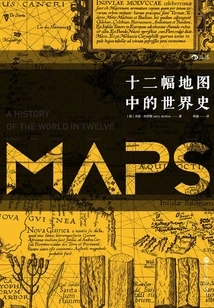
World History in Twelve Maps
History十二幅地图中的世界史
(english) Jerry Broton
This is not only a work that tells the history of the world through twelve maps, but also shows the development and evolution of maps from scratch to perfection. The twelve world maps selected in the book come from different historical stages and were created by cartographers from different countries and cultures. The author reveals to us that maps, far from being objective and true records, are influenced by the ideas and motives of the time and place. By interpreting the concepts and motivations behind maps, we can gain a glimpse into the fashion and spirit of the era in which the cartographer lived. In the author's interpretation, maps, as a tool for humans to understand the world, have become the prism of the trinity of "people-image-world", reflecting the historical and spiritual processes of mankind, and depicting an unprecedented three-dimensional picture of world history.
This is not only a work that tells the history of the world through twelve maps, but also shows the development and evolution of maps from scratch to perfection. The twelve world maps selected in the book come from different historical stages and were created by cartographers from different countries and cultures. The author reveals to us that maps, far from being objective and true records, are influenced by the ideas and motives of the time and place. By interpreting the concepts and motivations behind maps, we can gain a glimpse into the fashion and spirit of the era in which the cartographer lived. In the author's interpretation, maps, as a tool for humans to understand the world, have become the prism of the trinity of "people-image-world", reflecting the historical and spiritual processes of mankind, and depicting an unprecedented three-dimensional picture of world history.