Library
Browse and search books
1 novel found
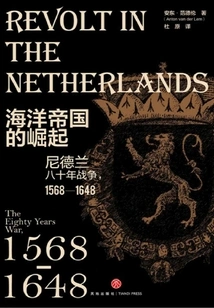
海洋帝国的崛起:尼德兰八十年战争1568—1648
(dutch) Anton Van Der Leen
At the throne handover ceremony in 1555, Charles V, Emperor of the Holy Roman Empire, Philip II, the future King of Spain, and William, Prince of Orange, the founding father of the Dutch Republic, these figures who stirred up the storm for nearly a hundred years gathered together. Surrounding them are Queen Bloody Mary and Elizabeth I of England, the beheaded Queen Mary Stuart of Scotland, and many princes of Germany and France... "Netherlands" means "Lowlands", which roughly includes today's Netherlands, Belgium, Luxembourg and northeastern France. From the 11th to the 14th century, the Netherlands gradually formed numerous scattered principalities, counties and bishoprics, which were gradually unified under the rule of the Burgundian and Habsburg families. In 1568, seventeen provinces of the Netherlands rebelled against the rule of the Spanish Empire. In 1581, the seven northern provinces of the Netherlands deposed Philip II, and then formally established the Dutch Republic in 1588. Finally, in 1648, they took advantage of the Thirty Years' War to become completely independent from Spanish rule - thus the world's first capitalist country was born. Subsequently, the newly born Dutch Republic rose rapidly and became the economic center of Europe in just 50 years; the prosperous Amsterdam established the first modern bank and stock exchange, established a modern financial system, and became the world's financial center. At the same time, the developed shipbuilding industry supported the Netherlands' active overseas trade. In the 16th and 17th centuries, the Netherlands created the "Tulip Myth" on the Atlantic and Indian Oceans and became the "first maritime power" at that time. From a small marginal country suffering from Spanish oppression to a "sea coachman" traveling across the ocean, developed commercial capital and rapid expansion of sea power jointly wrote the history of the rise of the Dutch maritime empire. The rise and fall of this period of history is worth pondering. This book introduces the history of the Eighty Years' War in the Netherlands in a popular way, vividly describing the main historical figures at that time, the decisive battles, the main turning points of the war, and the international situation around the Netherlands. It peels off the cocoons and shows readers the origin, evolution and results of the Eighty Years' War in the Netherlands.
At the throne handover ceremony in 1555, Charles V, Emperor of the Holy Roman Empire, Philip II, the future King of Spain, and William, Prince of Orange, the founding father of the Dutch Republic, these figures who stirred up the storm for nearly a hundred years gathered together. Surrounding them are Queen Bloody Mary and Elizabeth I of England, the beheaded Queen Mary Stuart of Scotland, and many princes of Germany and France... "Netherlands" means "Lowlands", which roughly includes today's Netherlands, Belgium, Luxembourg and northeastern France. From the 11th to the 14th century, the Netherlands gradually formed numerous scattered principalities, counties and bishoprics, which were gradually unified under the rule of the Burgundian and Habsburg families. In 1568, seventeen provinces of the Netherlands rebelled against the rule of the Spanish Empire. In 1581, the seven northern provinces of the Netherlands deposed Philip II, and then formally established the Dutch Republic in 1588. Finally, in 1648, they took advantage of the Thirty Years' War to become completely independent from Spanish rule - thus the world's first capitalist country was born. Subsequently, the newly born Dutch Republic rose rapidly and became the economic center of Europe in just 50 years; the prosperous Amsterdam established the first modern bank and stock exchange, established a modern financial system, and became the world's financial center. At the same time, the developed shipbuilding industry supported the Netherlands' active overseas trade. In the 16th and 17th centuries, the Netherlands created the "Tulip Myth" on the Atlantic and Indian Oceans and became the "first maritime power" at that time. From a small marginal country suffering from Spanish oppression to a "sea coachman" traveling across the ocean, developed commercial capital and rapid expansion of sea power jointly wrote the history of the rise of the Dutch maritime empire. The rise and fall of this period of history is worth pondering. This book introduces the history of the Eighty Years' War in the Netherlands in a popular way, vividly describing the main historical figures at that time, the decisive battles, the main turning points of the war, and the international situation around the Netherlands. It peels off the cocoons and shows readers the origin, evolution and results of the Eighty Years' War in the Netherlands.