Library
Browse and search books
6 novels found
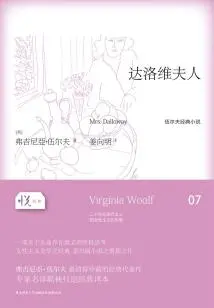
Mrs. Dalloway
General Fiction达洛维夫人
(british) Virginia Woolf
The story revolves around Mrs. Dalloway planning a high society party. The reader's perspective travels across time and intersperses between the protagonist's thinking and reality. Through the description of the details of Mrs. Dalloway's day, she shapes her life experience and the entire British society before and after World War I.
The story revolves around Mrs. Dalloway planning a high society party. The reader's perspective travels across time and intersperses between the protagonist's thinking and reality. Through the description of the details of Mrs. Dalloway's day, she shapes her life experience and the entire British society before and after World War I.
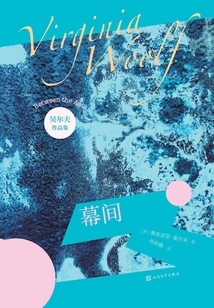
Intermission
General Fiction幕间
(british) Virginia Woolf
"Interlude", written in 1942, was Virginia Woolf's last work before her death. When the novel progresses to about the first fifth of the novel, the writer tells Poyntz's maid who does menial work to take a breather by the cool water lily pond. Ten years ago, a noble lady drowned there. It was a patch of dark green water in which countless fish "swimmed in a self-centered world, shining brightly."
"Interlude", written in 1942, was Virginia Woolf's last work before her death. When the novel progresses to about the first fifth of the novel, the writer tells Poyntz's maid who does menial work to take a breather by the cool water lily pond. Ten years ago, a noble lady drowned there. It was a patch of dark green water in which countless fish "swimmed in a self-centered world, shining brightly."

Years
General Fiction岁月
(british) Virginia Woolf
"The Years" is Woolf's eighth novel and her penultimate novel. In fact, she committed suicide by drowning before she had finished revising her last novel, Intermission. Therefore, "The Years", a work that she repeatedly revised, has an extraordinary status in her novel creation; it not only reflects Woolf's later maturity in novel concepts, but also one of her successful practices of continuous innovation and breakthrough in novel writing.
"The Years" is Woolf's eighth novel and her penultimate novel. In fact, she committed suicide by drowning before she had finished revising her last novel, Intermission. Therefore, "The Years", a work that she repeatedly revised, has an extraordinary status in her novel creation; it not only reflects Woolf's later maturity in novel concepts, but also one of her successful practices of continuous innovation and breakthrough in novel writing.
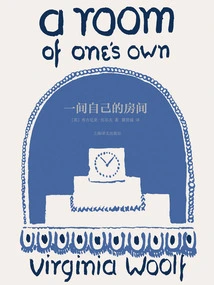
一间自己的房间(伍尔夫文集)
(british) Virginia Woolf
"You must have money and a room of your own" - Woolf's immortal declaration to inspire women's spiritual awakening. In October 1928, Woolf gave two lectures on "Women and Fiction" at two women's colleges of Cambridge University. The next year, she integrated the speech into the article "Women and Novel" and published it. Later, she significantly revised and expanded it, and finally wrote the masterpiece "A Room of One's Own". This long article is delicate and funny, full of imagination, and sparkling with wisdom everywhere. It tells about the plight of women's survival in a male-dominated society, the historical prejudice against women, the impact of women's poverty on creation, and other issues. It encourages women to strive for independent economic status, actively achieve themselves, and develop their lives. This book contains another famous prose piece by Woolf, "Mr Bennett and Mrs Brown".
"You must have money and a room of your own" - Woolf's immortal declaration to inspire women's spiritual awakening. In October 1928, Woolf gave two lectures on "Women and Fiction" at two women's colleges of Cambridge University. The next year, she integrated the speech into the article "Women and Novel" and published it. Later, she significantly revised and expanded it, and finally wrote the masterpiece "A Room of One's Own". This long article is delicate and funny, full of imagination, and sparkling with wisdom everywhere. It tells about the plight of women's survival in a male-dominated society, the historical prejudice against women, the impact of women's poverty on creation, and other issues. It encourages women to strive for independent economic status, actively achieve themselves, and develop their lives. This book contains another famous prose piece by Woolf, "Mr Bennett and Mrs Brown".
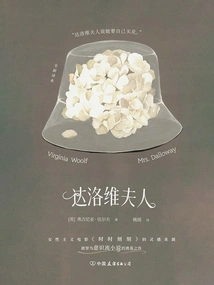
Mrs. Dalloway
General Fiction达洛维夫人
(british) Virginia Woolf
To love, to live, to "buy flowers myself." The story focuses on one day in the life of the heroine Mrs. Dalloway. Throughout the day, Mrs. Dalloway made various preparations for the dinner party to be held at home. And this was just an ordinary day in her ordinary life, passed peacefully, as usual. Mrs. Dalloway played her part, refusing to comment but still thinking. She knew that the essence of life was not joy, so she wanted to create joy for others... In our lives, there are many Mrs. Dalloways walking past us. Sometimes it's even our self, but we don't recognize it...
To love, to live, to "buy flowers myself." The story focuses on one day in the life of the heroine Mrs. Dalloway. Throughout the day, Mrs. Dalloway made various preparations for the dinner party to be held at home. And this was just an ordinary day in her ordinary life, passed peacefully, as usual. Mrs. Dalloway played her part, refusing to comment but still thinking. She knew that the essence of life was not joy, so she wanted to create joy for others... In our lives, there are many Mrs. Dalloways walking past us. Sometimes it's even our self, but we don't recognize it...
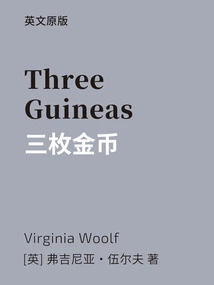
Three Guineas Three Gold Coins (english Version)
General FictionThree Guineas 三枚金币(英文版)
(british) Virginia Woolf
"Three Coins" is Woolf's important work. The book is in the style of an epistolary novel and revolves around a letter from a lawyer. Faced with the question "How to stop the war", Woolf borrowed three gold coins to give the answer: used to rebuild women's colleges, promote female employment, and maintain peace and equality. She profoundly analyzes the oppression of women in patriarchal society and explores the relationship between women and war.
"Three Coins" is Woolf's important work. The book is in the style of an epistolary novel and revolves around a letter from a lawyer. Faced with the question "How to stop the war", Woolf borrowed three gold coins to give the answer: used to rebuild women's colleges, promote female employment, and maintain peace and equality. She profoundly analyzes the oppression of women in patriarchal society and explores the relationship between women and war.