Library
Browse and search books
8 novels found
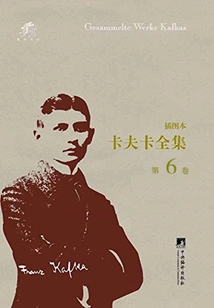
The Complete Works of Kafka (volume 6)
Literature卡夫卡全集(第6卷)
(austrian) Kafka, Edited By Ye Tingfang
This book contains Kafka's letters. Kafka, the most important German writer in the early 20th century, is regarded as the founder of modern literature along with Joyce and Brewster.
This book contains Kafka's letters. Kafka, the most important German writer in the early 20th century, is regarded as the founder of modern literature along with Joyce and Brewster.
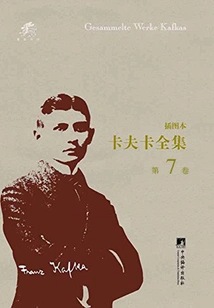
The Complete Works of Kafka (volume 7)
Literature卡夫卡全集(第7卷)
(austrian) Kafka, Edited By Ye Tingfang
This book collects Kafka's letters and family letters. Kafka, the most important German writer in the early 20th century, is regarded as the founder of modern literature along with Joyce and Brewster.
This book collects Kafka's letters and family letters. Kafka, the most important German writer in the early 20th century, is regarded as the founder of modern literature along with Joyce and Brewster.
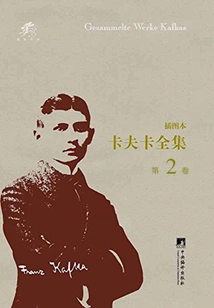
The Complete Works of Kafka (volume 2)
Literature卡夫卡全集(第2卷)
(austrian) Kafka, Edited By Ye Tingfang
This book includes Kafka's novels "The Missing" and "The Proceedings". Most of the subjects described in Kafka's works are unknown people at the bottom. They are deeply squeezed by the imperial bureaucracy, and their hearts are full of loneliness, fear, confusion and uneasiness. The plots are often fragmented, which reflect the social contradictions and the situation of all living beings in the late period of the empire, becoming a model work of that era.
This book includes Kafka's novels "The Missing" and "The Proceedings". Most of the subjects described in Kafka's works are unknown people at the bottom. They are deeply squeezed by the imperial bureaucracy, and their hearts are full of loneliness, fear, confusion and uneasiness. The plots are often fragmented, which reflect the social contradictions and the situation of all living beings in the late period of the empire, becoming a model work of that era.
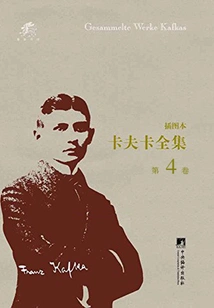
The Complete Works of Kafka (volume 4)
Literature卡夫卡全集(第4卷)
(austrian) Kafka, Edited By Ye Tingfang
This book contains Kafka's essays and conversations. Kafka, the most important German writer in the early 20th century, is regarded as the founder of modern literature along with Joyce and Brewster.
This book contains Kafka's essays and conversations. Kafka, the most important German writer in the early 20th century, is regarded as the founder of modern literature along with Joyce and Brewster.
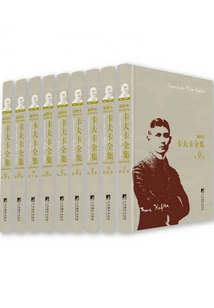
Complete Works of Kafka
Literature卡夫卡全集
(austrian) Kafka, Edited By Ye Tingfang
"The Complete Works of Kafka" consists of 9 volumes and is edited by the famous scholar and German translator Mr. Ye Tingfang. The creative part of the book is mainly based on the version compiled by Max Brod, Kafka's friend during his lifetime, with slight adjustments; the letters have been greatly supplemented based on the materials discovered in recent years. The first volume is short stories, rewritten based on "Kafka's Short Stories" by Paul Rabe and "A Country Marriage" by Max Brod. The second volume contains two novels, "The Missing" and "The Proceedings." The third volume contains the novel "The Castle". The fourth volume contains essays, fragments and conversations. The essays include eight octavo notebooks left by Kafka, which are of precious data value. The fifth volume is Kafka's diary, with several of the author's travel diaries attached at the end. The sixth and seventh volumes are collections of letters. The sixth volume contains all the letters to friends between 1900 and 1921, except love letters and letters from home. The seventh volume contains letters to friends from 1922 to 1924, and the rest are letters from home. At the end is Kafka's famous long letter "To Father" which he wrote in 1919 and finally sent. The eighth volume contains love letters. Kafka wrote a large number of love letters, which is rare among modern writers. They account for about half of all Kafka's writings, and the love letters he wrote to his two passionate lovers accounted for more than half of them. This volume mainly contains Kafka's love letters to Phyllis Powell, to whom he was twice engaged and broke off his engagement twice. Part of the ninth volume is still Kafka's love letter to Phyllis Powell, and the other part is a love letter to the married woman Milena.
"The Complete Works of Kafka" consists of 9 volumes and is edited by the famous scholar and German translator Mr. Ye Tingfang. The creative part of the book is mainly based on the version compiled by Max Brod, Kafka's friend during his lifetime, with slight adjustments; the letters have been greatly supplemented based on the materials discovered in recent years. The first volume is short stories, rewritten based on "Kafka's Short Stories" by Paul Rabe and "A Country Marriage" by Max Brod. The second volume contains two novels, "The Missing" and "The Proceedings." The third volume contains the novel "The Castle". The fourth volume contains essays, fragments and conversations. The essays include eight octavo notebooks left by Kafka, which are of precious data value. The fifth volume is Kafka's diary, with several of the author's travel diaries attached at the end. The sixth and seventh volumes are collections of letters. The sixth volume contains all the letters to friends between 1900 and 1921, except love letters and letters from home. The seventh volume contains letters to friends from 1922 to 1924, and the rest are letters from home. At the end is Kafka's famous long letter "To Father" which he wrote in 1919 and finally sent. The eighth volume contains love letters. Kafka wrote a large number of love letters, which is rare among modern writers. They account for about half of all Kafka's writings, and the love letters he wrote to his two passionate lovers accounted for more than half of them. This volume mainly contains Kafka's love letters to Phyllis Powell, to whom he was twice engaged and broke off his engagement twice. Part of the ninth volume is still Kafka's love letter to Phyllis Powell, and the other part is a love letter to the married woman Milena.
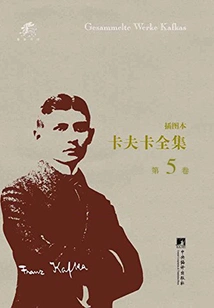
The Complete Works of Kafka (volume 5)
Literature卡夫卡全集(第5卷)
(austrian) Kafka, Edited By Ye Tingfang
This book contains Kafka's diary. Kafka, the most important German writer in the early 20th century, is regarded as the founder of modern literature along with Joyce and Brewster.
This book contains Kafka's diary. Kafka, the most important German writer in the early 20th century, is regarded as the founder of modern literature along with Joyce and Brewster.
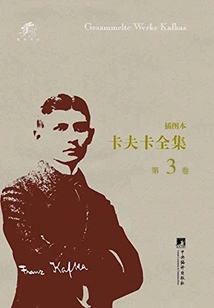
The Complete Works of Kafka (volume 3)
Literature卡夫卡全集(第3卷)
(austrian) Kafka, Edited By Ye Tingfang
This book includes Kafka's novel "The Castle". Most of the subjects described in Kafka's works are unknown people at the bottom. They are deeply squeezed by the imperial bureaucracy, and their hearts are full of loneliness, fear, confusion and uneasiness. The plots are often fragmented, which reflect the social contradictions and the situation of all living beings in the late period of the empire, becoming a model work of that era.
This book includes Kafka's novel "The Castle". Most of the subjects described in Kafka's works are unknown people at the bottom. They are deeply squeezed by the imperial bureaucracy, and their hearts are full of loneliness, fear, confusion and uneasiness. The plots are often fragmented, which reflect the social contradictions and the situation of all living beings in the late period of the empire, becoming a model work of that era.
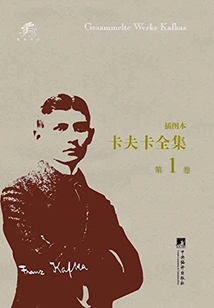
The Complete Works of Kafka (volume 1)
Literature卡夫卡全集(第1卷)
(austrian) Kafka, Edited By Ye Tingfang
This book is a collection of Kafka's short stories. Most of the subjects described in Kafka's works are unknown people at the bottom. They are deeply squeezed by the imperial bureaucracy, and their hearts are full of loneliness, fear, confusion and uneasiness. The plots are often fragmented, which reflect the social contradictions and the situation of all living beings in the late period of the empire, becoming a model work of that era.
This book is a collection of Kafka's short stories. Most of the subjects described in Kafka's works are unknown people at the bottom. They are deeply squeezed by the imperial bureaucracy, and their hearts are full of loneliness, fear, confusion and uneasiness. The plots are often fragmented, which reflect the social contradictions and the situation of all living beings in the late period of the empire, becoming a model work of that era.