Library
Browse and search novels
1 novel found
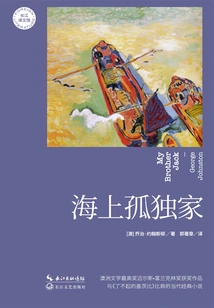
The Lonely Home at Sea (yangtze River Translation Museum)
General Fiction海上孤独家(长江译文馆)
(australia) George Johnston
"Alone at Sea" (also translated as "My Brother Jack") is George Johnston's masterpiece. Shortly after it was first published in 1964, it won the Miles Franklin Award, Australia's highest literary award. With its grand length, meticulous observation, and subtle brushstrokes, the work tells the story of how "I", a Melbourne boy born on the eve of World War I, changed from a sensitive and thoughtful printmaker to a well-known war correspondent, and how my brother Jack, who is humorous, perseverant, and full of sense of justice, maintained an innocent heart amidst the difficulties of the world. The novel shows the history of Australia from the 1920s to the 1940s, recreating the dramatic social changes and personal spiritual pursuits in the context of war. The work is highly autobiographical and realistic, showing issues such as post-war psychological trauma, employment placement for wounded soldiers, the Great Depression, subversion and turbulence of social concepts, etc. It is of great significance to the discussion of contemporary Australian nationality. The Melbourne Age said it "fascinatingly" depicts "Australia and Australians in their own minds."
"Alone at Sea" (also translated as "My Brother Jack") is George Johnston's masterpiece. Shortly after it was first published in 1964, it won the Miles Franklin Award, Australia's highest literary award. With its grand length, meticulous observation, and subtle brushstrokes, the work tells the story of how "I", a Melbourne boy born on the eve of World War I, changed from a sensitive and thoughtful printmaker to a well-known war correspondent, and how my brother Jack, who is humorous, perseverant, and full of sense of justice, maintained an innocent heart amidst the difficulties of the world. The novel shows the history of Australia from the 1920s to the 1940s, recreating the dramatic social changes and personal spiritual pursuits in the context of war. The work is highly autobiographical and realistic, showing issues such as post-war psychological trauma, employment placement for wounded soldiers, the Great Depression, subversion and turbulence of social concepts, etc. It is of great significance to the discussion of contemporary Australian nationality. The Melbourne Age said it "fascinatingly" depicts "Australia and Australians in their own minds."