Library
Browse and search books
4 novels found
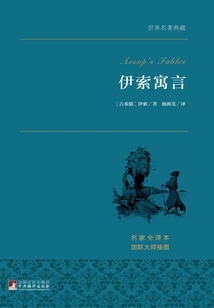
Aesop's Fables
General Fiction伊索寓言
(ancient Greece) Aesop
This book was produced in the classical period of Greece and was considered to be the crystallization of human wisdom for a long time. Between the 8th and 6th centuries BC, the earliest class society, slave society, was established in Greece. Ancient Greek literature was a product of slave society. The ideals and aspirations, lives and struggles of slaves can generally only be reflected indirectly and tortuously through the literature of slave owners. At the same time, many small fables with animal life as the main content circulated among Greek folk. The story is mainly a summary of the struggles and life lessons of the bullied lower-class civilians and slaves. The fable attempts to express the social relations at that time through the relationship between animals, mainly reflecting the unequal relationship between the oppressor and the oppressed. To some extent, it promotes a democratic idea.
This book was produced in the classical period of Greece and was considered to be the crystallization of human wisdom for a long time. Between the 8th and 6th centuries BC, the earliest class society, slave society, was established in Greece. Ancient Greek literature was a product of slave society. The ideals and aspirations, lives and struggles of slaves can generally only be reflected indirectly and tortuously through the literature of slave owners. At the same time, many small fables with animal life as the main content circulated among Greek folk. The story is mainly a summary of the struggles and life lessons of the bullied lower-class civilians and slaves. The fable attempts to express the social relations at that time through the relationship between animals, mainly reflecting the unequal relationship between the oppressor and the oppressed. To some extent, it promotes a democratic idea.
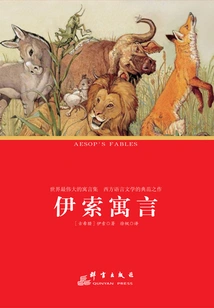
Aesop's Fables
Literature伊索寓言
(ancient Greece) Aesop
"Aesop's Fables" is composed of thought-provoking fables and is an ancient and precious collection of fables. It not only absorbs the essence of Western folk literature, but also brings together the wisdom of ordinary people. The short stories in the book have ups and downs, endless aftertaste, contain profound truths, exude the light of wisdom, and profoundly influence the outlook on life and values of generations of readers.
"Aesop's Fables" is composed of thought-provoking fables and is an ancient and precious collection of fables. It not only absorbs the essence of Western folk literature, but also brings together the wisdom of ordinary people. The short stories in the book have ups and downs, endless aftertaste, contain profound truths, exude the light of wisdom, and profoundly influence the outlook on life and values of generations of readers.

Aesop's Fables
Literature伊索寓言
(ancient Greece) Aesop
"Aesop's Fables" went through a complex and long writing process in ancient times. First, it was an oral creation, summarizing people's life experience and summarizing people's life wisdom. Later, oral literature gradually became written literature. Some of the stories in the book appeared long before Aesop lived. The collection was widely circulated in ancient times and influenced the creations of many subsequent generations. The purpose of fables is to vividly reflect the enlightenment and lessons from all aspects of people's lives.
"Aesop's Fables" went through a complex and long writing process in ancient times. First, it was an oral creation, summarizing people's life experience and summarizing people's life wisdom. Later, oral literature gradually became written literature. Some of the stories in the book appeared long before Aesop lived. The collection was widely circulated in ancient times and influenced the creations of many subsequent generations. The purpose of fables is to vividly reflect the enlightenment and lessons from all aspects of people's lives.

伊索寓言(汉译世界文学名著丛书)
(ancient Greece) Aesop
"Selected Aesop's Fables" contains more than two hundred of the most famous fables in "Aesop's Fables". "Aesop's Fables" is said to be a collection of fables written by Aesop, an ancient Greek slave who was freed in the sixth century BC. Most of the contents are related to animals. The stories told in the book are short and concise, and the images depicted are vivid and vivid. Each story contains philosophy, either exposing and criticizing social contradictions, expressing understanding of life, or summarizing daily life experience. This collection of fables expresses the social relations at that time by describing the relationship between animals, mainly the unequal relationship between the oppressor and the oppressed. The author of the fable condemned the oppression of people in society at that time and called on the bullied people to unite and fight against the evildoers. "Aesop's Fables" had a significant impact on the creation of European fables in later generations. It is not only a model work of Western fable literature, but also one of the most widely circulated classic works in the world.
"Selected Aesop's Fables" contains more than two hundred of the most famous fables in "Aesop's Fables". "Aesop's Fables" is said to be a collection of fables written by Aesop, an ancient Greek slave who was freed in the sixth century BC. Most of the contents are related to animals. The stories told in the book are short and concise, and the images depicted are vivid and vivid. Each story contains philosophy, either exposing and criticizing social contradictions, expressing understanding of life, or summarizing daily life experience. This collection of fables expresses the social relations at that time by describing the relationship between animals, mainly the unequal relationship between the oppressor and the oppressed. The author of the fable condemned the oppression of people in society at that time and called on the bullied people to unite and fight against the evildoers. "Aesop's Fables" had a significant impact on the creation of European fables in later generations. It is not only a model work of Western fable literature, but also one of the most widely circulated classic works in the world.